

Ivy is a common sight on Pontypool's hillsides, running over garden walls, old outbuildings and the trees that rise behind the houses. We cut it back, remove it from the structure beneath and clear the cuttings away, leaving you with a boundary you can actually see and look after.
Pontypool has older terraces and newer homes, often on sloping ground next to wooded land. We also work in Griffithstown, Blaenavon, Trevethin and Cwmbran, so if you are on the hill above the park or down in the valley, we are happy to take a look.
Many Pontypool gardens are terraced into the hillside, with steps, tall walls and narrow paths. That affects how ivy grows, because the walls give it a ladder, and it affects how we work. We plan the route first, then cut the stems at the base and carry the growth out carefully. Once the wall is bare, you can judge for yourself whether it needs any attention.
Where the ground is steep, we do not take risks to save a few minutes. If a section is unsafe to reach, we will tell you, and suggest another way to deal with it. A clear explanation at the start avoids disappointment later, particularly on a garden that is hard to move around in. On a Pontypool hillside, that honesty is part of doing the job properly.
Older Pontypool homes often have stone or brick walls where ivy has settled into the joints for a long time. Newer houses tend to have fences, rendered walls and garages, where the problem is more about weight, moisture and hidden rot. We approach each differently and avoid pulling at anything weak. Neither is a reason to leave the ivy where it is.
On rendered or painted surfaces, ivy roots can leave marks or lift flaking finish as they come away. We tell you that in advance. On timber, we remove the growth gently and check the fence for soft spots. Birds nesting in the ivy are always checked for before we start cutting. If a nest is found, we step back and agree when to return.
With wooded slopes close to so many Pontypool gardens, ivy can return from neighbouring trees and banks. Cutting it back and clearing the lower growth keeps it in check, and a quick look along the wall base each season will show you when new shoots appear. Small regrowth is much easier to manage than a whole new covering, so it pays to look.
A few jobs we have completed. We also work in and around Pontypool.
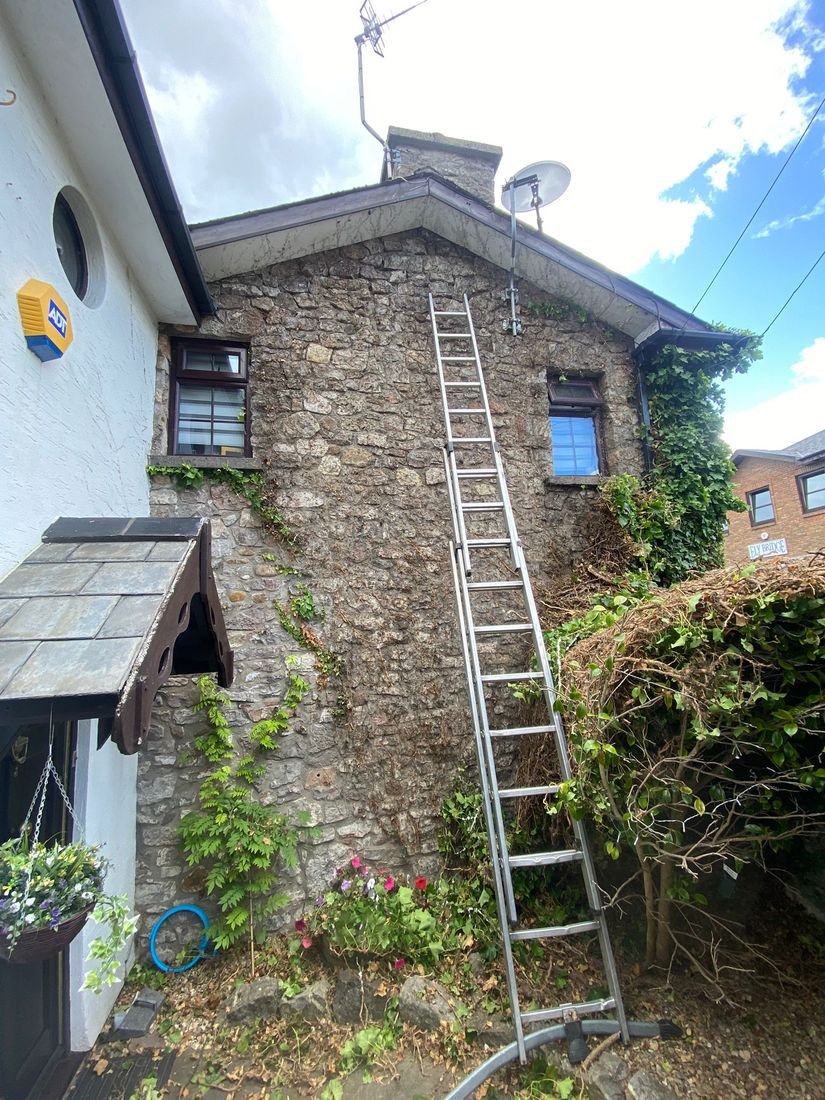
Ivy RemovalIvy being cut back from the stone gable of a cottage in Cardiff, with a long ladder up the wall beside the windows.
See the project →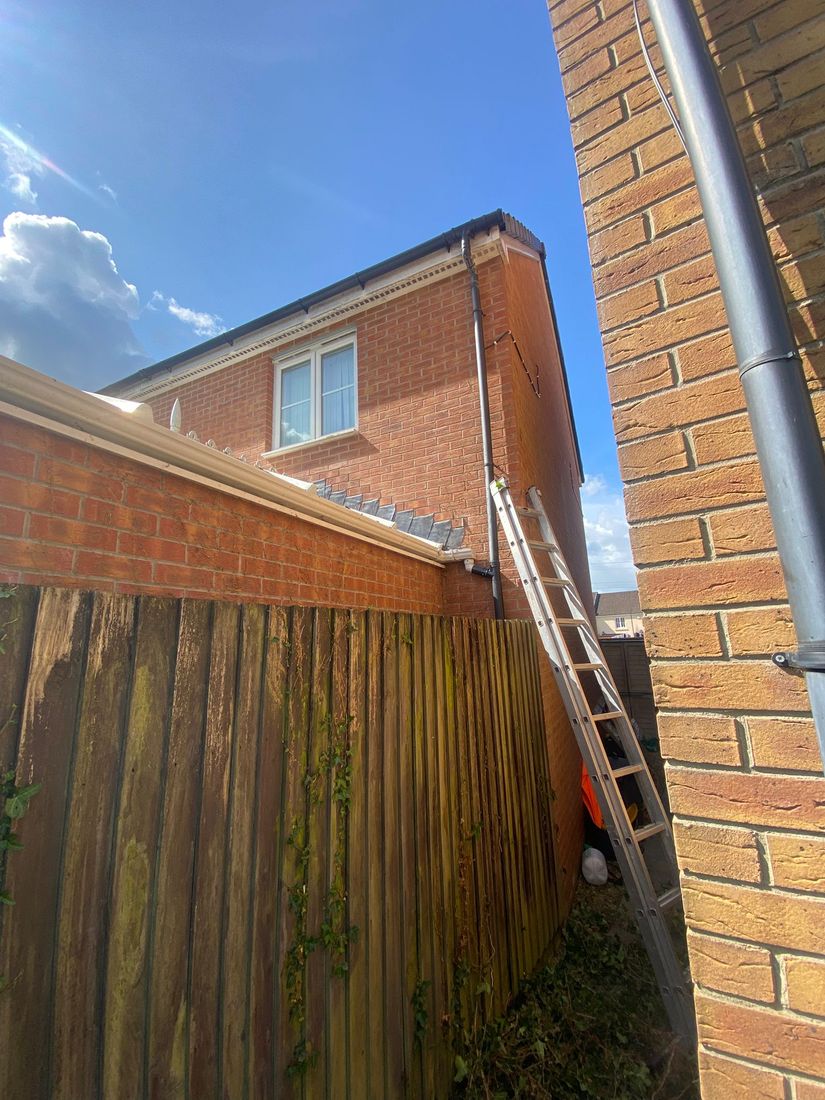 Ivy Removal
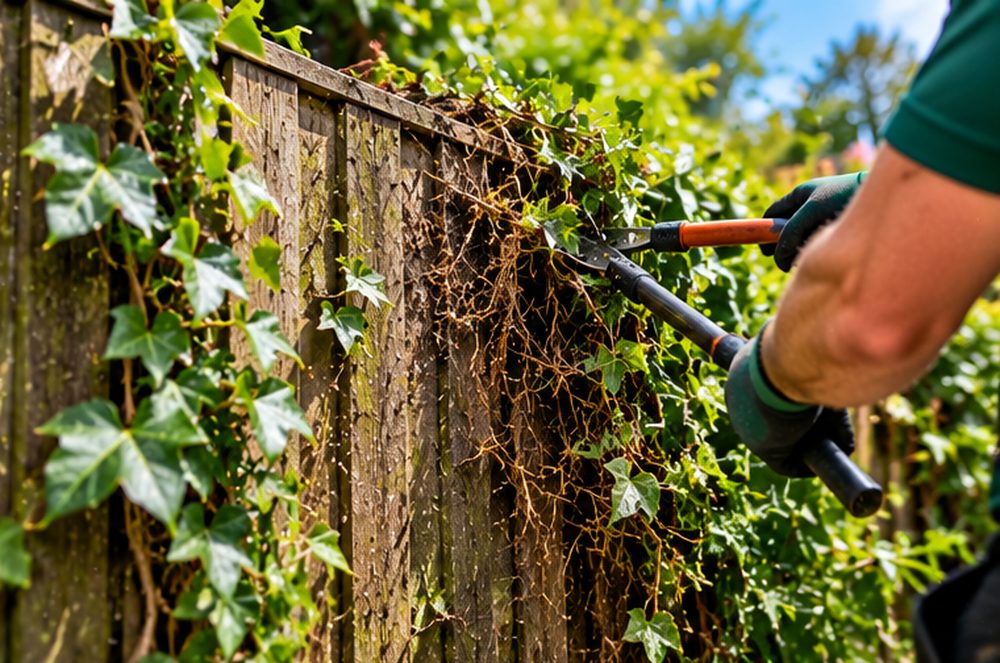
We cleared ivy from a close-boarded garden fence and the side of a brick house in Swansea, working from a ladder.
See the project →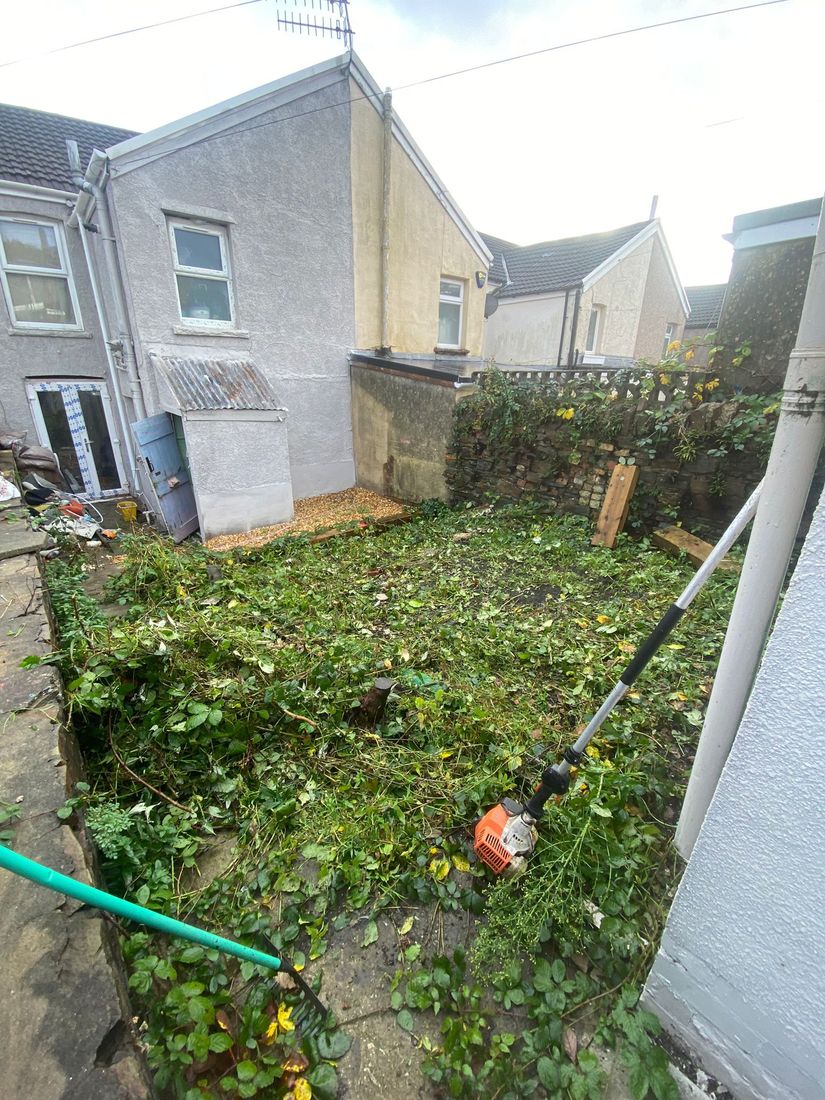 Garden Clearance
A small terraced back garden in Pontypool cleared of weeds and cuttings, leaving bare, levelled dark soil against the stone wall.
See the project →We work across South Wales. Pick your town to see how ivy removal works locally.
Ivy comes off brickwork most cleanly when it is cut at the base and left to die back first, rather than ripped away while still alive.
Read the guide →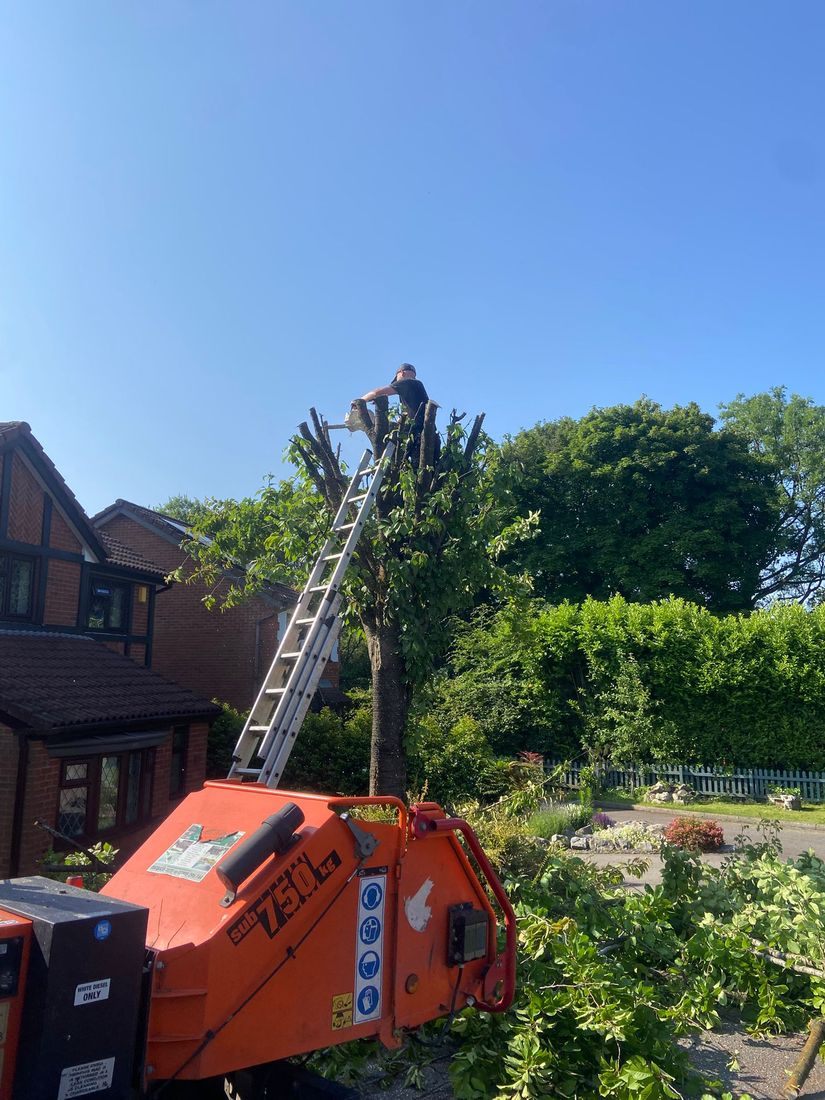
Tree surgery is priced job by job rather than from a fixed list, so this guide explains what moves the cost up or down and how to get a firm figure.
Read the guide →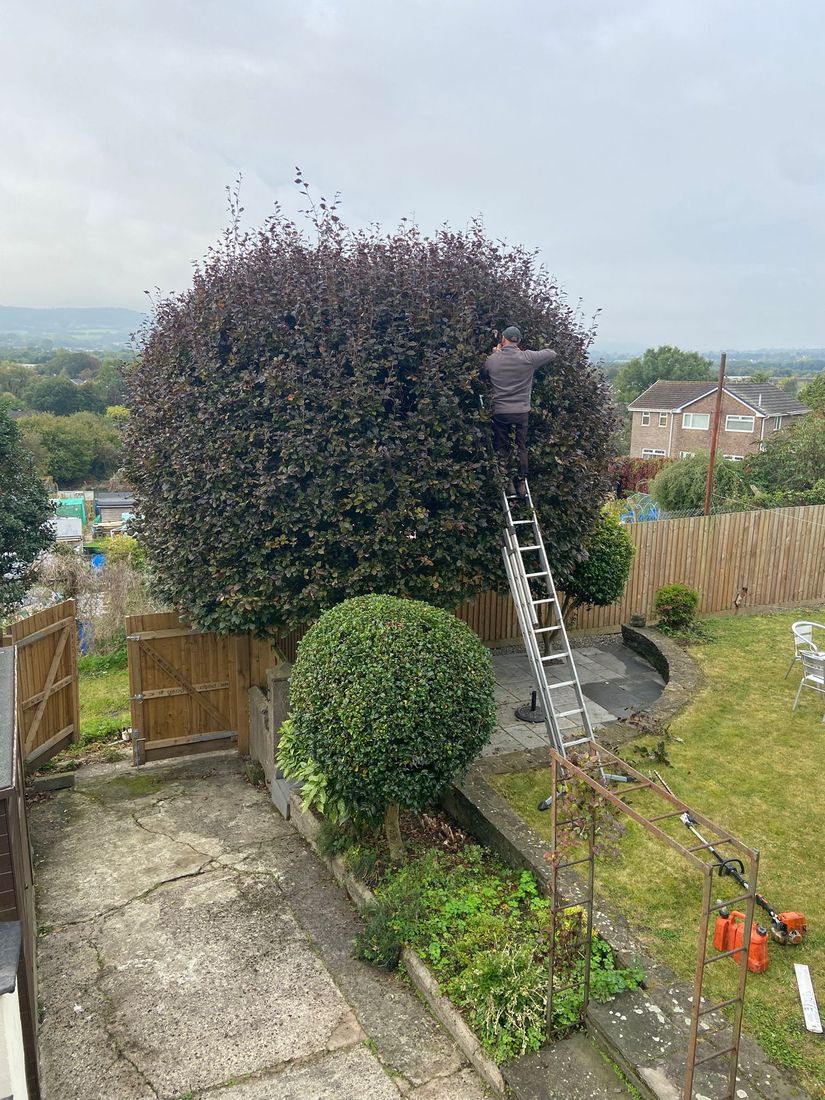
There is no single perfect month for every tree, but winter suits many species, and this guide shows how timing, nesting birds and weather affect the choice.
Read the guide →Usually, yes. We look at the steps, the height and the access, and then work in sections. If part of the wall cannot be reached safely, we will say so rather than take a risk. We would rather agree a safe plan than hurry.
It can. The roots grip hard, and when they come away they may take loose or flaking render with them. We will look at the surface first and tell you what to expect. Painted finishes are the most likely to suffer.
You cannot stop it completely. Clearing the lower growth and checking the base of walls and fences each season helps, because small new shoots are easy to pull off before they take hold. Woodland on the doorstep means a little regular attention is the realistic answer.
Tell us what needs doing and where. We will come back to you, or call 07766 919630 if it is urgent.