There is no single perfect month for every tree, but winter suits many species, and this guide shows how timing, nesting birds and weather affect the choice.
People often ask for the one right month to prune, but it varies with the species and the reason for the work. Some trees bleed sap if cut at the wrong moment, some fruit trees want pruning at particular times to keep them productive, and some are better left alone for a season. The sensible starting point is to ask what you want to achieve, then pick the time of year that suits that aim and the tree. Weather matters too. In South Wales we can have long wet spells, strong coastal winds and sudden cold snaps, and these affect when work is practical and safe as much as when it is ideal for the tree.
For most deciduous trees, the dormant months from late autumn to late winter are a good time to prune. With the leaves gone, the structure of the tree is easy to see, so cuts can be placed accurately. The tree is not actively growing, which reduces stress, and there are no nesting birds to disturb. In South Wales a mild, wet winter does mean choosing dry, calm days, because wet ground and strong wind make work harder and less safe. Late winter, just before buds swell, is a popular choice because cuts then begin to seal as growth restarts.
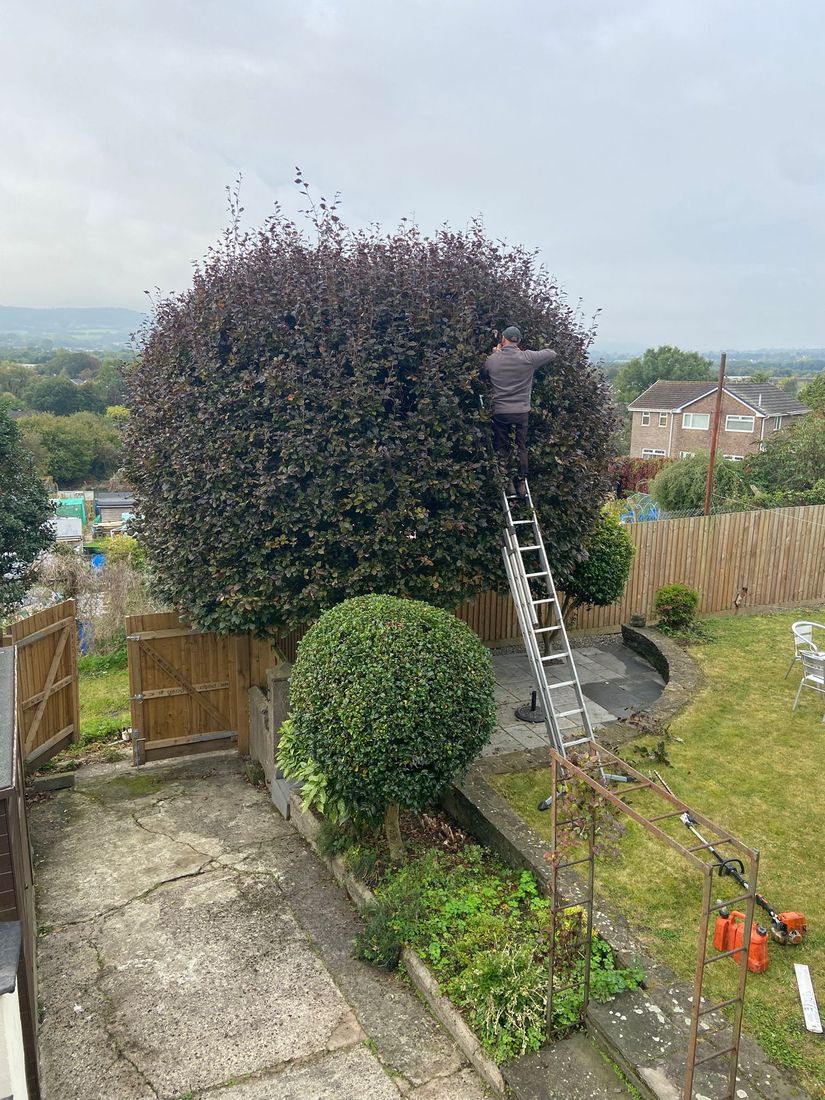
Spring and summer are when birds nest in trees and hedges, and wild birds, their nests and eggs are protected by law. We take care to check for nests before cutting and will hold off work where a nest is in use. Summer pruning does have its place, for example to lighten a dense crown or restrain vigorous growth, and some trees recover well from it. It simply needs more care and a look for wildlife first.
Fruit trees have their own rhythm. Apples and pears are usually pruned in the dormant season, while plums and cherries are often better cut in drier, warmer weather to reduce the risk of disease entering the cuts. Flowering ornamentals are better pruned soon after they bloom, otherwise you can remove next year's flowers. If you are unsure what you have, tell us the tree and we will advise on the most suitable time rather than guessing.
Light pruning of small branches within easy reach from the ground, using clean, sharp hand tools, is something many gardeners manage well. Anything that needs a ladder, a chainsaw, climbing or work near a roof or cables should be left to a professional, because falls and kickback cause serious injuries. Large, heavy or tangled limbs can also drop unpredictably, and a poor cut can damage the tree for years afterwards. If in doubt, ask someone who can judge the job properly before any cutting begins.
Before you prune, check whether the tree is protected. Trees can be protected by a Tree Preservation Order or by being in a conservation area, and the local council is the place to ask. Some work needs permission even when it is only pruning. If you would like us to look at your trees and suggest when to prune them, we offer a free quotation after seeing the job. It also helps to book ahead for the busy winter pruning period, so the job is done at the right moment rather than squeezed in late.
We will visit, tell you honestly what is needed and give you a free, no-obligation quotation.
Not really, but the reason matters. Heavy pruning in late spring can clash with nesting birds and new growth, so we usually suggest waiting. Removing dead or dangerous branches can be done at almost any time, as long as we check for nests first.
Autumn can suit some trees, but cuts made when fungal spores are plentiful and trees are slowing down can heal poorly on certain species. Late winter is often kinder. Tell us the species and we will say whether autumn is sensible or whether to wait.
It rarely kills a healthy tree outright, but poor timing can weaken it, encourage disease, cut off flowers or fruit, or cause heavy sap loss. Getting the timing and the cut right helps the tree recover quickly and keep a good shape.
Sometimes. Trees can be protected by a Tree Preservation Order or by being in a conservation area, and the local council can tell you. Check before cutting, because working on a protected tree without consent can lead to serious trouble. We are happy to explain what to ask.
Tall conifers can often be reduced safely, but only back to living green growth, because most will never regrow from bare brown wood.
Read the guide →Regular pruning keeps trees safe, balanced and healthy, brings light back into gardens and buildings, and usually avoids the larger and more disruptive jobs that neglect leads to.
Read the guide →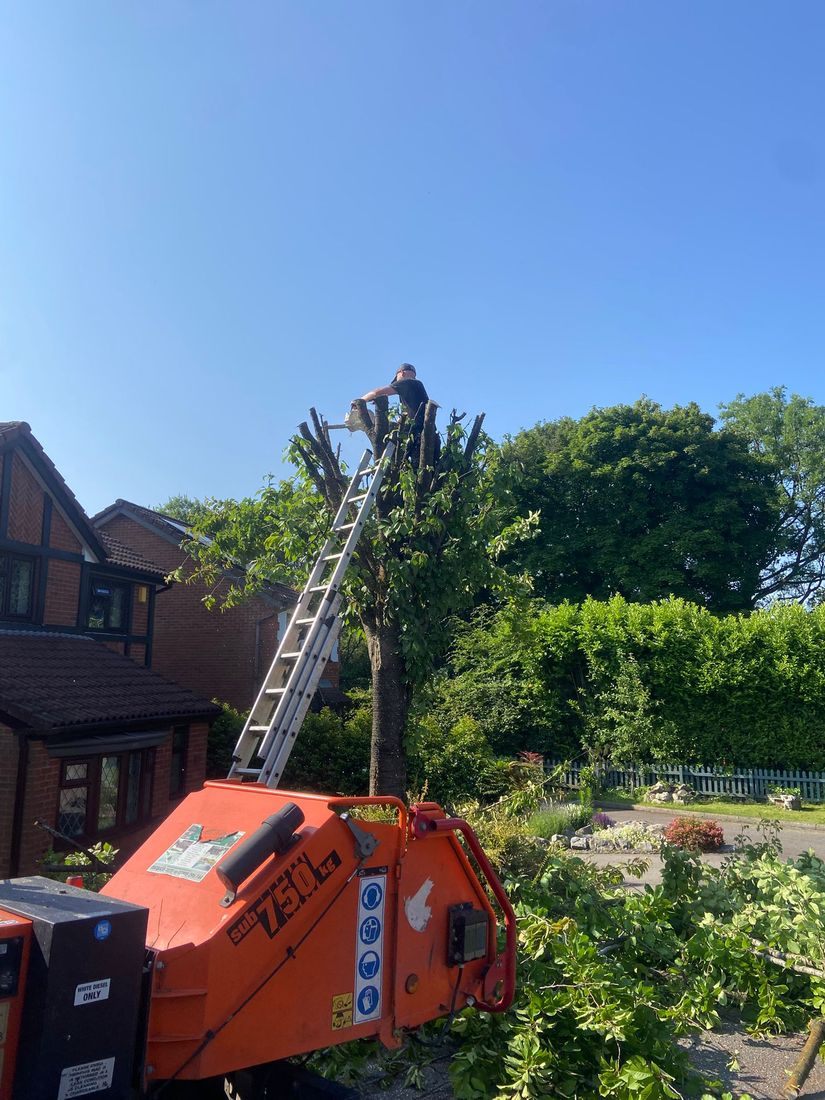
Tree surgery is priced job by job rather than from a fixed list, so this guide explains what moves the cost up or down and how to get a firm figure.
Read the guide →Tell us what needs doing and where. We will come back to you, or call 07766 919630 if it is urgent.