Tree felling means taking a whole tree down to the base. Depending on the space around it, that can be done in one piece or, more often in gardens, in careful sections. We fell dead, diseased, leaning and storm-damaged trees, along with trees that are simply in the wrong place, and we also remove large shrubs and tall conifers.
We work for homeowners, landlords and businesses across South Wales. This page sets out when felling makes sense, how a job runs and what to check first. Choose your town further down to see the area we cover near you and the details for that page.
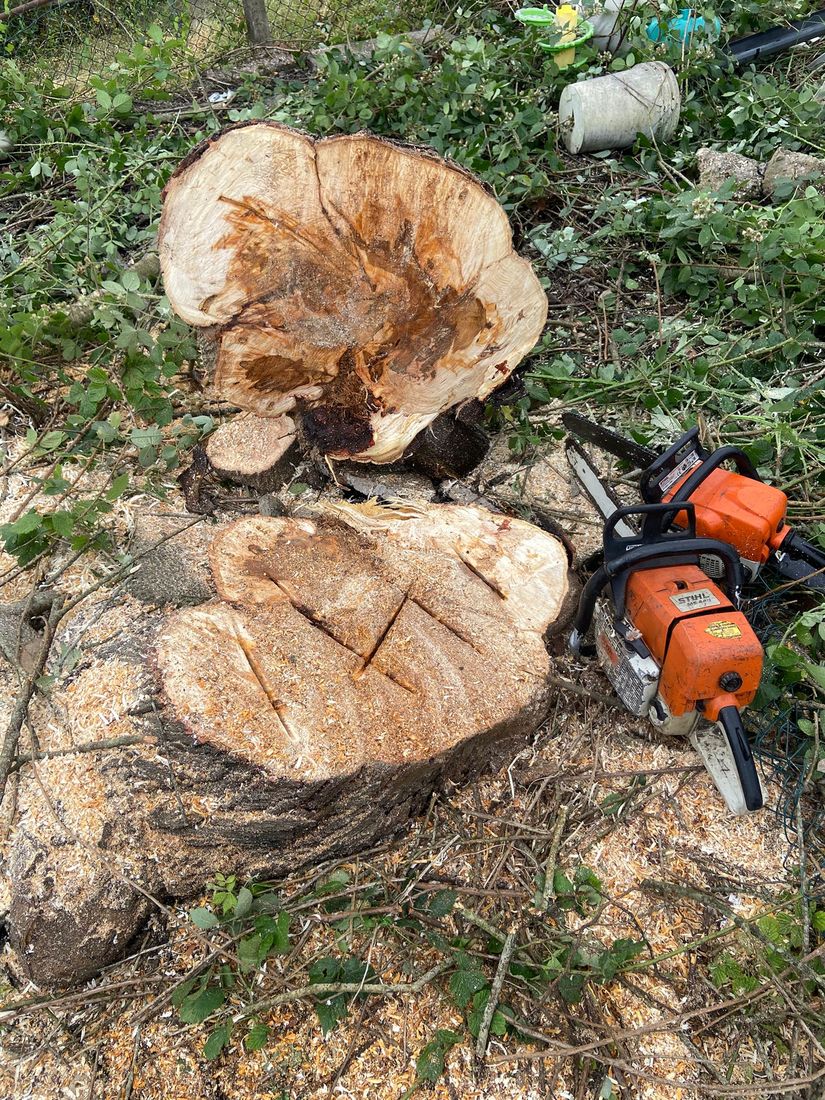
Felling is usually the last option, not the first. A tree may be dead or dying, with brittle branches and fungus at the base. It may be leaning after its roots have loosened, or damaged by wind so badly that it cannot be saved. Sometimes it has simply outgrown the garden, blocking light, lifting paths or pressing against a wall or drain. Trees like this are often safest removed sooner rather than later.
Not every problem calls for removal, and we will say so if a reduction or some deadwood removal would solve it. If the answer is felling, though, we would rather you hear it plainly and plan it properly than wait for the next storm to make the decision for you. A tree that is leaning or splitting can become an emergency very quickly, so do not leave it too long.
We begin with a visit to look at the tree and its surroundings: the height and lean, the space to drop timber, and any buildings, fences, neighbours or overhead cables nearby. We then agree what will be done and the cost with you before we start, including what you would like to happen to the stump once the tree is down. You are welcome to ask any questions about how the work will be done.
Where there is room, a tree can be felled in one piece. In most gardens, though, it is taken down in sections, with limbs lowered under control. The timber is logged and the green waste removed, and we clear up afterwards. The stump can be cut low and left, or ground out by arrangement, whichever suits what you plan to put in its place next. Neighbours are told in good time if the work touches their boundary.
Many trees across South Wales are protected, particularly mature ones in older streets, village centres and conservation areas. Check with your local council whether a Tree Preservation Order or conservation area status applies before any felling takes place, as cutting a protected tree without consent can lead to serious penalties. The council can usually tell you quickly. It is always worth asking before anything is cut.
Think about access too. Valley terraces and sloping gardens can make it harder to move timber, and a tree near farmland edges or a shared boundary may involve neighbours. Birds may also be nesting in spring and summer, so we take care not to disturb them. Tell us anything you know about the tree and we will plan the work around it. A short conversation before the day saves time and trouble.
Real jobs we have completed.
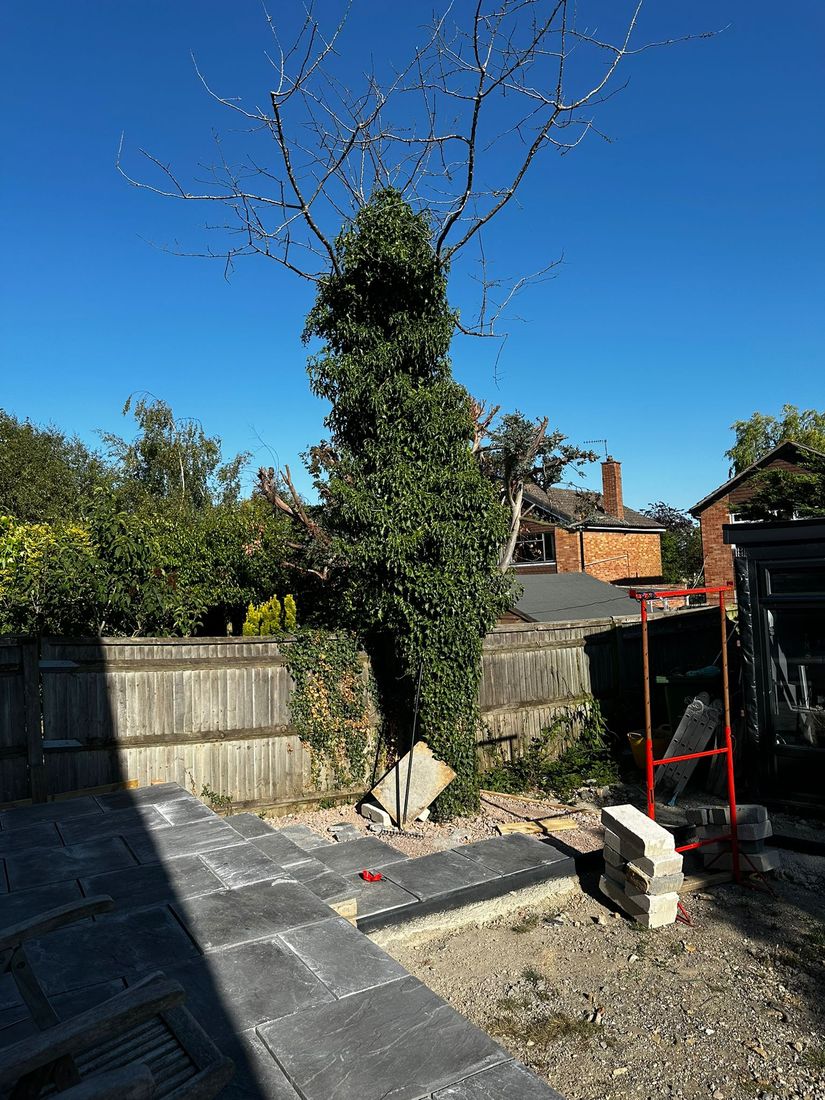
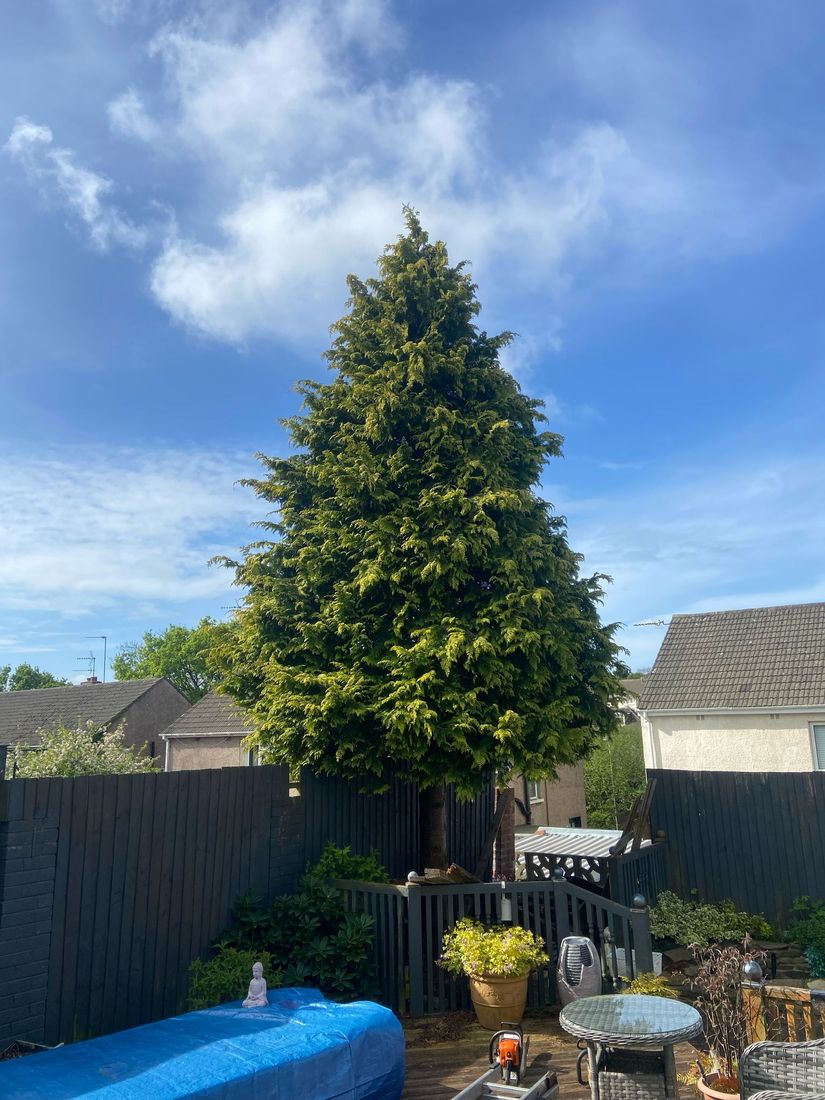
Tree FellingThis tall conifer stood in a Bridgend back garden beside dark fencing and a patio, before we took it down.
See the project →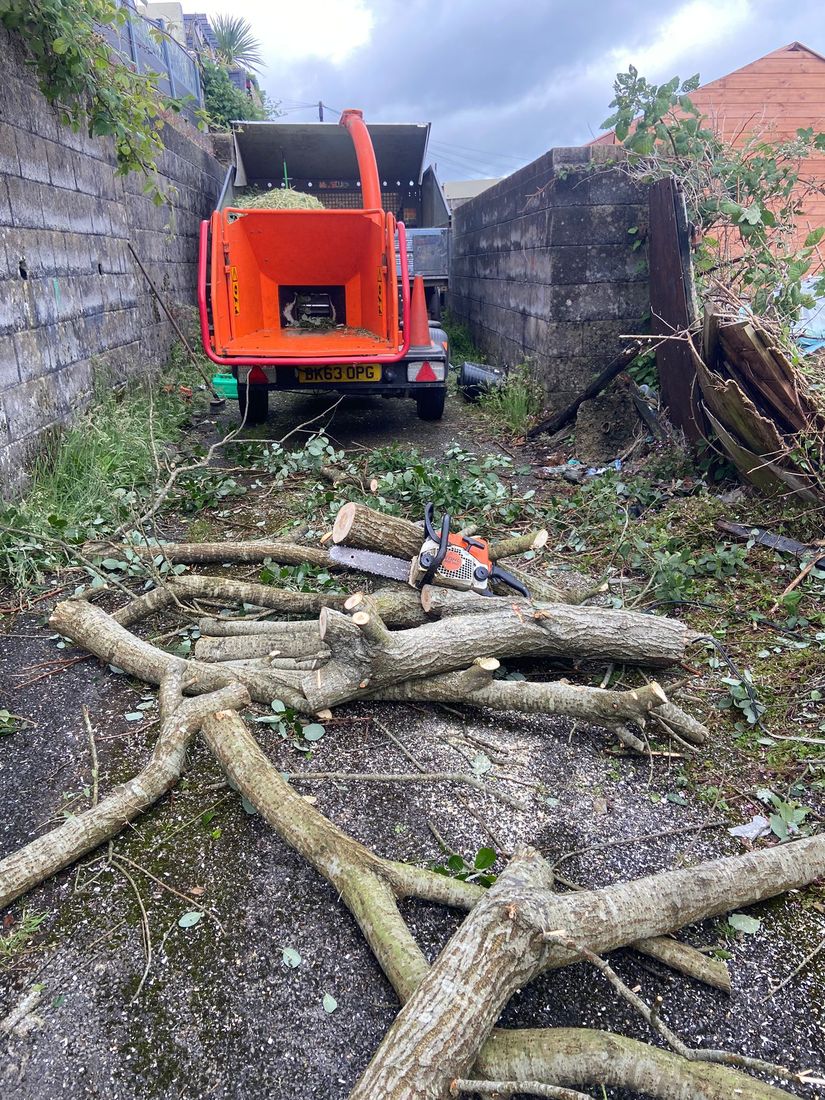 Tree Felling
We felled and cut up trees in a Caerphilly back garden, chipping the branches and leaving the plot cleared.
See the project →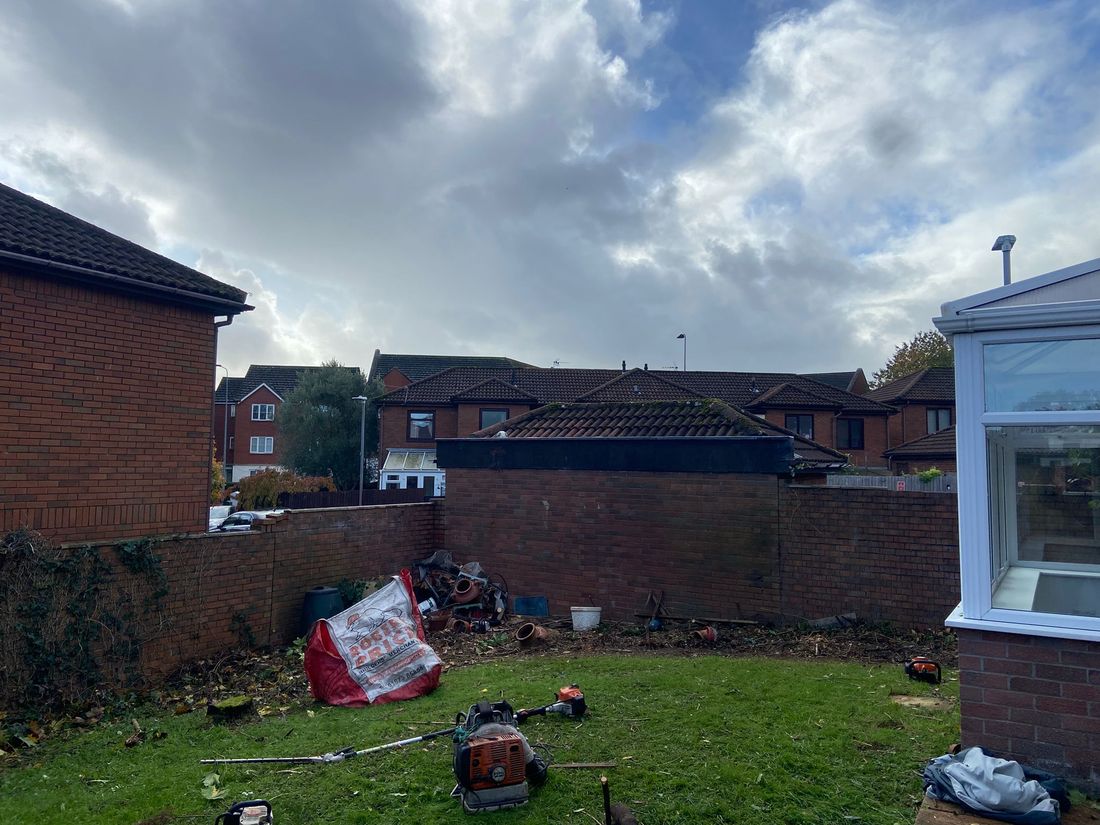 Tree Felling
We took out trees and shrubs from a walled Cardiff back garden, leaving an open lawn next to the conservatory.
See the project →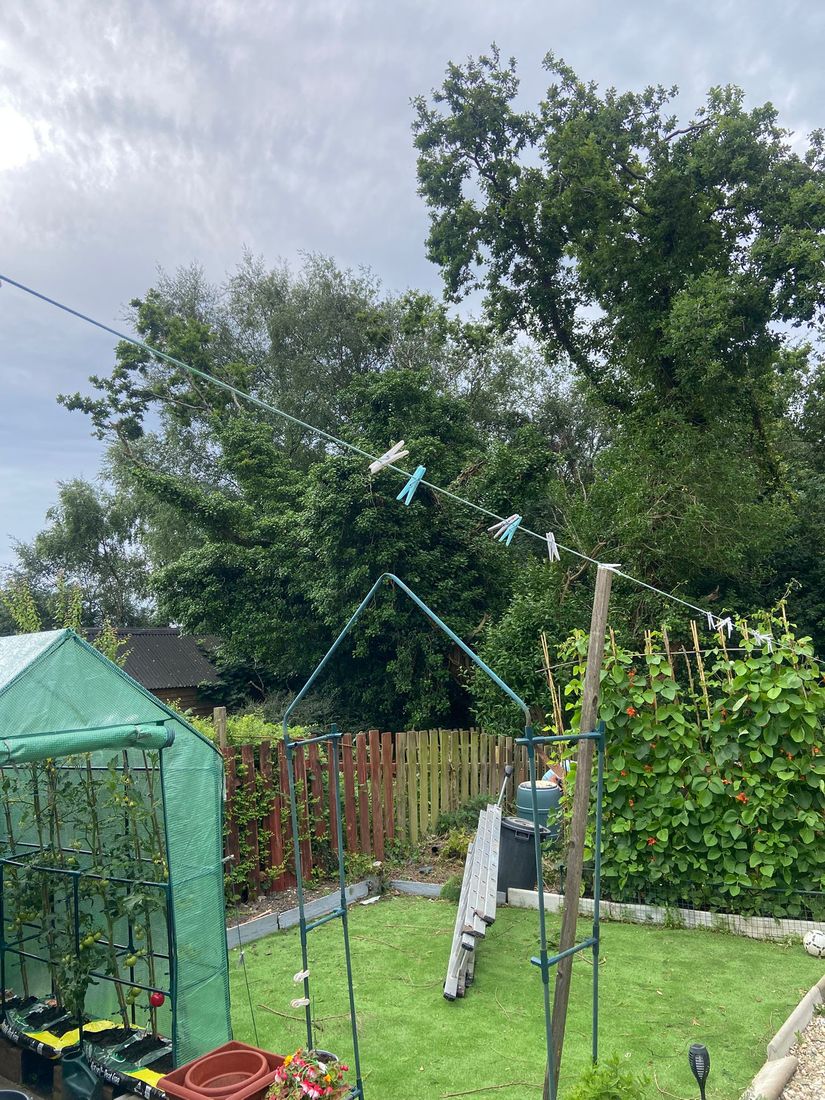 Tree Felling
Tree felling in a Swansea garden where tall trees stood behind the fence, with our chipper and tipper parked on the green outside.
See the project →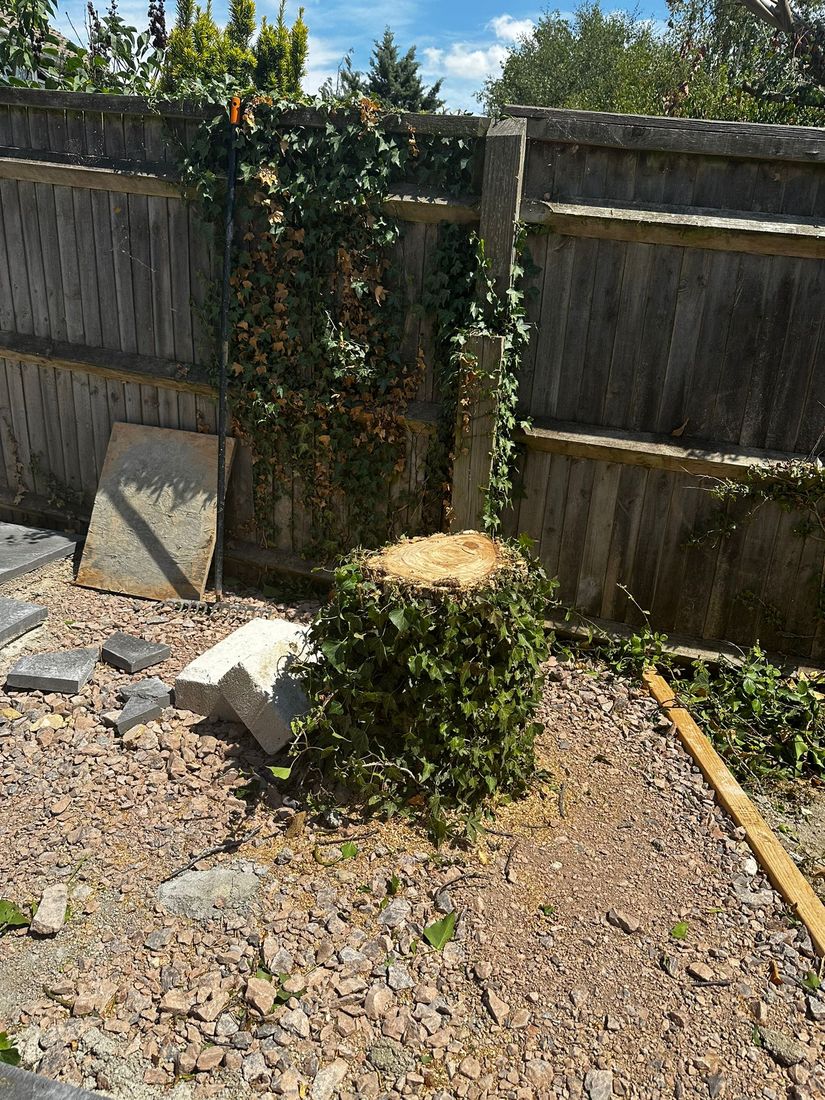 Tree Felling
Felling a tall ivy-covered tree in a Swindon back garden next to a new patio, leaving a low stump by the fence.
See the project →We work across South Wales. Pick your town to see how tree felling works locally.
Often you can fell a garden tree freely, but protected trees and larger amounts of timber need checks first, and this guide explains who to ask.
Read the guide →Taking a tree down should rarely be the first choice, but sometimes it is the only responsible one, and knowing which situation you are in saves worry.
Read the guide →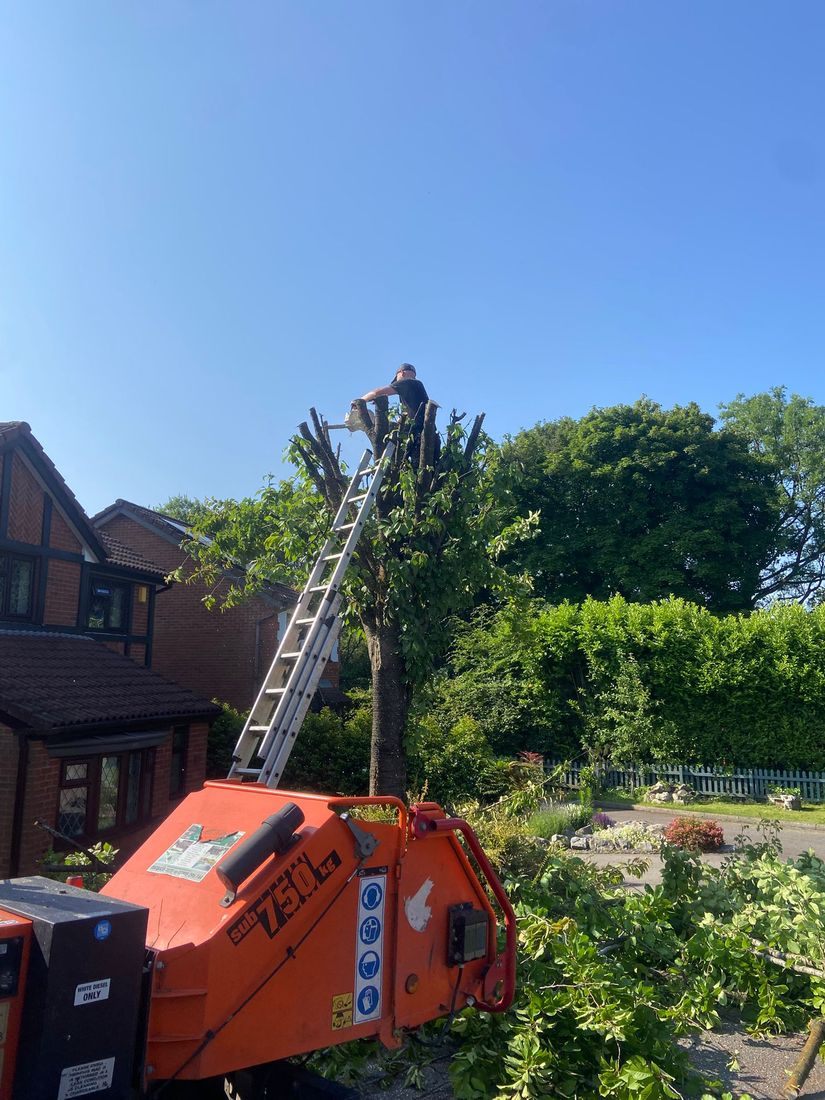
Tree surgery is priced job by job rather than from a fixed list, so this guide explains what moves the cost up or down and how to get a firm figure.
Read the guide →No. The stump can be cut low and left, which is often fine, or ground out by arrangement if you want to replant, lay a lawn or build on the spot. We will talk through both choices when we agree the work with you.
Not always. A tree may be protected by a Tree Preservation Order or stand in a conservation area, and the council has to be consulted first. Check with your local council before cutting, and tell us if you already know of any restrictions.
The timber is logged and the green waste is taken away, leaving the site tidy. If you want to keep the logs for firewood, say so when we agree the job and we can leave them with you, ready to be stacked and stored.
Yes. Storm-damaged, fallen and badly leaning trees are the sort of emergency work we take on. Get in touch with a short description and photographs if possible, and we will advise on making the area safe and then removing the tree. Safety comes first.
Tell us what needs doing and where. We will come back to you, or call 07766 919630 if it is urgent.