Taking a tree down should rarely be the first choice, but sometimes it is the only responsible one, and knowing which situation you are in saves worry.
Trees are valuable. They shade houses, shelter wildlife and soften streets, and many in South Wales have stood far longer than the houses around them. We would always prefer to keep a sound tree where it is sensible. But a tree is a living structure, and when it becomes unsafe or cannot be made safe, taking it down in a controlled way is better than waiting for the wind to decide the matter.
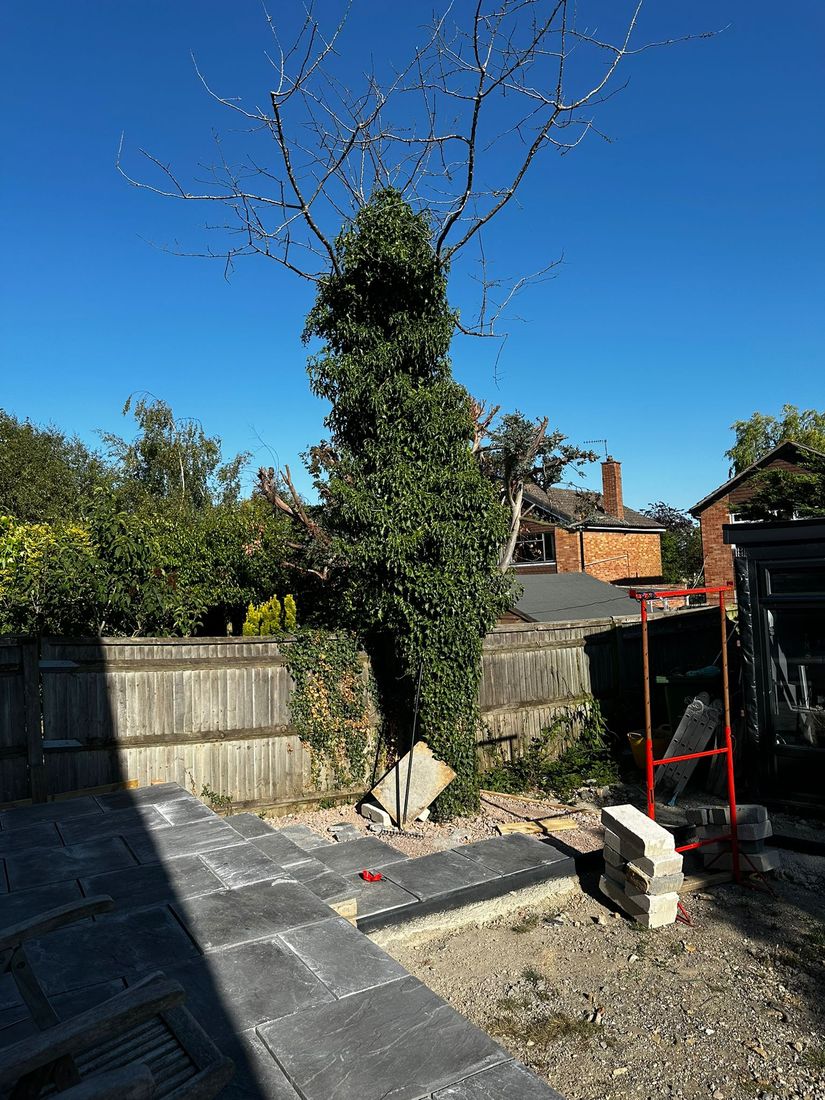
Removal is usually the safest option when the tree's structure has failed or the problem cannot be fixed by pruning. Each situation is different, and we look at the whole tree and its surroundings before recommending anything. Where a tree is a danger to people or property, the sensible answer is rarely to wait and see, and we will explain our reasoning plainly so that you understand why we are recommending it.
Before removal, ask whether the problem can be solved another way. A crown reduction can cut weight and size, thinning can let wind pass through, crown lifting can clear access, and deadwood removal deals with the most dangerous parts. Cabling and monitoring may suit a valuable older tree. If shade, leaves or size are the only complaints, one of these may be enough, and it keeps the tree in the landscape. If we do suggest keeping the tree, we will say what to watch for and how often to have it looked at again, so you are not left wondering.
Trees can be protected by a Tree Preservation Order or by standing in a conservation area, and felling without permission can be an offence. The local council is the place to check, and it is sensible to do so before you book work. In Wales, felling larger amounts of timber may also need a felling licence from Natural Resources Wales, so check before you plan. Dead or immediately dangerous trees are treated differently, but you should still speak to the council first.
Where there is space, a tree can be felled in one piece. In most gardens, particularly the tight, sloping plots in valley terraces, it is taken down in sections, with each piece lowered under control. We look at access, neighbours, fences, wires and the ground before starting, and check for nesting birds. The timber is cut up, the green waste is taken away and the site is left tidy. Nesting birds are checked for before any cutting starts, and work is planned around them. Neighbours are worth telling in advance, as the noise of a chipper and saws can carry across a terrace, and some of the work may need to take place from their side.
Once the tree is down, you are left with a stump. It can be cut low and left, which is often fine, or ground out by arrangement if you want to lay a lawn, patio or new planting. Roots can persist and take time to rot, so tell us what you plan for the space. A replacement tree of a suitable size and species, planted further from the house, is often a good idea.
Felling is among the most dangerous jobs a householder can attempt. Trees do not fall where you expect, rotten timber can fail without warning, and the cut parts weigh far more than they look. Never climb, and never work near power lines. Ask us for a free quotation after seeing the job, and we will tell you plainly whether removal really is the safest route.
We will visit, tell you honestly what is needed and give you a free, no-obligation quotation.
Sometimes. A tree may be protected by a Tree Preservation Order or a conservation area, and larger felling may need a licence from Natural Resources Wales. Check with your local council before booking work, and do not cut anything until you know.
No, not without the owner's agreement, because the tree belongs to whoever owns the land it grows on. In some circumstances you may cut branches back to the boundary, but it must be done carefully. Talk to your neighbour first, and ask us if you are unsure.
That is up to you. Many stumps are cut low and left to decay naturally, while others are ground out so the area can be used for a lawn, patio or new planting. We will talk through the choice when we visit, and check the access for any machinery.
It depends on the size of the tree, the access and how much has to be lowered in pieces. A small garden tree can take part of a day, while a large or awkward one may take longer. We will give you a realistic idea when we see the job.
Often you can fell a garden tree freely, but protected trees and larger amounts of timber need checks first, and this guide explains who to ask.
Read the guide →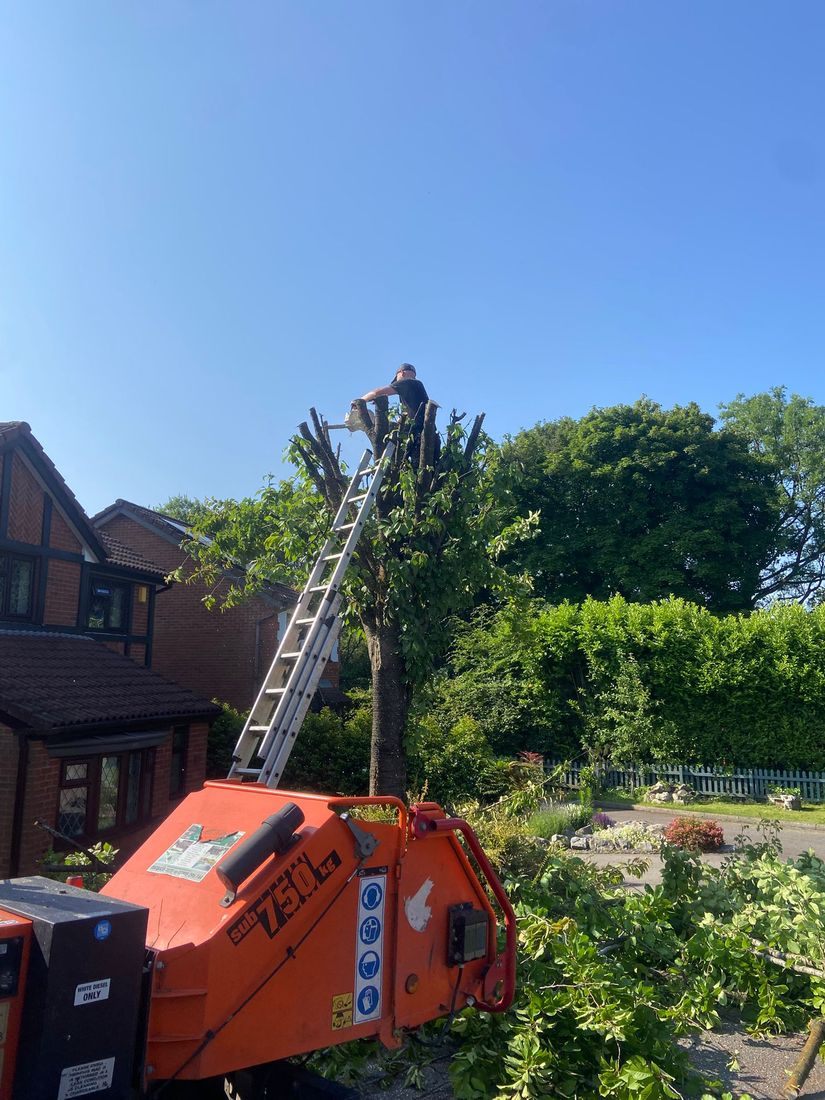
Tree surgery is priced job by job rather than from a fixed list, so this guide explains what moves the cost up or down and how to get a firm figure.
Read the guide →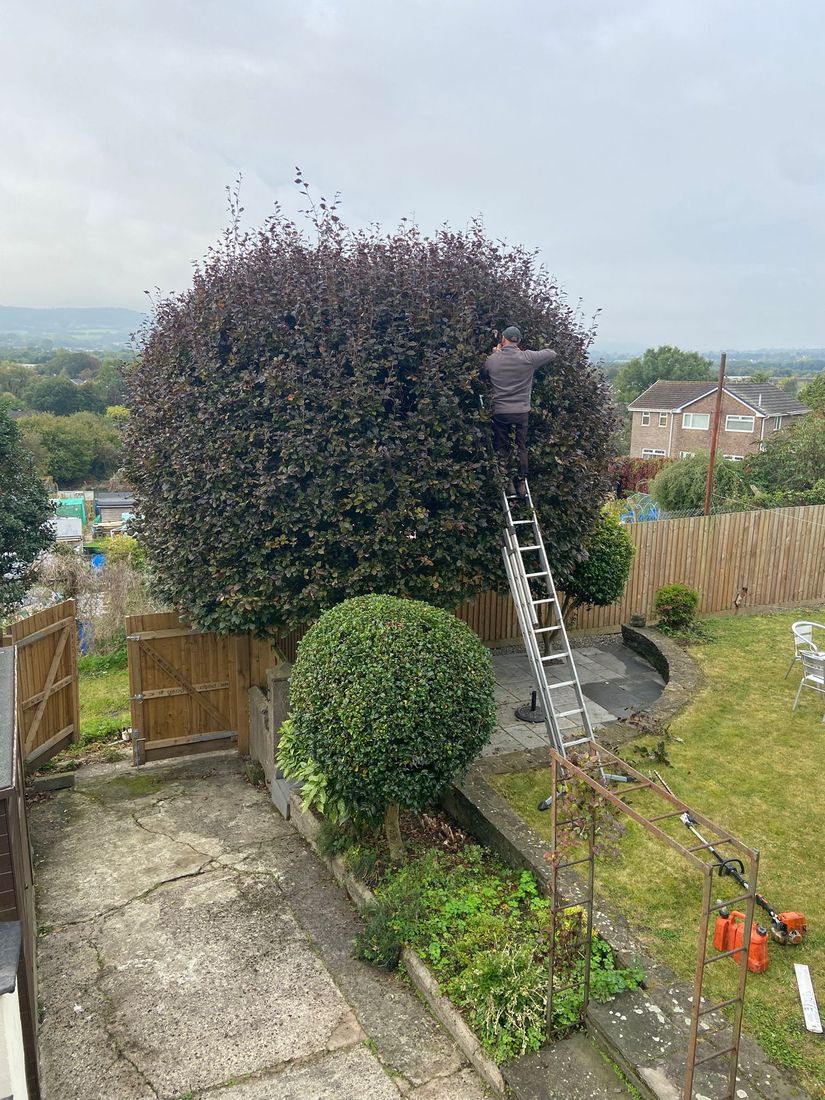
There is no single perfect month for every tree, but winter suits many species, and this guide shows how timing, nesting birds and weather affect the choice.
Read the guide →Tell us what needs doing and where. We will come back to you, or call 07766 919630 if it is urgent.