Regular pruning keeps trees safe, balanced and healthy, brings light back into gardens and buildings, and usually avoids the larger and more disruptive jobs that neglect leads to.
A tree that is looked after every few years rarely needs drastic work. A tree left for decades can end up with heavy limbs over a roof, crossing branches, and so much dead wood that the only sensible answer is a major reduction or removal. Regular, modest pruning keeps growth in proportion with the space, which is kinder to the tree and far less disruptive for you. It is the gardening equivalent of servicing a car before it breaks down.
Dead, split and crossing branches are the ones most likely to come down in a gale. In South Wales, where Atlantic weather can arrive at any time of year, taking out deadwood and reducing overextended limbs lowers the chance of something dropping onto a car, a path or a neighbour's garden. For businesses, shops and public-facing premises, keeping car parks, entrances and signage clear of overhanging branches is also a practical part of looking after visitors.
A tree that looks fine can still carry hidden weaknesses, such as a split union between two stems or a branch that has grown too long for its attachment. A tree surgeon looking at the tree from within the canopy often finds problems that cannot be seen from the ground, and can deal with them before the next gale arrives.
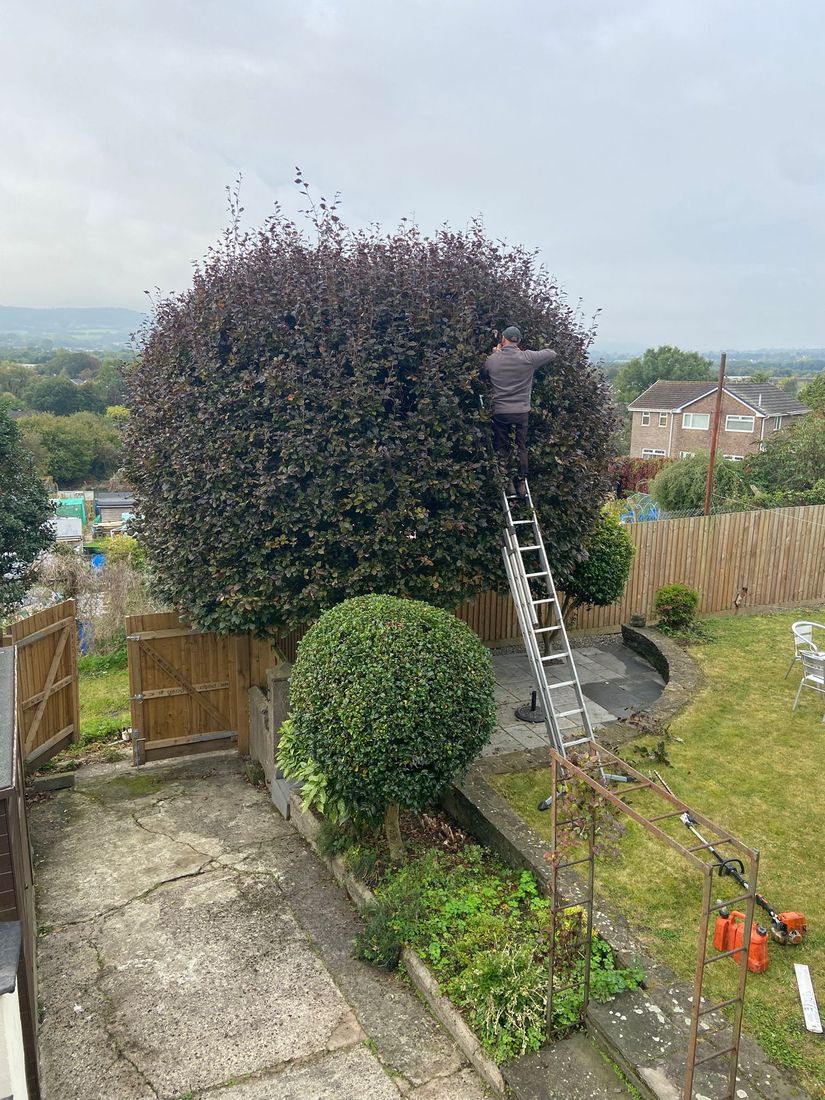
Dense canopies cast deep shade, leave lawns thin and make rooms feel gloomy. Thinning a crown lets light through while keeping the tree's natural shape, and lifting low branches clears paths, windows and sightlines. In terraced valley streets with small gardens, even a modest reduction can make a big difference to how usable the space feels. Fruit trees respond especially well, with better airflow and more even ripening in the following seasons. Pruning also helps with the everyday nuisance side of trees: leaves in gutters, branches brushing against windows, twigs tapping on the roof, and sap or honeydew dripping on cars and patios. A sensible clearance from the building is good for the house and the tree alike.
Pruning is not only about size. Removing diseased, damaged and rubbing wood lets a tree seal wounds cleanly and puts its energy where it is useful. Good cuts are made back to the branch collar, not flush with the trunk and not leaving stubs. Poor pruning, such as topping a tree or stripping it bare on one side, can do lasting harm, so it is worth having the work done properly.
Timing depends on the species. Many deciduous trees are most suitable for pruning in winter while dormant, when the structure is easy to see, whereas some fruit and flowering trees prefer a different time of year. Between spring and summer, nesting birds are a major consideration, and active nests must not be disturbed, so we plan around them. Conifers are different again: they will not regrow from old bare wood, so cutting back to brown stems can be permanent.
Light formative pruning of a small young tree from the ground can be a sensible home job. Anything higher, heavier or near a building or wire is not. Working at height with saws is among the most dangerous jobs in gardening, and branches under tension can move unpredictably. A tree surgeon has the training, equipment and way of working to do it safely and to leave the site clean, with the waste taken away.
Before any pruning, check whether the tree is protected. It may be covered by a Tree Preservation Order or be in a conservation area, and the local council is the place to ask. Commercial sites with several trees often do well with a simple rolling plan, agreed in advance. Tell us what trees you have and what you want from them, and we will give you a free quotation after seeing the job. Business owners and landlords may also want written details of the work done to a tree for their own records, so ask us for a clear description of what was cut and why. It helps when the tree is next looked at.
We will visit, tell you honestly what is needed and give you a free, no-obligation quotation.
It varies with species, age and location. Many garden trees do well with a light check every two to five years, while fast growers and those close to buildings may need attention more often. We can tell you what suits yours when we visit.
Done properly, no. Clean cuts at the right point on the branch, the right amount removed and the right season all matter. Harm comes from removing too much, cutting in the wrong place or topping. If a plan sounds drastic, ask for the reasons.
Often yes for light work, but nesting birds are a key consideration and active nests must not be disturbed. Some trees also bleed sap or are prone to disease if cut at the wrong time. We will advise on timing for your tree.
We can cut up the branches and take the green waste away, leaving the site tidy and the paths swept. If you want logs for a stove or wood chip for the garden, tell us beforehand and we will leave some for you where practical.
There is no single perfect month for every tree, but winter suits many species, and this guide shows how timing, nesting birds and weather affect the choice.
Read the guide →Tall conifers can often be reduced safely, but only back to living green growth, because most will never regrow from bare brown wood.
Read the guide →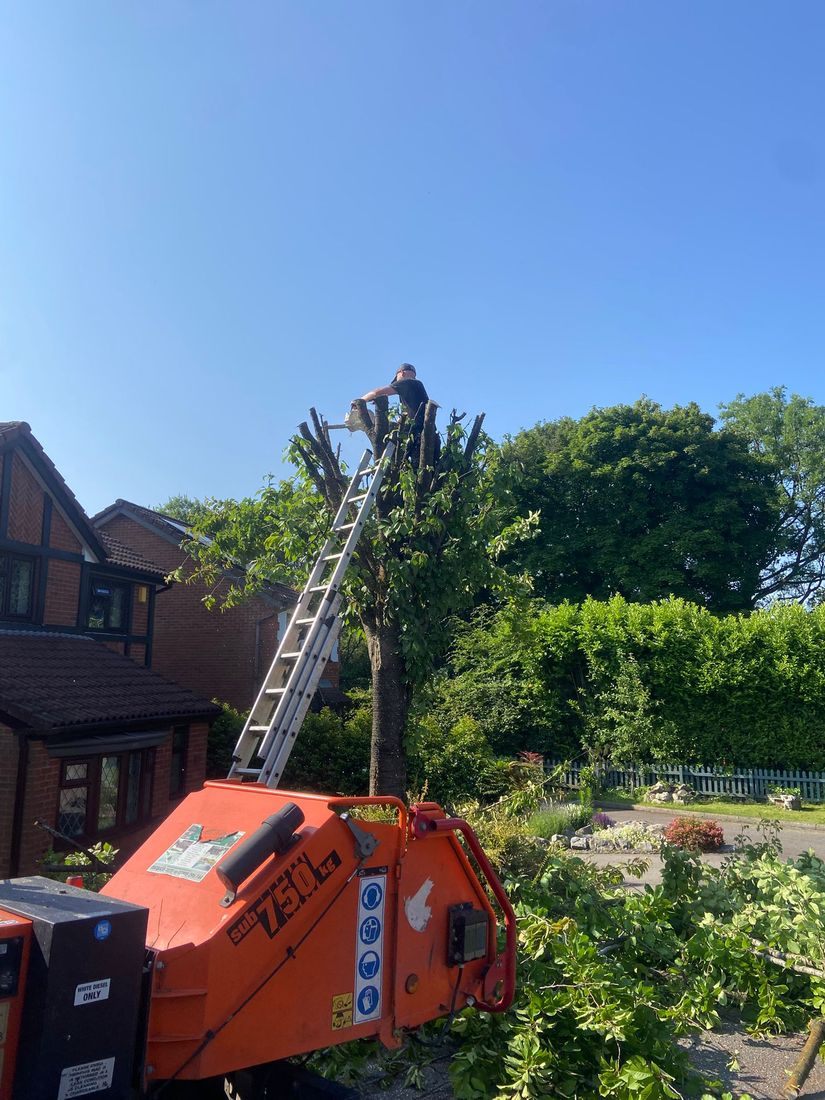
Tree surgery is priced job by job rather than from a fixed list, so this guide explains what moves the cost up or down and how to get a firm figure.
Read the guide →Tell us what needs doing and where. We will come back to you, or call 07766 919630 if it is urgent.