
Monmouth has plenty of period town houses with generous gardens, and those gardens tend to come with tall, well-grown hedges. Left alone for a few seasons, a hedge can swallow a path, shade a window and lean over the neighbour's side. We trim hedges in Monmouth to bring them back under control, keeping the sides straight and the top level.
Some customers want a regular cut each year, others only call when the hedge has got away from them. Either is fine. We cut the hedge, clear the clippings and sweep up before we leave, so you are left with a tidy boundary rather than a pile of green waste to deal with yourself.
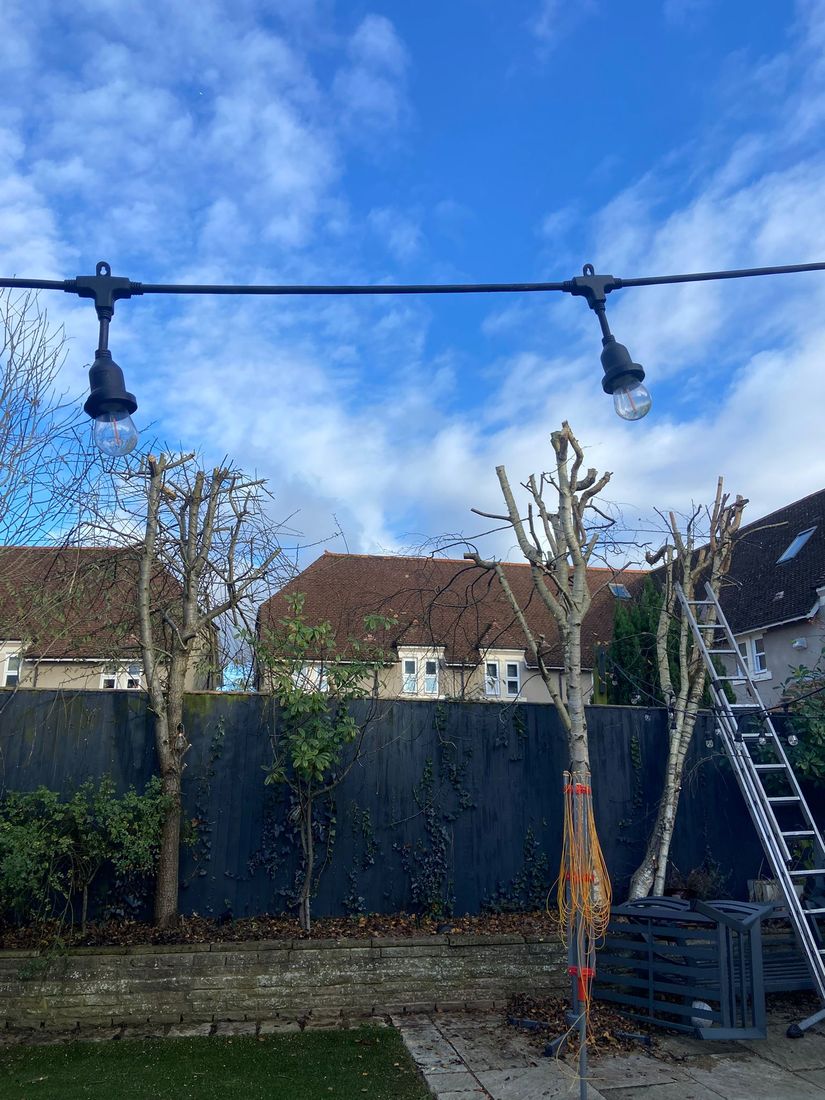
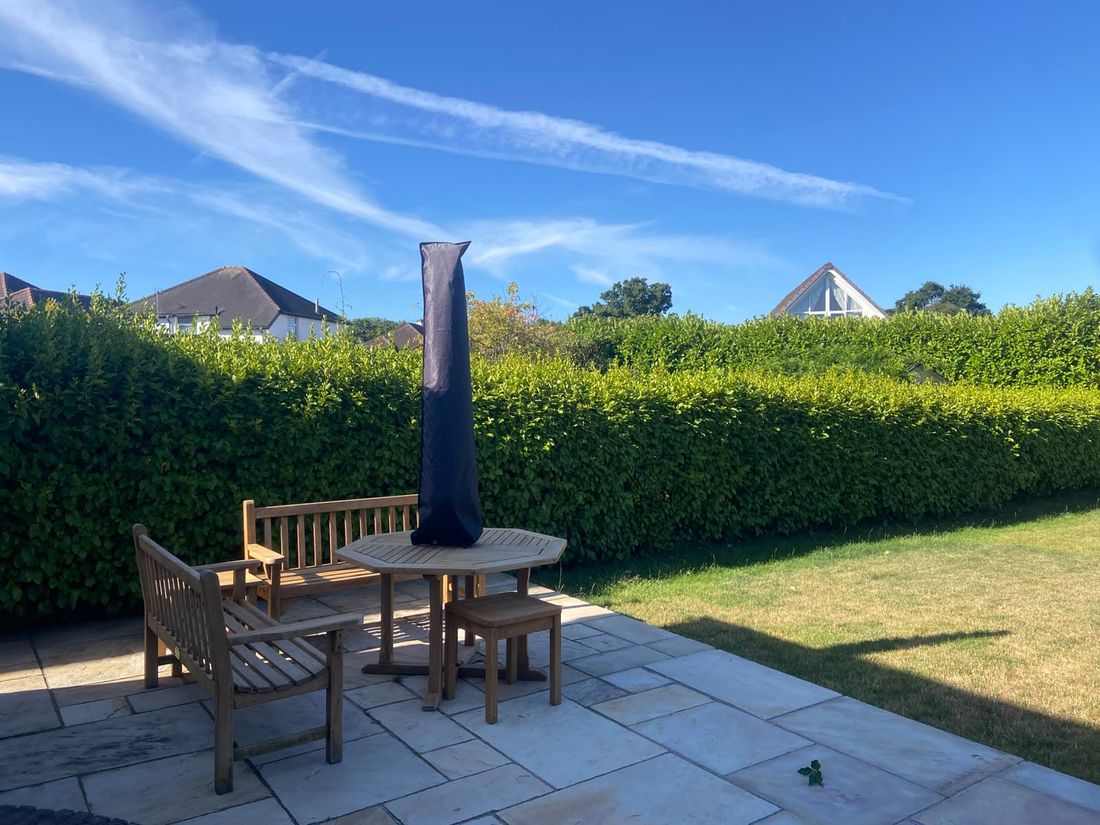
The larger plots around Monmouth often carry hedges that are far taller and longer than a typical suburban privet. Cutting these properly takes the right access equipment, steady working and a plan for where the clippings will go. We look at the length, the height and the ground at the base before we start, so there are no surprises on the day.
Where a hedge has been left to climb well beyond its original height, we can reduce it in stages and bring the width back in as well. We will talk through what the plant is likely to tolerate before we start. Some species shoot again from old wood and some do not, so a hard cut is not always the right call, and patience often gives a better result.
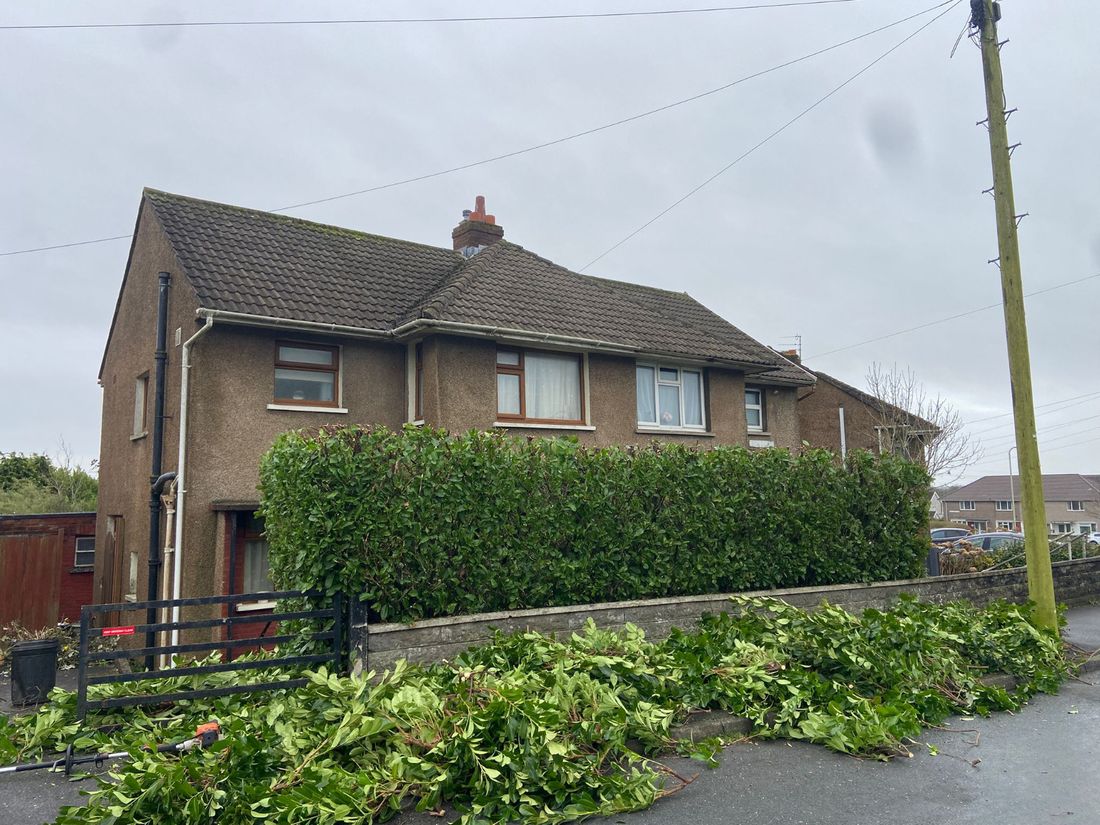
Monmouth gardens carry a mix of hedging: tidy beech, glossy laurel, privet, and the occasional run of conifer or Leylandii that has outgrown its spot. Each of them behaves differently under the shears. Conifers rarely recover from cutting back into bare brown wood, so we aim to keep them in hand and trim little and often rather than let them reach that point. That keeps the hedge thick and green.
Mixed country-style boundaries, with hawthorn, hazel and other native shrubs, need a lighter touch and a different shape. With the Wye Valley and the Forest of Dean not far off, many gardens here sit close to open countryside, and a hedge that fits its surroundings often looks better than a sharp, formal box. In Monmouth we can cut either style, whichever you prefer. Just tell us how formal you want it.
Birds nest in hedges from spring into summer, and we take care not to disturb an active nest. If we find one, we will talk to you about leaving that section alone and coming back later. Outside those months the cutting is straightforward. We remove the green waste, sweep the paths and drive, and leave the Monmouth garden ready to enjoy. We also cover Rockfield, Dixton, Overmonnow and Trellech.
A few jobs we have completed. We also work in and around Monmouth.
 Hedge Trimming
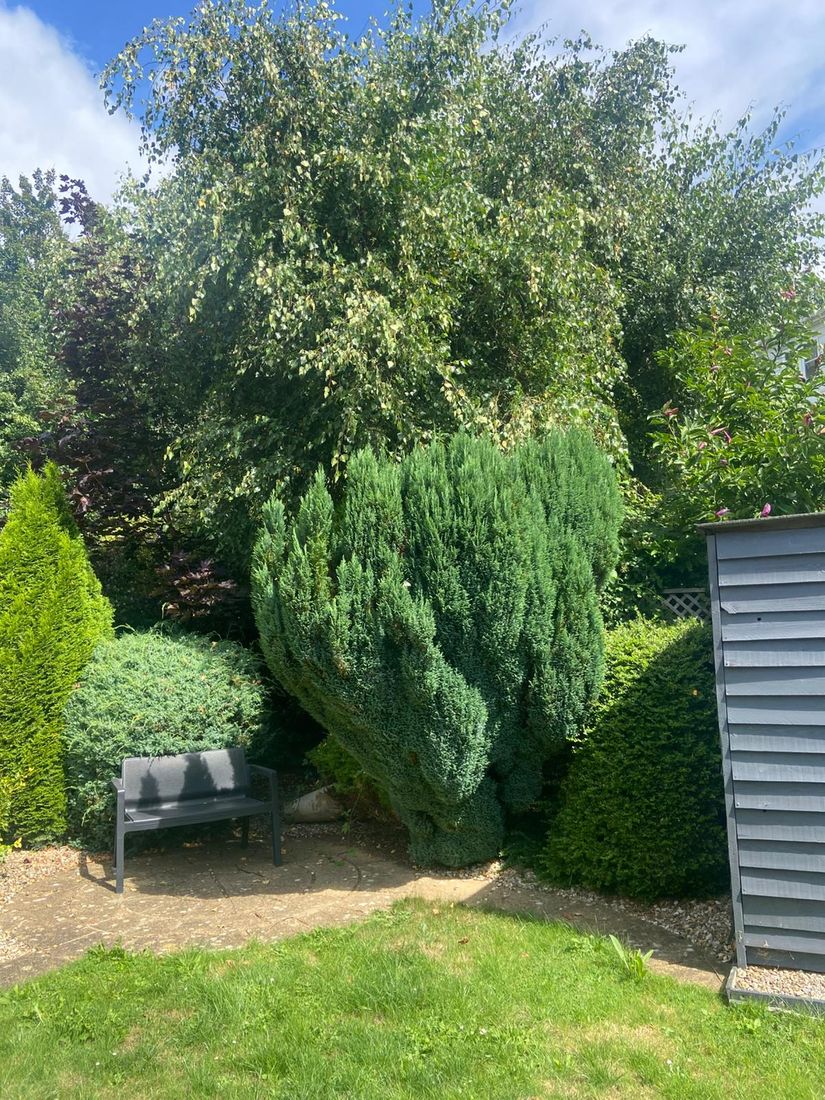
Overgrown hedges, a leaning conifer and tall boundary growth along a narrow lane, tackled as one hedge trimming project in Abertillery.
See the project →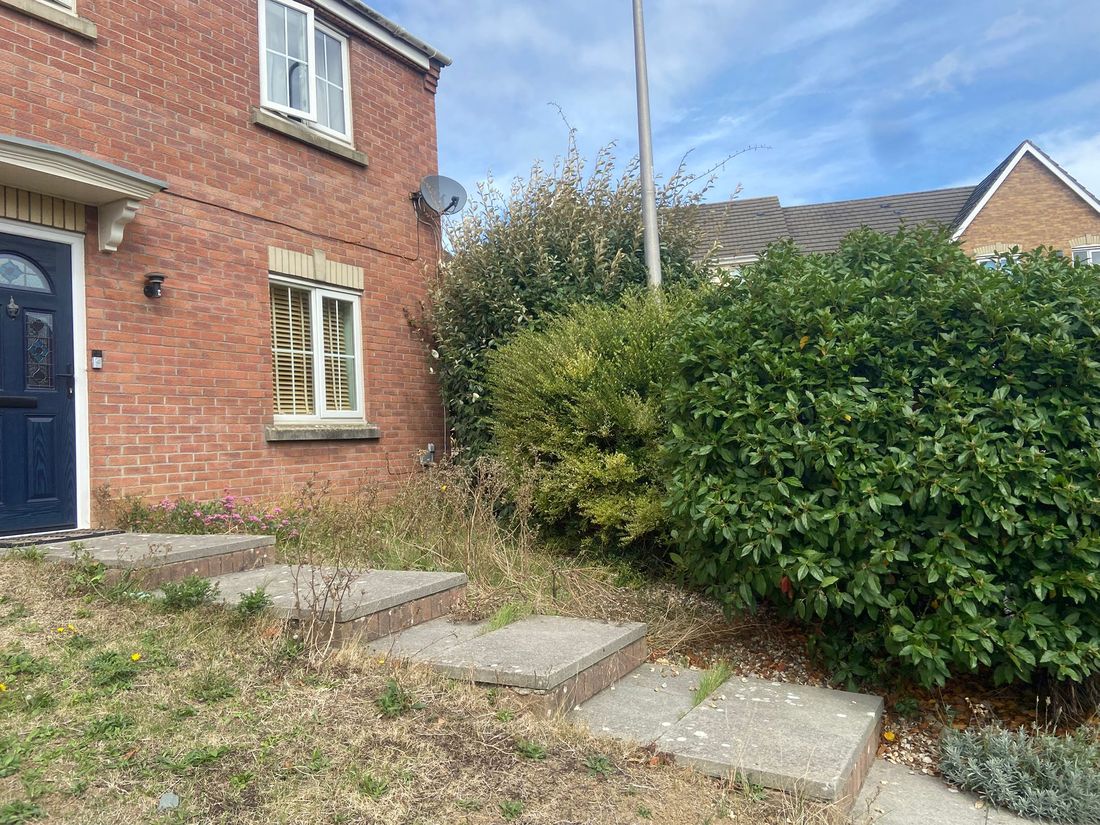 Hedge Trimming
Large evergreen hedges and shrubs pressing in on the front steps of a red-brick house in Barry, shown before cutting back.
See the project →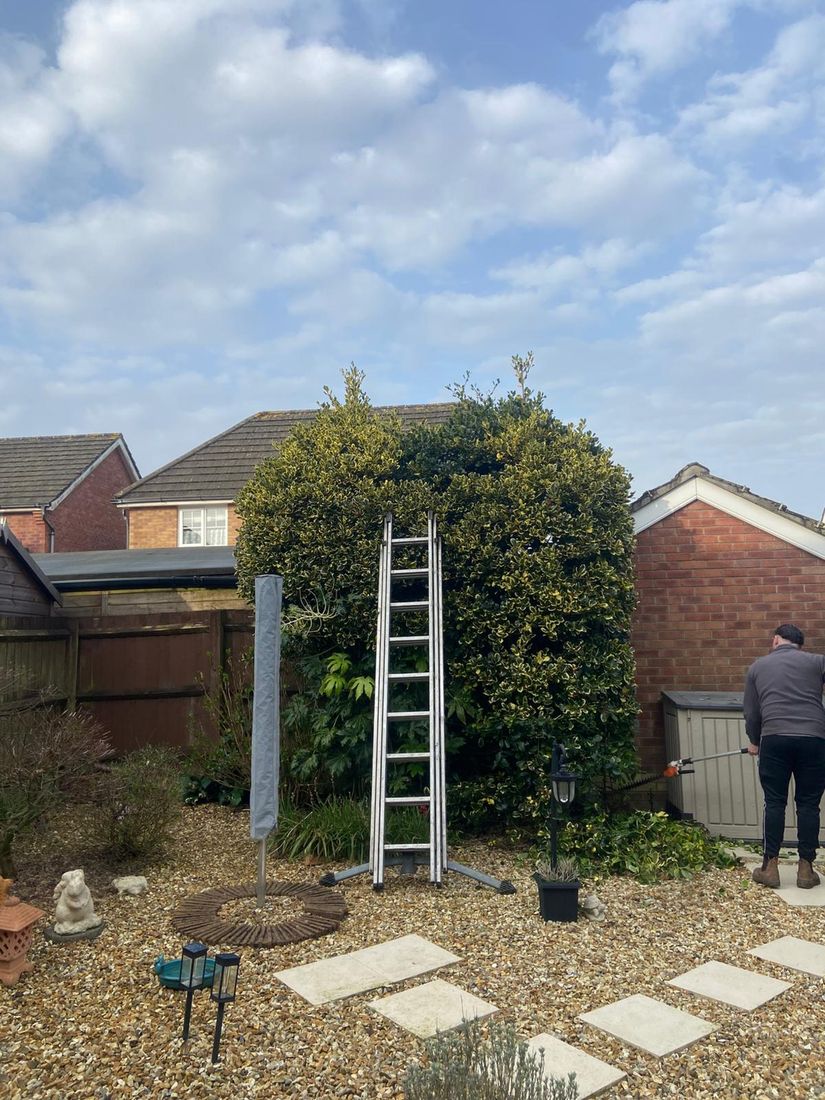 Hedge Trimming
A selection of hedge, climber and small tree trimming jobs in Bridgend, from a roadside laurel hedge to an overgrown back fence.
See the project →We work across South Wales. Pick your town to see how hedge trimming works locally.
Most garden hedges need cutting once or twice a year, but the right rhythm depends on the plant, the shape you want and the nesting season.
Read the guide →Hedge cutting is priced on the job in front of us, and a handful of practical factors explain why two hedges that look similar can need very different amounts of work.
Read the guide →Some hedges just need a single tidy-up, while others stay manageable only with planned visits, and the right choice depends on the hedge and how you use your garden.
Read the guide →Yes. We assess the height, the width and the ground around the base first, then bring the equipment needed to reach the top safely. Very tall hedges are cut in a planned way, and we will tell you if a stage-by-stage reduction suits the plant better.
Birds may be nesting, so we check carefully before cutting and leave any active nest untouched. If a section cannot be cut yet, we agree a later return with you. Autumn and winter are usually simpler for heavier work.
Yes, we remove the green waste as part of the job and sweep the paths and driveway before we go. If you would rather keep some for a compost heap or a wildlife pile, just say so and we will leave it where you want it.
Tell us what needs doing and where. We will come back to you, or call 07766 919630 if it is urgent.