Monmouth has many period town houses and large gardens, and a lot of them include trees that have been growing for generations. When the lower branches begin to lean on a roof, block a view of the garden or crowd a path, a crown lift gives you the room back.
We take the lowest limbs only, cut them cleanly and keep the tree's natural form. Mature trees deserve a careful hand, and we will say if a lighter approach would do. Large gardens give us room to do the job properly and tidy up afterwards.
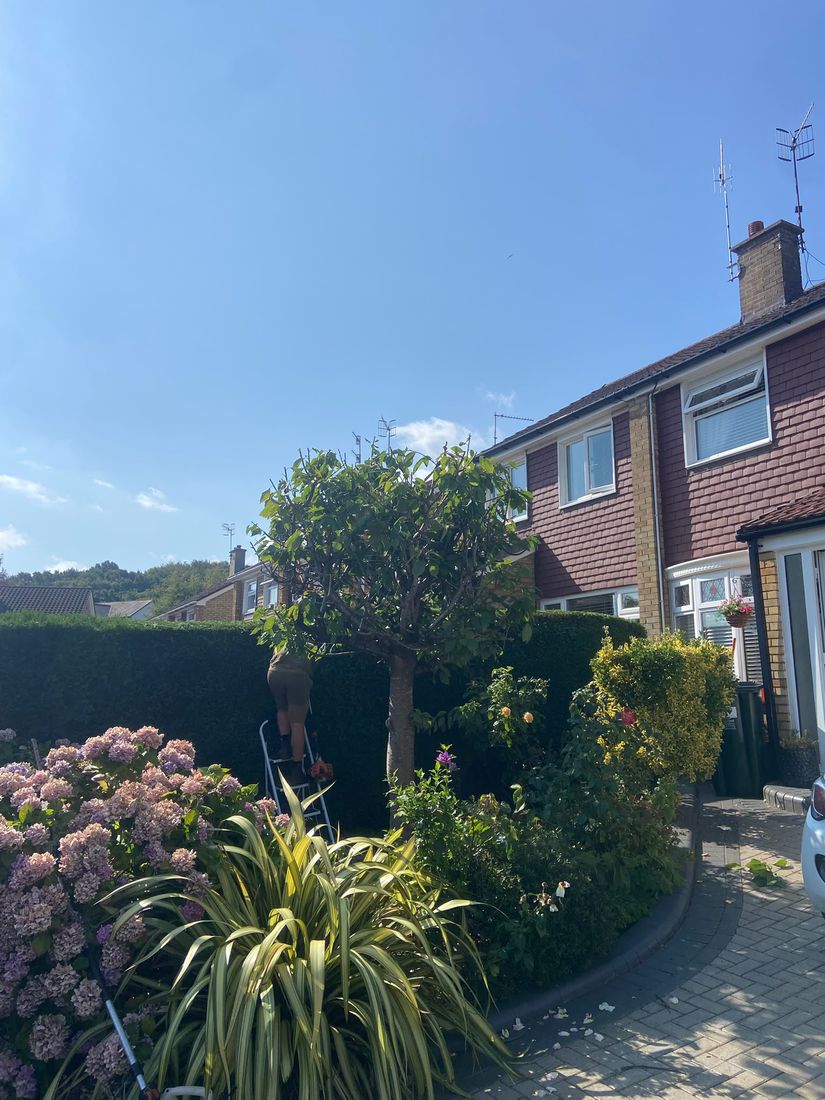
In a market town like Monmouth, big trees often stand close to old walls, outbuildings and neighbouring properties. A low limb that has been left alone can scrape stonework, push at slates or hang across the path to the front door. Lifting the crown clears that growth and lets air move under the tree. Monmouth's town gardens are often walled, so lower branches have nowhere to go but over the wall or onto the path.
Gardens near the rivers can also hold moisture, which encourages quick, heavy growth on the lower branches. Regular, modest lifting is kinder to the tree than waiting until the branches are huge, because smaller cuts heal better. If you have left a tree for a long time, we can lift it in stages. It is a gentle, repeatable method that suits mature trees well.
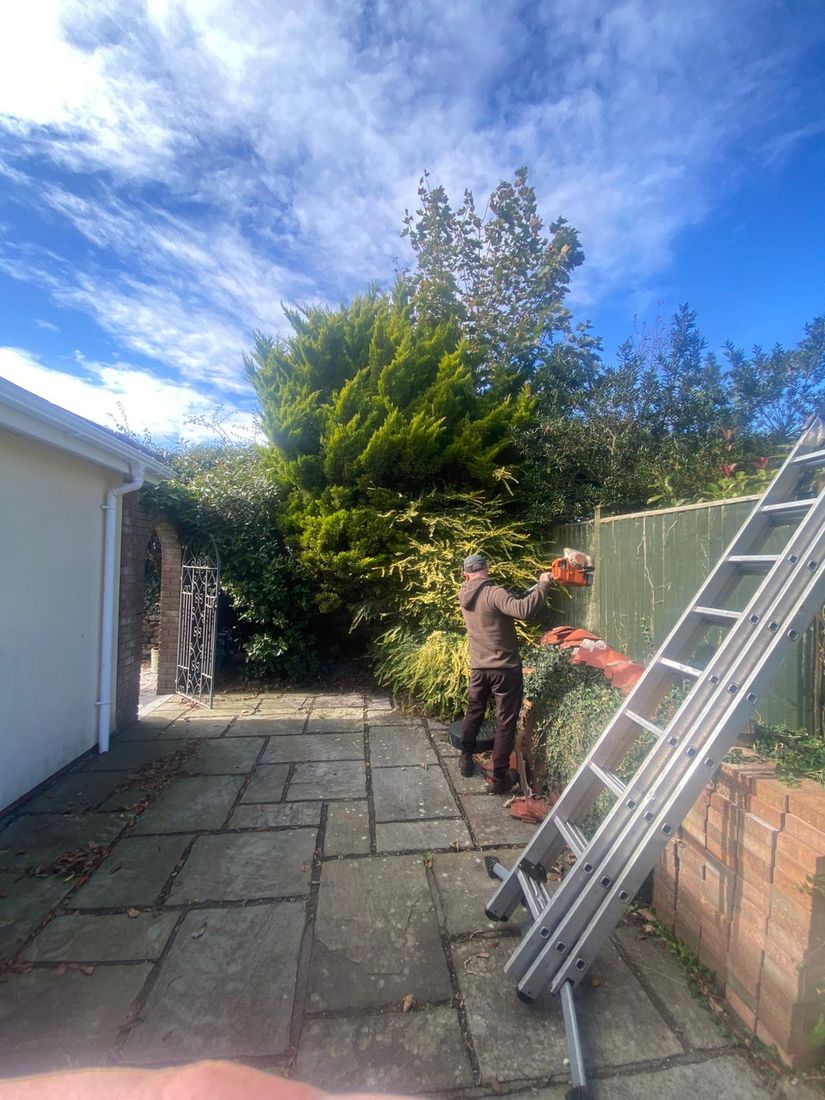
Working beside period houses means thinking about what is underneath. We lower branches on ropes rather than let them fall, and we protect glass, lawns and paving as we go. Where space is tight we cut in small sections, which takes longer but avoids damage. Our approach is slow and tidy, which suits the setting. In Monmouth that care is part of every job, however small the tree.
Tall hedges often sit alongside these trees, so we make sure we do not harm them either. If both need attention, we can plan the work together, tidying the hedge line and lifting the canopy above it in the same visit, so the garden looks balanced rather than half finished. Monmouth's gardens often run to long lawns and herbaceous borders, which we protect during the work.
Much of central Monmouth lies in a conservation area, and some trees have preservation orders, so we check before cutting and help you give the council any notice it requires. We also cover Rockfield, Dixton, Overmonnow and Trellech, and carry out the same checks wherever the tree stands. If you are unsure whether your property is in the conservation area, we can help you find out, and it is wise to check before booking any pruning.
We work across South Wales. Pick your town to see how crown lifting works locally.
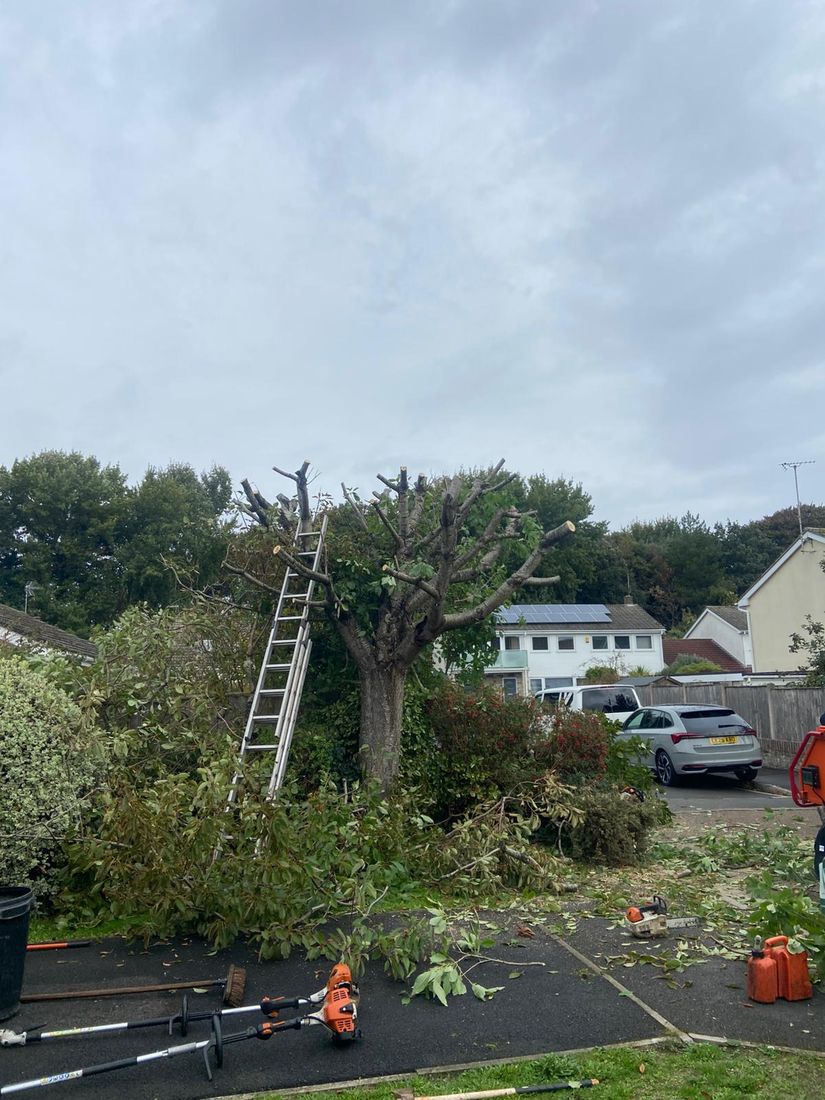
Crown lifting raises the canopy by removing low branches, while crown reduction makes the whole tree smaller, so choosing the right one depends on your problem.
Read the guide →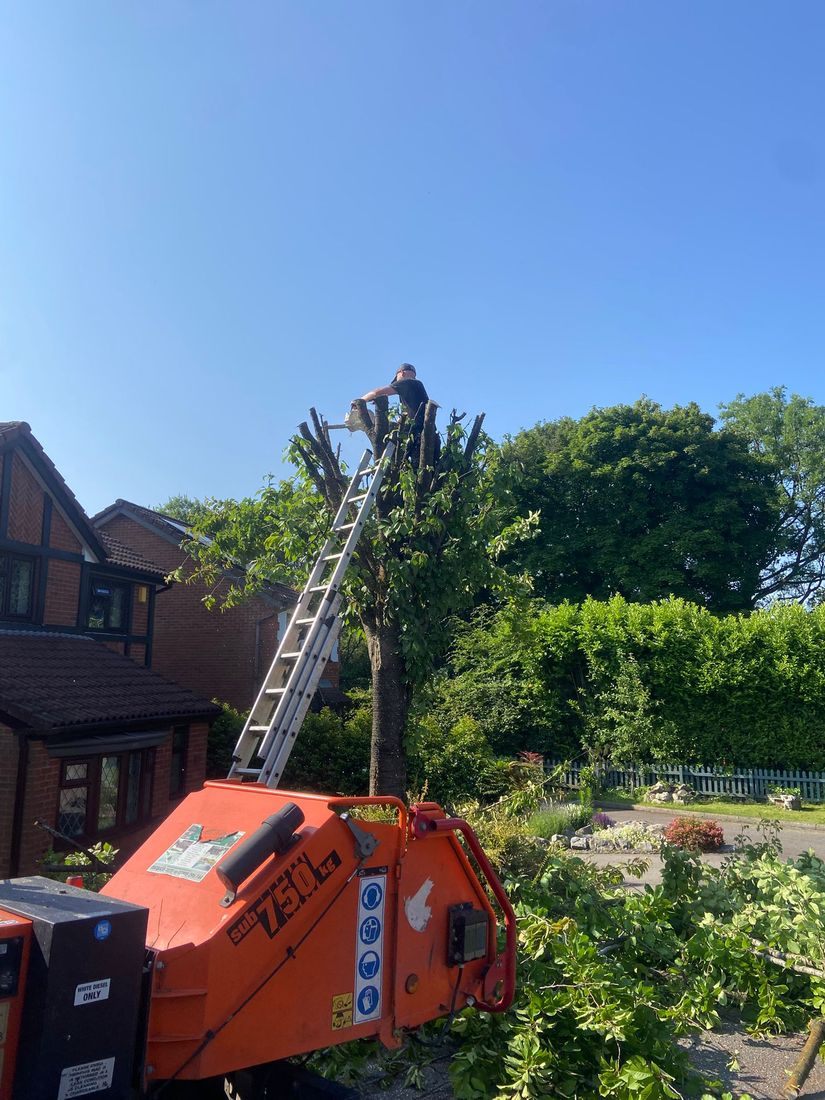
Tree surgery is priced job by job rather than from a fixed list, so this guide explains what moves the cost up or down and how to get a firm figure.
Read the guide →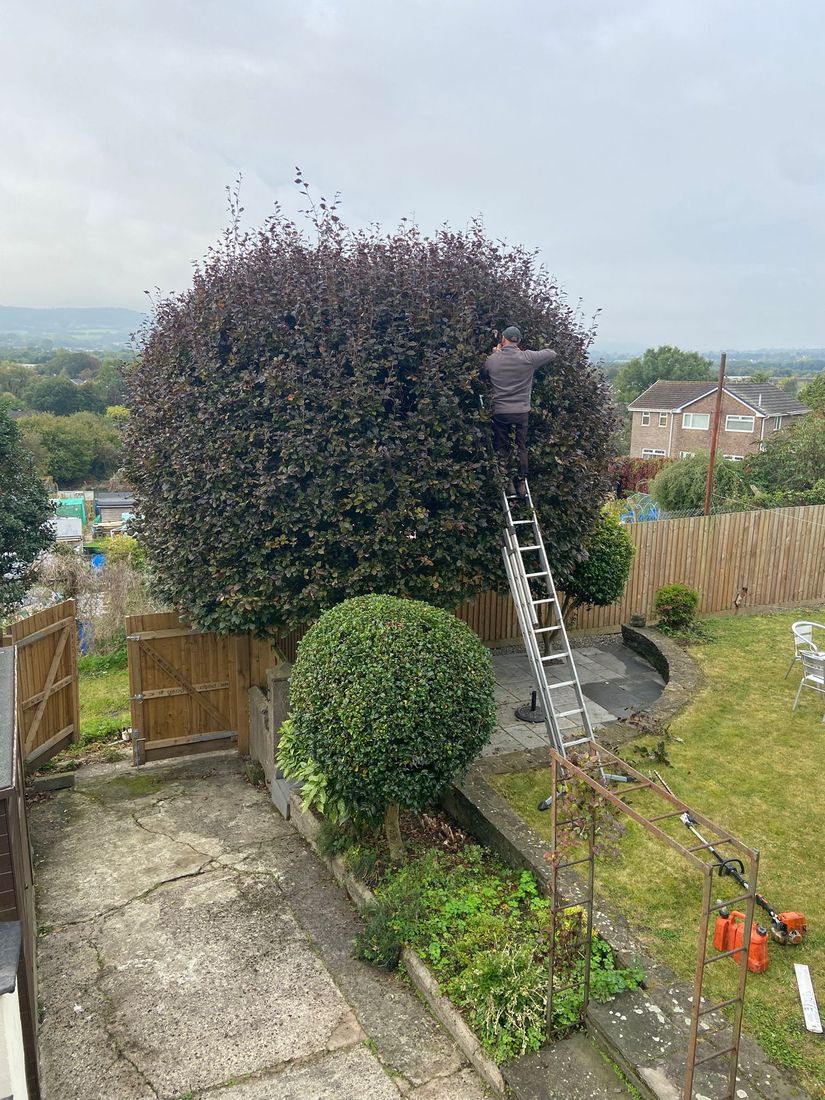
There is no single perfect month for every tree, but winter suits many species, and this guide shows how timing, nesting birds and weather affect the choice.
Read the guide →Often it does. Trees in a conservation area usually require written notice to the council before work, even if they have no preservation order. We can explain what to send and how long to wait. Notice is usually required six weeks ahead, though the council can explain.
Yes. We lower branches in controlled sections so nothing strikes the wall, and we keep our equipment clear of the stonework. Tight spaces take more care, but they are a normal part of garden work. We also lay boards where needed.
For a mature tree, smaller lifts spread over time are kinder, because each cut heals more easily. If the tree has been left for years, we may suggest doing it in two stages. Your tree's health and age will guide the decision.
Tell us what needs doing and where. We will come back to you, or call 07766 919630 if it is urgent.