Hedge cutting is priced on the job in front of us, and a handful of practical factors explain why two hedges that look similar can need very different amounts of work.
People often ask for an average, but hedges vary so much that an average would mislead you. A low privet along a front path and a tall Leylandii screen at the bottom of a sloping valley garden are very different jobs. We do not quote numbers over the phone or in articles for that reason. The reliable way to know is a free quotation after seeing the job, based on what is actually there.
The most obvious factor is how much hedge there is. A longer hedge takes longer to cut, and a taller one takes more care, equipment and sometimes extra people. Width matters as well, because a hedge that has spread outwards over the years has more surface to trim and more to clear. Cutting the top as well as both sides is more work than a simple side trim. It helps to remember that a hedge is a three-dimensional object. Adding half a metre of height or width increases the surface to be cut, the weight of the cuttings and the time on the ladder or platform, so small differences can add up to a noticeably bigger job.
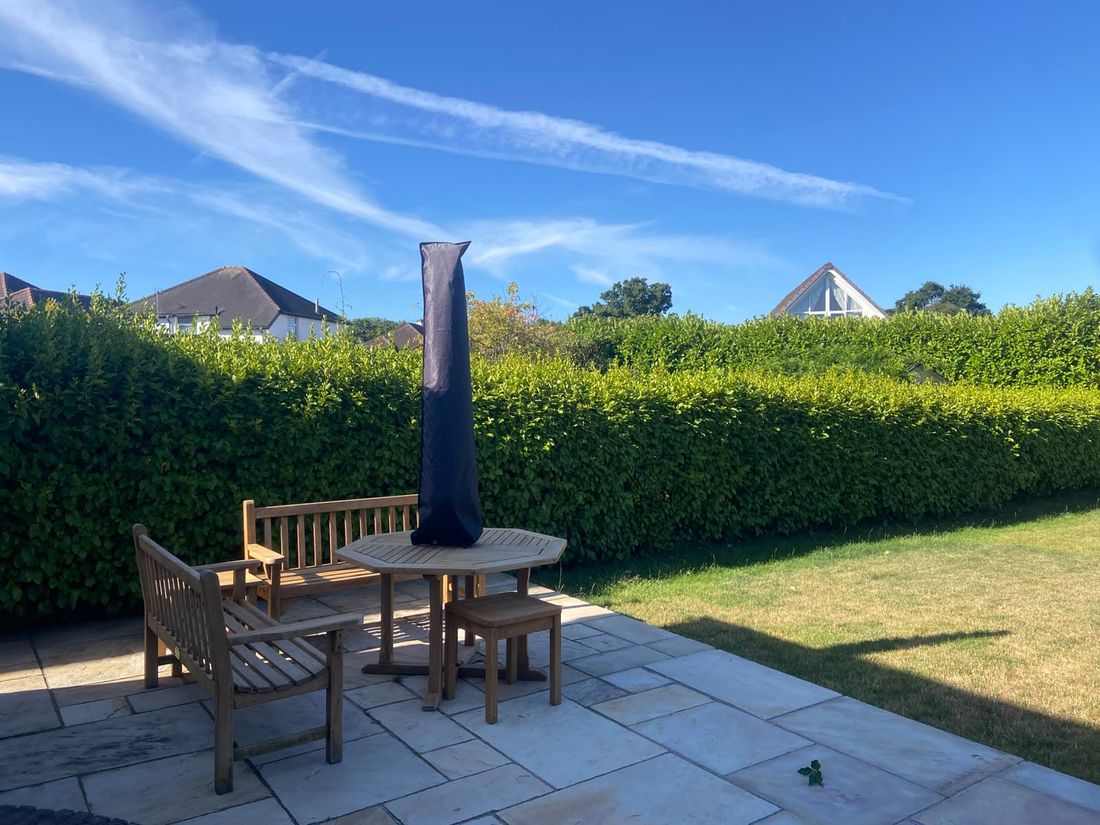
Where the hedge sits affects how easily we can work. A hedge beside an open lawn is straightforward, while one wedged behind a shed, above a steep bank or along a narrow passage takes longer. Sloping gardens are common in the valleys, and uneven ground needs more care. Think about the points below when you describe the job.
Different hedges behave differently. Beech, hawthorn and privet take regular trimming well, laurel has large leaves that need careful cutting, and conifers such as Leylandii grow fast and must not be cut back into old bare wood. A hedge that has been neglected for years needs restoration, which takes far longer than tidying one that is cut every year. Regular care is usually less work each visit. Hedges that have been cut hard in the past can also be harder to work on, with dense, woody centres, hidden wire or old fencing buried in the growth. We look for these before we start, and will tell you if anything changes what we can do.
Hedges produce a surprising quantity of cuttings. A neat trim might leave a small pile, while an overgrown hedge can fill a trailer several times over. Taking green waste away, loading it and disposing of it responsibly all add to the time and cost, so say whether you want it removed or would prefer to deal with it yourself. We leave paths swept either way. Large volumes may need several trips, and the green waste has to go to a proper disposal site. It is quite normal for the waste to be a bigger part of a job than the cutting itself, particularly on long boundary hedges.
Birds nest in hedges from spring into summer, and active nests must not be disturbed, which can limit when heavy cutting is possible. Regular visits, whether one-off or planned in advance, can help us plan the work and keep each visit simple. If your hedge needs a hard cut, tell us, as it may be better done in the colder months.
Give us the address, roughly how long and tall the hedge is, the type if you know it, and what you want done with the waste. Photographs help. We will then see the hedge, check the access and put a written figure to the job. That way you know exactly what is included before anything starts, and nothing is left to guess.
We will visit, tell you honestly what is needed and give you a free, no-obligation quotation.
We prefer not to, because we would be guessing. Height, length, access and the condition of the hedge change the work a great deal. A quick visit or a few clear photographs lets us give a proper quotation that you can rely on.
It does, as loading, carrying and disposing of it takes time and a proper disposal site. Some people compost small amounts themselves, but most choose to have it taken away. Tell us your preference when we look at the job and we will make it clear.
It does, as loading, carrying and disposing of it takes time and a proper disposal site. Some people compost small amounts themselves, but most choose to have it taken away. Tell us your preference when we look at the job and we will make it clear.
Generally, yes. A hedge cut at sensible intervals stays tidy and compact, so each visit is quicker than a big restoration cut. We can agree a schedule that suits the hedge type and your garden, and change it if your needs change.
Most garden hedges need cutting once or twice a year, but the right rhythm depends on the plant, the shape you want and the nesting season.
Read the guide →Some hedges just need a single tidy-up, while others stay manageable only with planned visits, and the right choice depends on the hedge and how you use your garden.
Read the guide →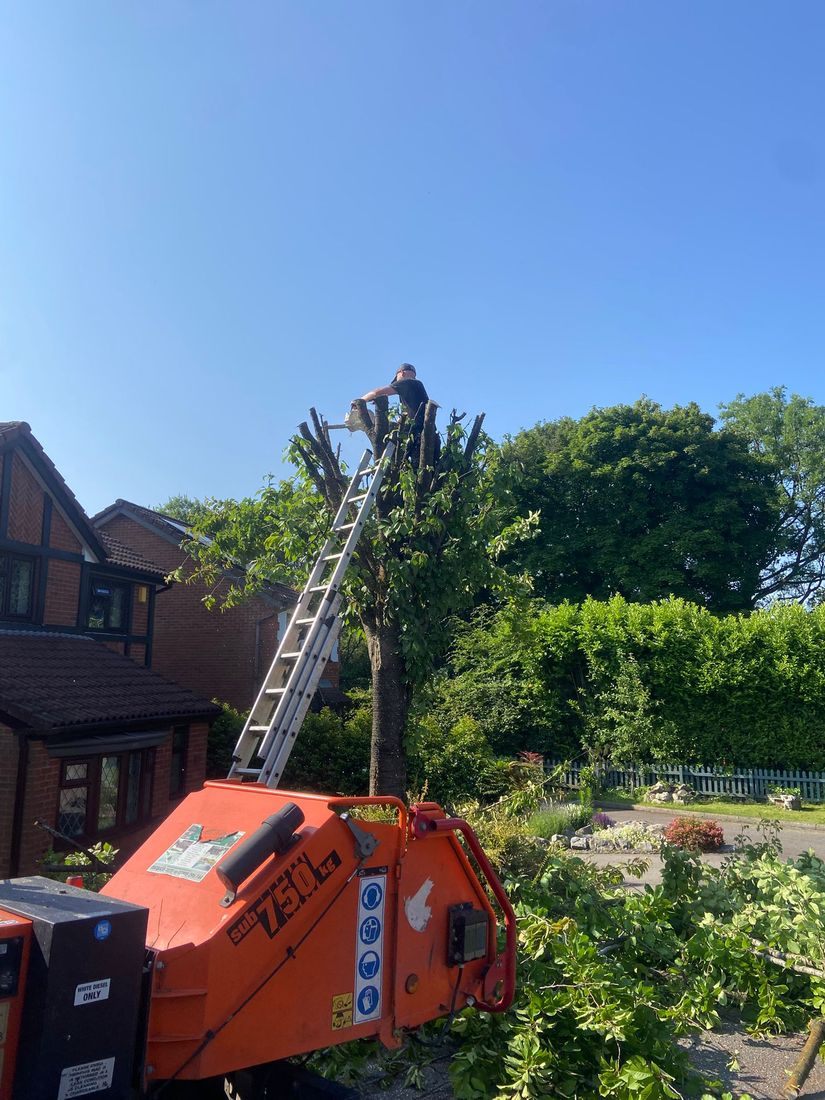
Tree surgery is priced job by job rather than from a fixed list, so this guide explains what moves the cost up or down and how to get a firm figure.
Read the guide →Tell us what needs doing and where. We will come back to you, or call 07766 919630 if it is urgent.