
For privacy, solid timber close-board or well-made lapped panels on firm posts usually work well, provided the fence suits your wind, slope and boundary.
A private fence needs three things: no gaps to see through, enough height to block the sightline, and the strength to stay upright when the wind gets up. Many fences manage the first and fail on the third, leaning after a few winters because the posts were too short or the ground was never properly firm.
So the most suitable fence is not simply the tallest or the most solid one. It is the one that matches your garden's exposure, the ground it stands on and the look you want at the boundary, whether that is a neighbour's window or a public path. That decision shapes everything that follows. We also consider how the fence will look from your own side.
Close-board fencing is made from overlapping vertical boards fixed to horizontal rails between posts. Because the boards overlap, there are no gaps, even as the timber ages and shrinks, and individual boards can be replaced if one is damaged. It is a sturdy choice for boundaries between houses and for gardens that get a lot of weather.
It looks smart and traditional, and it copes well with gentle slopes because the boards can follow the ground. The trade-off is that it takes longer to build than ready-made panels, so the labour is a bigger part of the job. It also repairs easily, one board at a time. That makes it useful for older gardens with uneven ground.
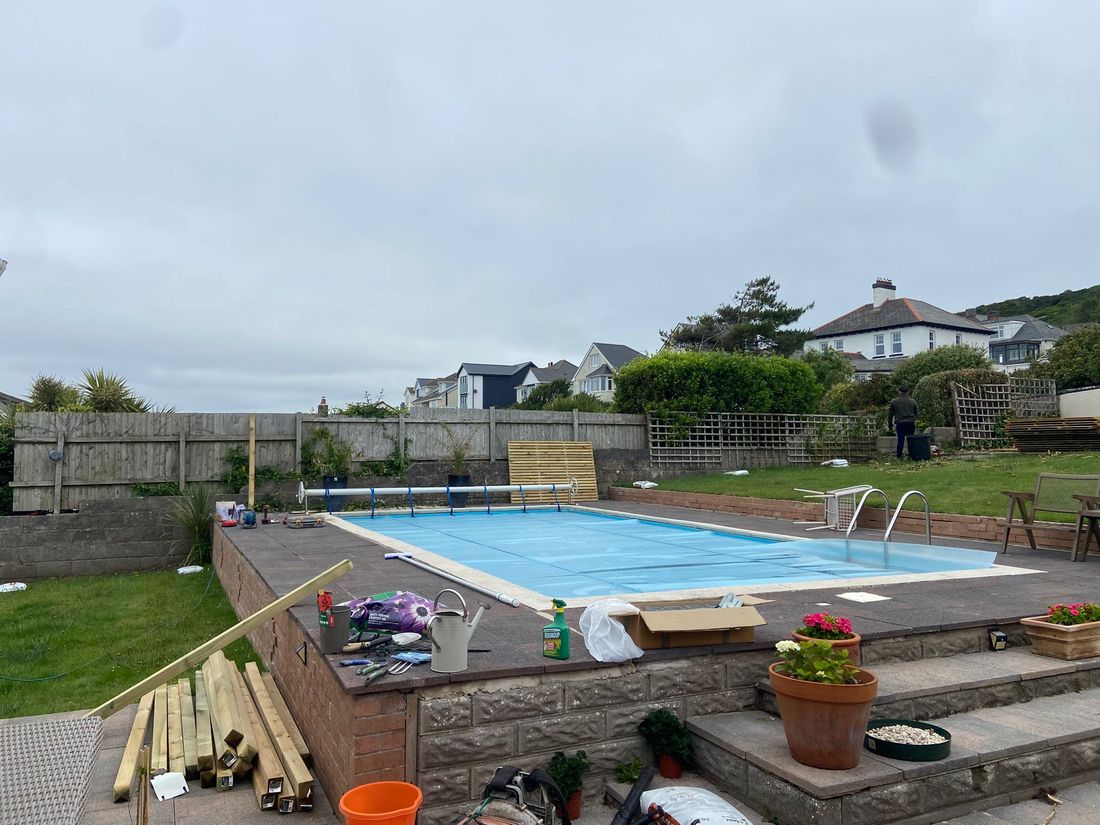
Ready-made lapped panels are quicker to install and work well for many gardens. Overlapping horizontal slats give good privacy, but thinner panels can flex in strong wind and may split sooner than heavier construction. Solid, thicker framed panels cope better, and closed-slat styles give more privacy than woven or open designs. Quality varies widely, so it pays to see the actual panels before choosing.
Decorative trellis tops add height and a lighter look, though they let some view through. On steep ground, panels step down in stages, which can leave awkward gaps at the base unless they are fitted with care. Where you want complete screening, solid boards are the safer choice. Choose the top section to suit how much light you want to keep.
The posts do most of the work. Set them deep and firmly, and choose sizes that suit the height of the fence. Gravel boards along the bottom keep the timber from sitting in damp soil, which is a common cause of rot in the wet Welsh climate and one of the easiest problems to prevent.
Coastal and hilltop gardens catch strong gusts, and a solid fence acts like a sail. In exposed spots, a slightly lower fence, or a mix of fence and planting, can ease the load on the posts. We will advise on what suits your site when we see it. Good drainage at the base of each post also helps them last.
Taller fences give more privacy but invite more wind pressure, and there are limits on how high a boundary fence can go without permission. Rules can differ from one property to the next, and homes in conservation areas may face extra restrictions, so it is worth checking with the local council before you settle on a height.
Talk to your neighbours early. Agree where the boundary lies, who owns the existing fence and whether they would like the same style. A short, friendly conversation often avoids long arguments later. If a tree stands on the boundary, tell us before work starts, as roots can affect post positions. Talking early also lets everyone plan access for the work.
A fence is not the only way to screen a garden. Hedges, climbers and tall planting soften the boundary and add height without extra wind load. Evergreen hedges can give year-round cover, though they need regular trimming and will take several seasons to thicken. Climbers on trellis or wires are another gentle way to add cover. Taller planting can also hide the fence itself, which many people prefer.
Many people use both: a sturdy fence for immediate privacy and planting in front to make it look natural. We can also trim or cut back existing hedges before a new fence goes in. The combination also gives birds and insects somewhere to shelter. This blend works particularly well for sloping gardens. Soil and light vary a lot between gardens, so choose plants that suit yours.
A good installation starts with marking the line, removing the old fence and setting the posts properly. We take the old fence away and leave the garden tidy. Access can affect the work, as can slopes, tree roots and old concrete hidden in the ground, so it helps to point out anything you know about. We can also arrange related work such as a new gate, if you want one. Please tell us if there are pipes or cables you know of in the line of the fence.
To find out the cost and the right style for your boundary, ask us for a free quotation. We will look at the site, discuss your options and explain what the fence will involve before any work begins. Allow time for the posts to settle before attaching anything heavy, and we will talk you through the care of new timber afterwards.
We will visit, tell you honestly what is needed and give you a free, no-obligation quotation.
Close-board fencing is usually the most reliable, because the boards overlap and leave no gaps as the timber ages. Heavy, closed lapped panels are also good. Open or woven styles let more view through and are therefore less private. It is worth comparing like with like.
There are limits on boundary fence heights, and they can vary with the location of the fence and the type of property. Check with your local council before choosing a tall fence, particularly if the house is in a conservation area. The council can confirm the position for your address.
Well-built ones usually stay up, but solid fences do take a lot of wind. Deep, firm posts matter more than anything else. In very exposed gardens, we may suggest a slightly lower fence or a different construction to ease the pressure. Regular checks after storms are sensible.
It is courteous to talk to them, and you should be clear who owns the boundary. If the fence is on your land and within your rights, you may not need formal consent, but agreeing it avoids disputes. Check with the council if unsure.
Timber is the familiar, adaptable choice for most gardens, while composite trades a higher outlay for less upkeep, so the right answer depends on your priorities.
Read the guide →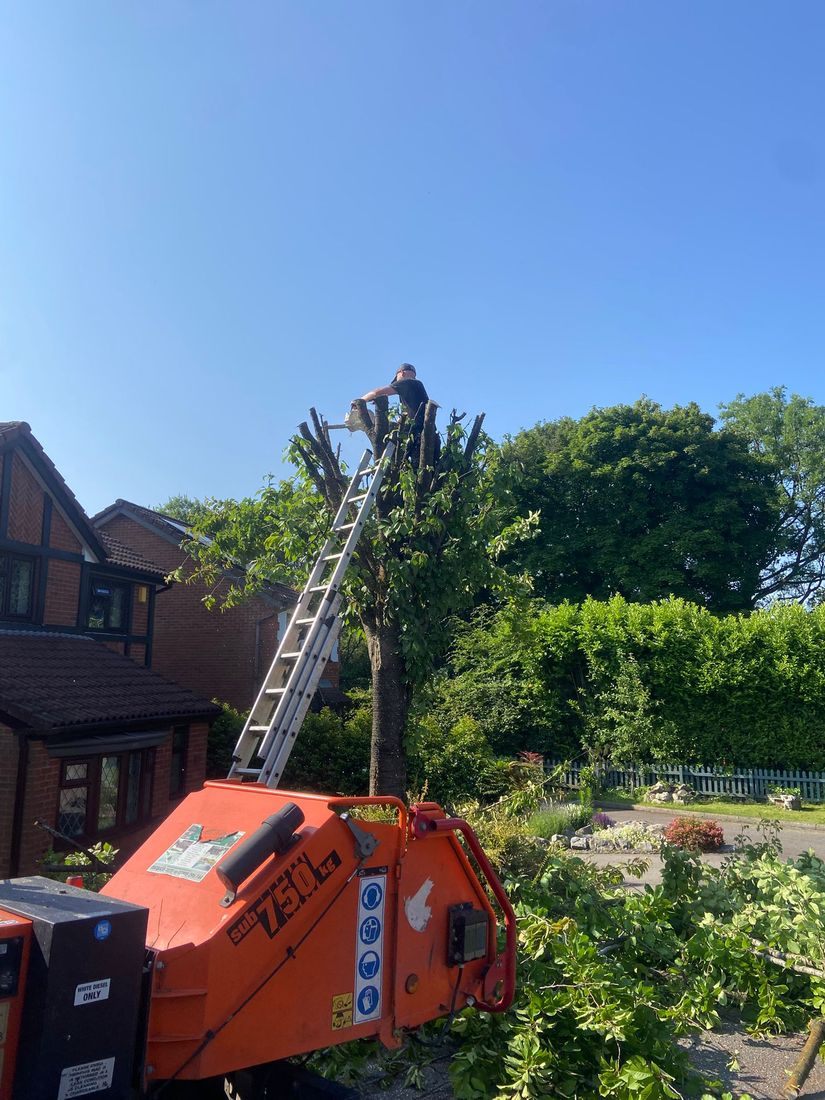
Tree surgery is priced job by job rather than from a fixed list, so this guide explains what moves the cost up or down and how to get a firm figure.
Read the guide →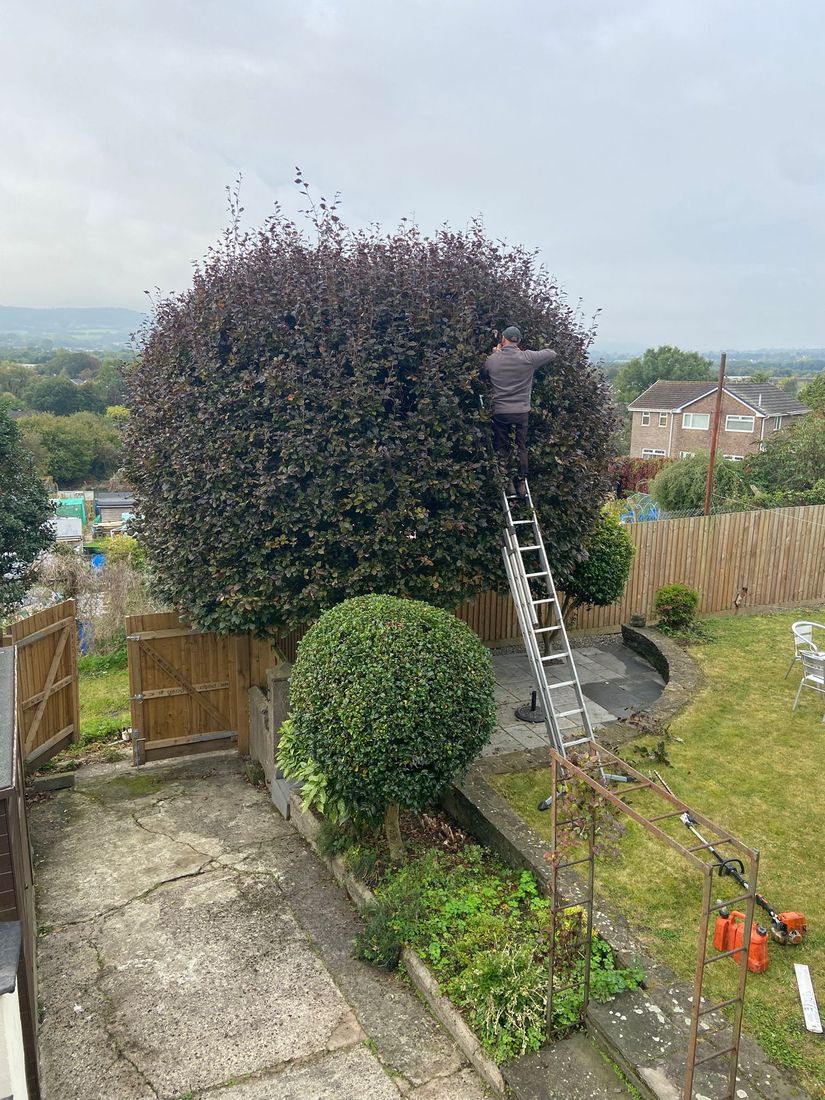
There is no single perfect month for every tree, but winter suits many species, and this guide shows how timing, nesting birds and weather affect the choice.
Read the guide →Tell us what needs doing and where. We will come back to you, or call 07766 919630 if it is urgent.