
Timber is the familiar, adaptable choice for most gardens, while composite trades a higher outlay for less upkeep, so the right answer depends on your priorities.
Timber fencing is made from treated softwood, built as close-board, lapped panels or other styles. It is the material most people picture when they think of a garden fence, and it is what we install most often. Composite fencing is made from a blend of recycled wood fibre and plastic, shaped into boards that slot between posts and are usually sold as a system.
Both can give a neat, private boundary. The differences lie in how they look as they age, how much care they need, how easily they can be adapted to awkward ground and what they cost to buy and fit. The right balance of these points depends on you and your garden, and there is no need to rush the decision.
Timber has a natural warmth that suits most house styles, from valley terraces to village cottages, and it can be stained or painted in almost any colour to match a house or garden. As it weathers, it softens into the garden, though it also fades and darkens unevenly if it is left untreated for many seasons.
Composite is more uniform. Colours are fixed at the factory and the boards have a consistent finish, which some people like for a crisp, modern look. Others find it too regular next to planting. It is worth seeing a sample in daylight before you decide. Seeing a full-length sample against your own planting makes the choice easier.
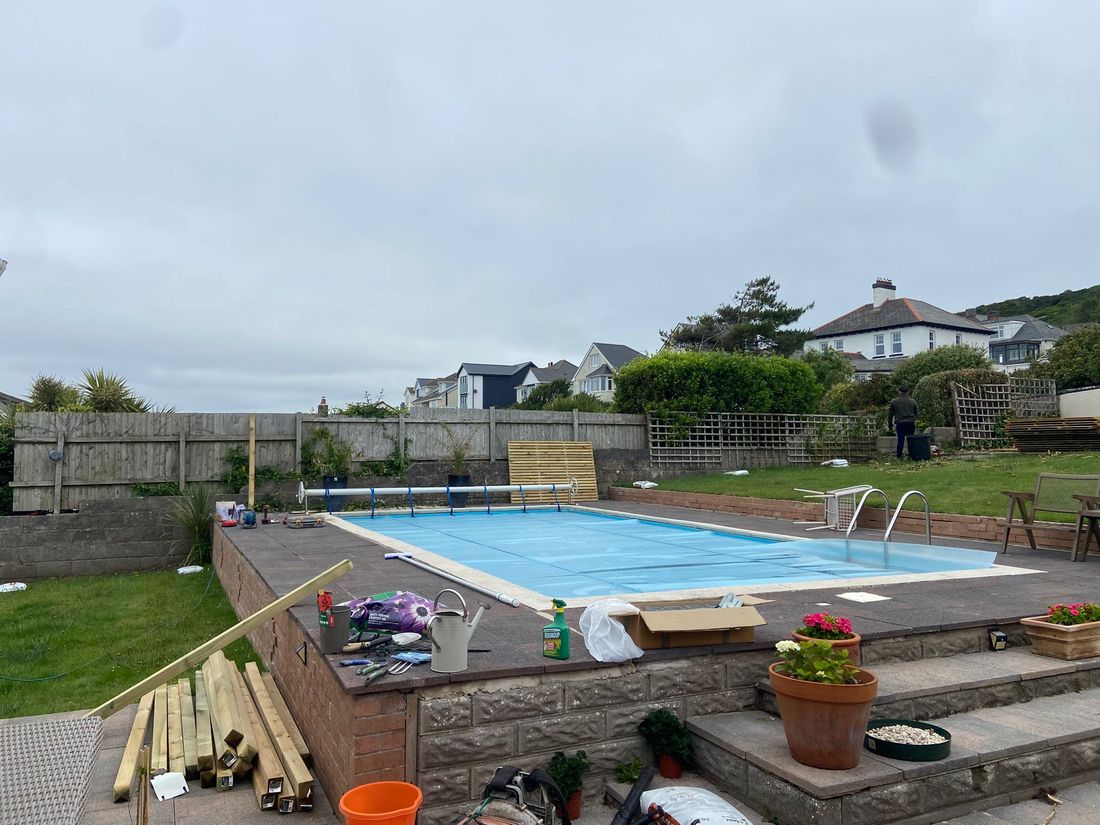
Wet weather is the main test for any fence. Timber needs a little care to last, usually a fresh coat of preservative or stain every so often, and gravel boards at the base to stop the wood sitting in damp soil. Neglect shows up as green algae, greying and eventually soft, rotting boards. Whichever you choose, a little attention to drainage at the base pays off in every season.
Composite needs far less attention, because it does not rot and does not need to be treated. An occasional wash to remove algae or dirt is usually enough. The posts still matter, though, and a composite fence still depends on firm footings. This is the main reason people choose it, and it is a fair one if you dislike jobs in the garden.
Timber is easy to adapt. Boards and rails can be cut on site to follow a slope, step round a tree or fit an odd corner, and a damaged board can be swapped out without replacing the whole run. That flexibility is a real advantage in sloping valley gardens and older plots with uneven boundaries.
Composite panels are heavier and more rigid, and they are designed to fit set sizes. On exposed hilltops and coastal gardens, any solid fence needs strong posts. Composite can work well, but awkward ground and unusual layouts may limit how neatly it can be fitted. We will tell you honestly if your layout suits one better than the other.
Composite generally costs more to buy than timber, and the difference is often the first thing people notice. Over a long period, lower upkeep may offset some of that, but it depends on how well you would maintain a timber fence and how long you plan to stay. Costs also depend on the style and quality within each material, so comparing like with like is essential.
The price of the job as a whole also depends on the length and height of the run, the number of posts, ground conditions, slopes, access, removing and disposing of the old fence, and any gates. We do not quote numbers in articles, but we are happy to price both materials so you can compare them directly.
Choose timber if you want flexibility, a natural look, a wide choice of styles and the ability to repair or restain over time. It suits most gardens and most budgets, and the work is quicker to arrange. Choose composite if low upkeep matters most to you and the layout is straightforward and regular. Both are sound choices when fitted properly.
Whichever you pick, agree the boundary and ownership with your neighbours first, and check any height limits with the council, especially if your home is in a conservation area or has special conditions. If a tree or shared wall sits on the line, tell us in advance so we can plan around it. It is a short step that saves trouble later.
The simplest way to compare is to see the real thing in your own garden. We will look at the boundary, discuss the materials and explain what the job involves, including taking away the old fence and leaving the site tidy. We are happy to bring examples of both materials to show you in your own light.
Ask us for a free quotation and we will give you clear, written details for the option you prefer, so that you can decide without pressure and plan the work for a suitable time of year. If you are undecided, we can price both so the difference is clear before you commit to anything. Timing is flexible.
We will visit, tell you honestly what is needed and give you a free, no-obligation quotation.
It can resist rot and weathering better, so it often needs less care, but a well-built, well-maintained timber fence can last a long time too. In either case, firm posts and good drainage at the base matter as much as the boards themselves. Poor posts or bad drainage will shorten the life of either material.
It depends on how much you value low maintenance. If you do not enjoy treating fences, composite may suit you. If you prefer a natural look and flexibility, timber is likely to be more suitable. We can price both. Our advice is to be realistic about the care you will actually give a fence.
Both can cope if the posts are set deep and firm. Timber should be treated and kept off wet ground, while composite is naturally resistant to damp. Very exposed sites may need lower or less solid designs to ease wind pressure. In wet weather, check gates and fixings occasionally.
Yes. Some people use timber posts and rails with composite boards, or combine a timber fence with composite gravel boards at the base. It can be a sensible way to protect the most vulnerable part of a timber fence. Mixing materials can look good if the colours are chosen with care.
For privacy, solid timber close-board or well-made lapped panels on firm posts usually work well, provided the fence suits your wind, slope and boundary.
Read the guide →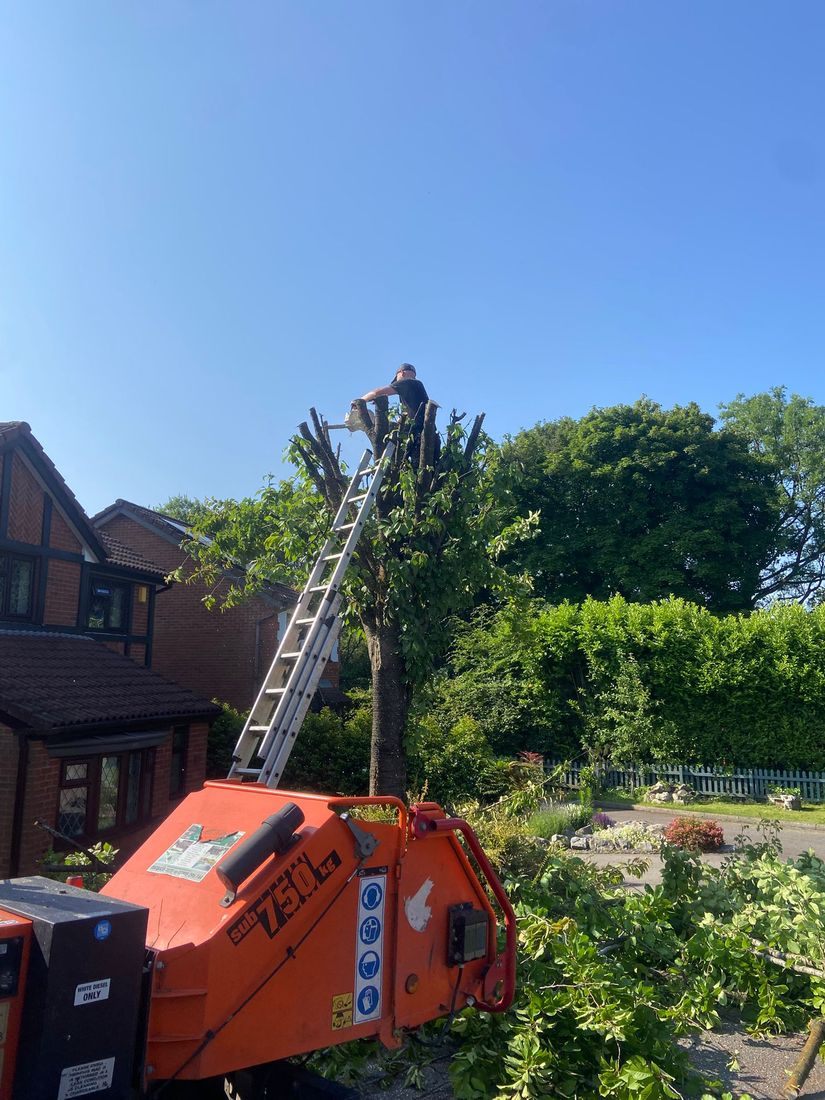
Tree surgery is priced job by job rather than from a fixed list, so this guide explains what moves the cost up or down and how to get a firm figure.
Read the guide →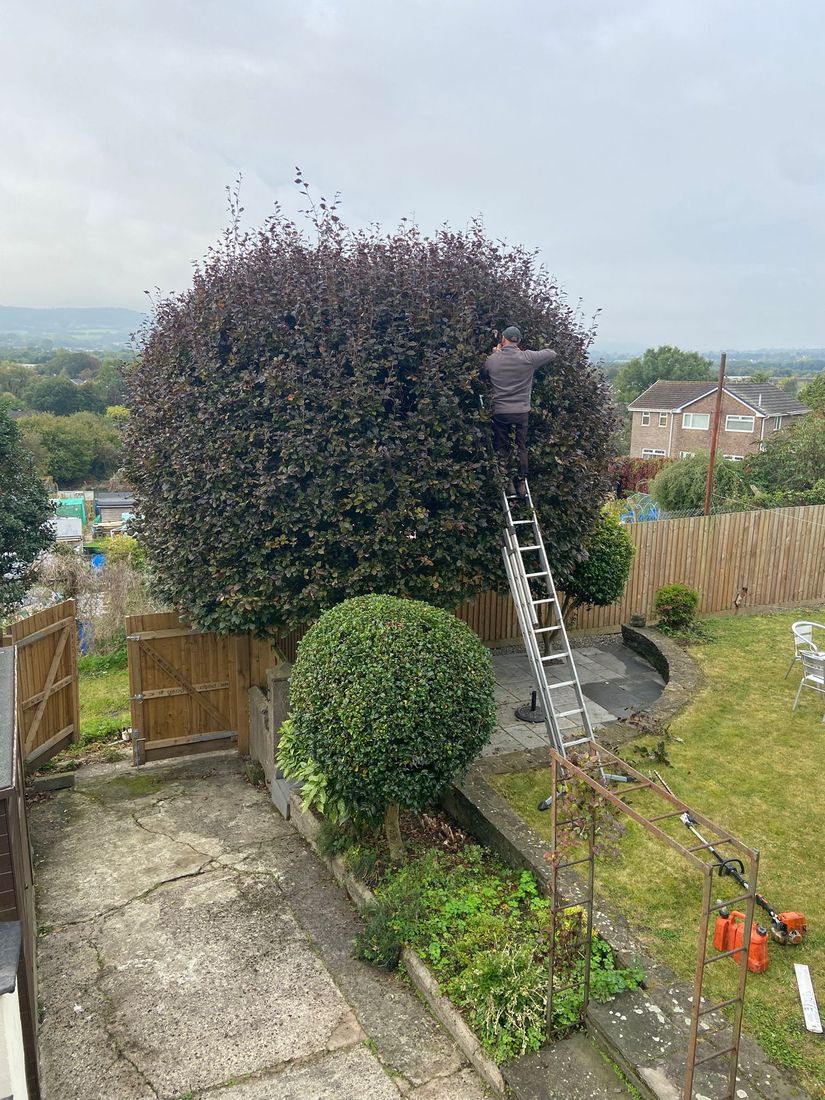
There is no single perfect month for every tree, but winter suits many species, and this guide shows how timing, nesting birds and weather affect the choice.
Read the guide →Tell us what needs doing and where. We will come back to you, or call 07766 919630 if it is urgent.