An overgrown hedge can be brought back under control, but the best way to do it depends on how far it has gone. Here is how restoration works and when it is better done in stages.
When a hedge is left for several seasons it starts to cause problems. It blocks light to the garden and the windows, it narrows or covers paths and steps, and growth pushes out over fences and onto neighbouring land. A hedge that was neat when planted can swallow a front garden, and people searching for overgrown hedge cutting Cardiff gardens need are usually dealing with exactly this.
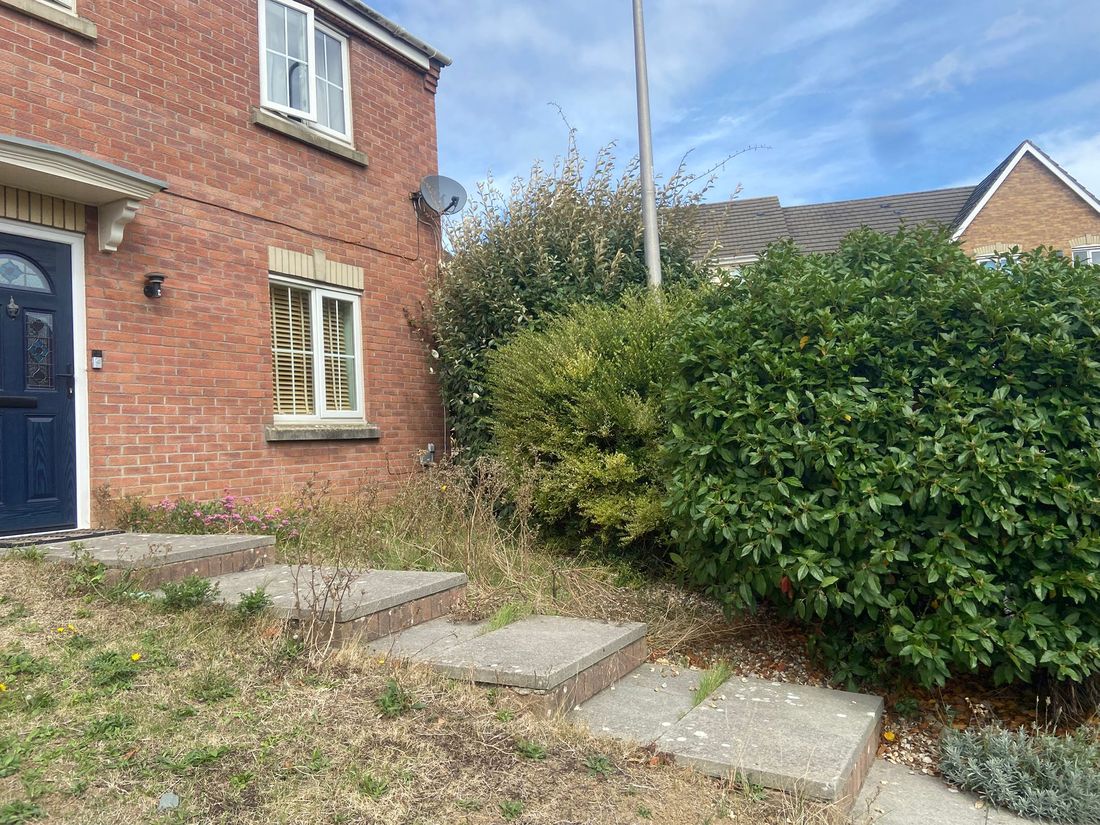
It is easy to stop noticing a hedge that grows a little each year. These are the signs that it has passed the point of a simple trim:
If you recognise two or three of these, the hedge probably needs restoring rather than trimming.
Overgrown hedge trimming Cardiff jobs start with an assessment. We look at how thick and tall the hedge has become, what species it is and whether there is healthy green growth to cut back into. A neglected hedge cutting job generally has three stages: cutting back the height, cutting back the width, and clearing the large amount of waste.
Hedge restoration Cardiff owners ask for is not a single cut. A hedge that has grown wild is brought back to a shape that can then be kept up with regular trimming.
Some hedges cannot take everything off at once. Conifers, in particular, will not regrow from old bare wood, so cutting too hard can leave permanent brown patches. Even hedges that do regrow can be stressed by a severe cut. In those cases we may reduce the hedge over two seasons, taking part of the growth off now and finishing next year.
If you are unsure how hard your hedge can be cut, tell us and we will say what we think when we see it.
An overgrown hedge often hides what is behind it, such as old fencing, wire or a path that has disappeared. We check for these before cutting. We can clear the cuttings away, which on an overgrown hedge is a large part of the job.
Once the hedge is back to size, a regular trim keeps it there. A small amount of cutting each year is far less work than another restoration. Our guides on how often to trim garden hedges and on regular maintenance explain how to set that up.
We will visit, tell you honestly what is needed and give you a free, no-obligation quotation.
Very few hedges are beyond help, but some cannot take a hard cut in one go. We assess the hedge and tell you what is possible.
Most broadleaf hedges shoot again from old wood. Conifers often do not, so those need care.
Yes, if you want them taken away. Overgrown hedges produce a lot of waste, so tell us when we visit.
Regular trimming, ideally once or twice a year, depending on the hedge.
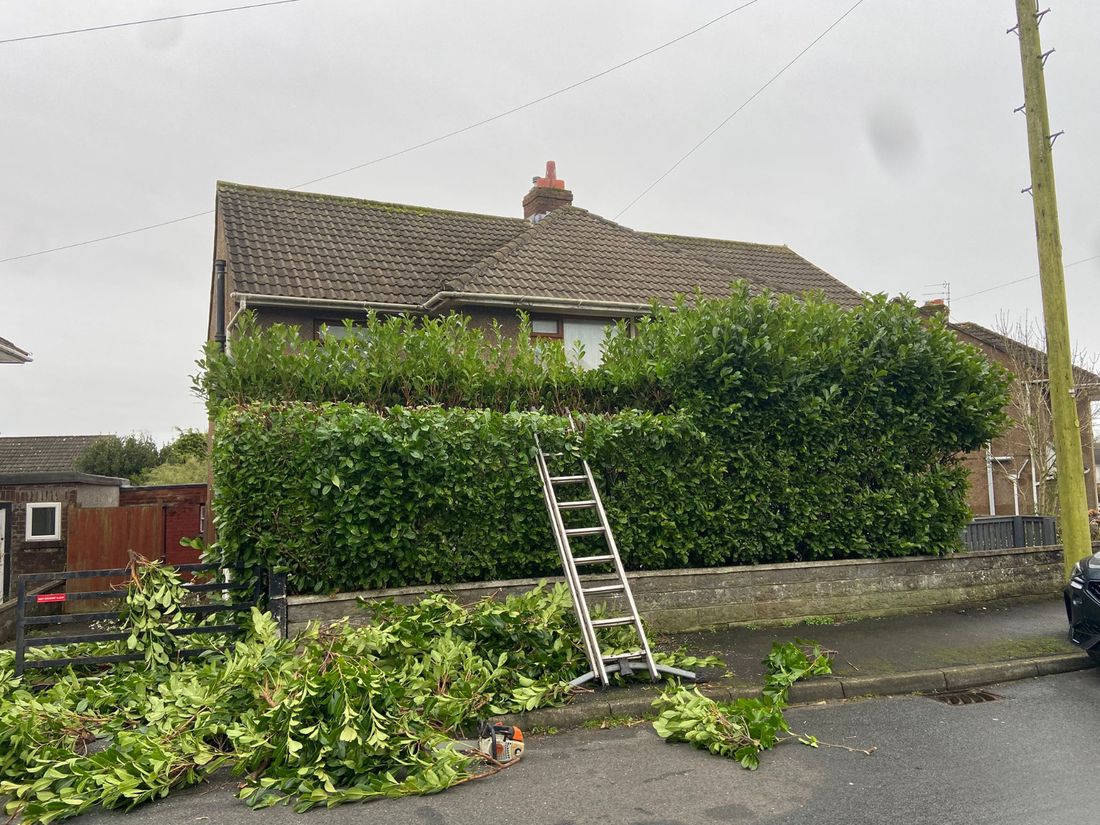
A large hedge that has outgrown its space can be brought back down in height and width, but how it is done depends on the plant, the access and how long it has been left to grow.
Read the guide →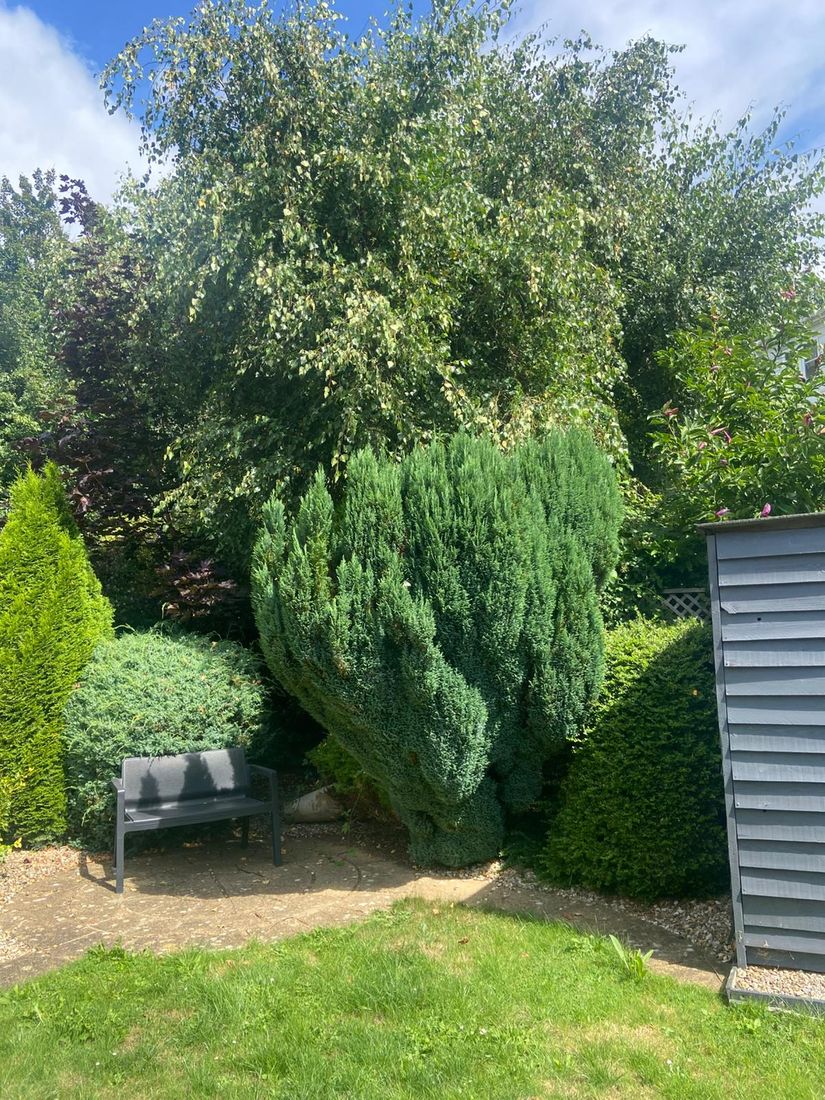
Leylandii and other conifer hedges grow quickly and have to be cut with care. Here is how regular trimming, height management and the old-wood problem work in practice.
Read the guide →
A hedge that is trimmed regularly stays neat, thick and easy to manage. Here is what scheduled hedge maintenance involves, when to cut and whether a one-off or a regular visit suits you.
Read the guide →Tell us what needs doing and where. We will come back to you, or call 07766 919630 if it is urgent.