A large hedge that has outgrown its space can be brought back down in height and width, but how it is done depends on the plant, the access and how long it has been left to grow.
Large hedge reduction is cutting a hedge back by a good deal more than a routine trim. Instead of clipping the surface, the aim is to take the hedge down in height, width or both so it fits its space again. If you are searching for large hedge reduction Cardiff gardens call for, this is the kind of job we mean: hedges that have crept up past a fence line, narrowed a path or started to crowd the house.
Because more growth comes off than in an ordinary cut, the work needs planning. How far the hedge can safely be taken back depends on what it is, how healthy it is and how long it has been since it was last cut.
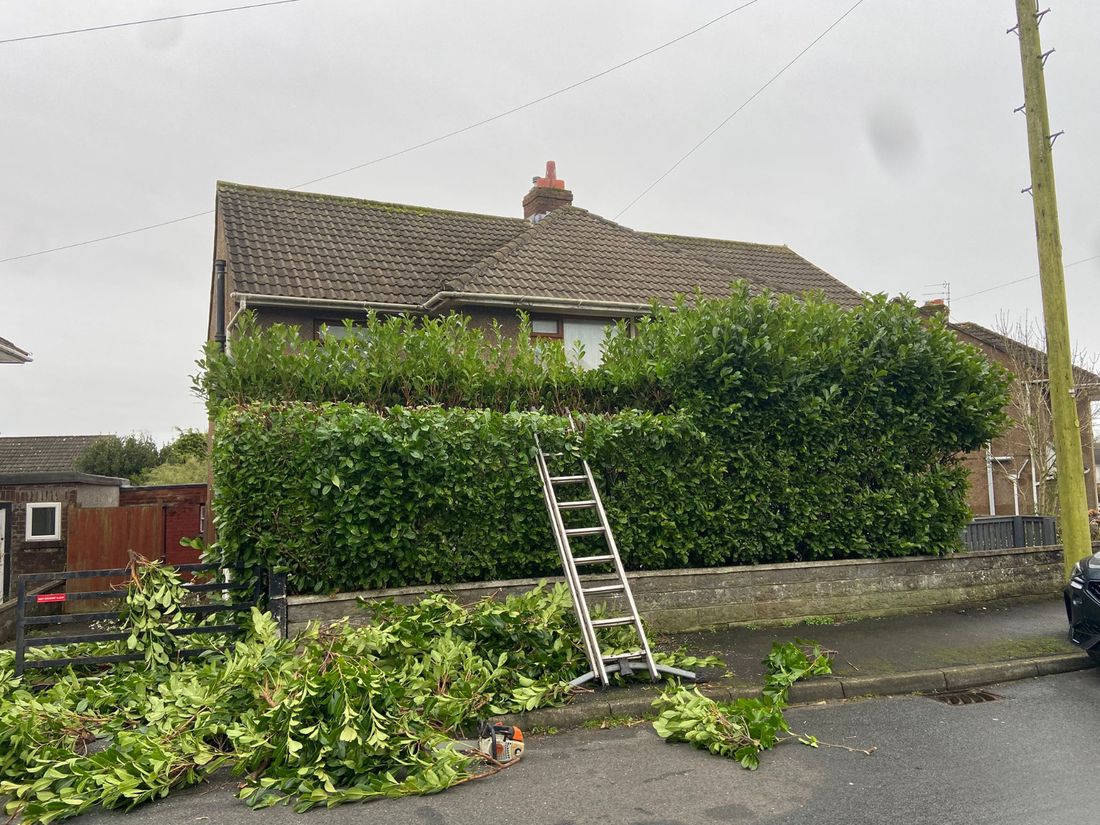
The reasons are usually practical. A hedge that has grown too tall can shade the lawn and take light from windows. One that has spread outwards can narrow a path, block a gate or lean over a boundary. Overgrown hedge reduction Cardiff householders ask for is often about getting daylight and usable space back, not changing the look of the garden.
Hedge height reduction Cardiff gardens need is also about keeping the hedge manageable. A hedge reduced to a sensible height is easier to keep tidy afterwards, and regular trimming then keeps it from building up again.
Not every hedge responds to hard cutting in the same way. Hedges such as privet, beech and hawthorn will normally shoot again from older wood, while conifers like Leylandii will not reliably regrow from bare brown wood. Cut too hard into a conifer and you can be left with brown patches that never fill in. For that reason we look at the species and the condition of the hedge before deciding how much to take off, and we will tell you honestly if a hedge is better reduced in stages.
Our guide to reducing the height of overgrown conifers covers the conifer case in more detail, and there is more on the Cardiff side in our article on conifer and Leylandii hedge cutting.
The top is usually brought down first, to a height agreed with you, and the sides are then cut back to the new width. A hedge looks and grows best when it is slightly narrower at the top than at the base, so that light can reach the lower leaves. Cutting the sides straight up and down, or leaving the top wider than the bottom, tends to leave the bottom thin and bare.
Where the hedge has to come down a long way, a two-stage approach can be kinder to it: reduce part of the way now, then take it down to the final size in the next season once it has regrown. We will say when we think that is the better route.
A large reduction produces a lot of cuttings and often needs ladders or a working platform. When we visit we check how we get to the hedge, whether there are steps, slopes or fences in the way, and where the cuttings can be gathered. Tell us if you want the waste taken away. A hedge reduction can fill a surprising number of loads, and it is usually the clearing up, not the cutting, that takes the time.
A quotation for a large hedge reduction should say how far the hedge will be taken back, to what height and width, and whether the cuttings are being removed. We agree those points with you at the visit, so you know what the finished hedge will look like before we start.
If you are searching for tall hedge cutting Cardiff wide, the same principles apply, with extra planning for working at height. For hedges well above head height, our article on tall hedge cutting in Cardiff covers the safety side.
Birds nest in hedges, and a nest that is in use is legally protected. The bird nesting season is a guide rather than a fixed rule, with most nesting from roughly March to July and some into late summer. Heavy reduction is generally best planned for autumn and winter. If we find an active nest the work has to wait.
We will visit, tell you honestly what is needed and give you a free, no-obligation quotation.
It depends on the species and its condition. Privet, beech and hawthorn tolerate hard reduction better than conifers. We assess the hedge first and tell you if it needs reducing in two stages.
Most broadleaf hedges will shoot again and thicken up. Conifers such as Leylandii will not regrow from old bare wood, so those need more care.
Often it can, but active nests are protected by law and work has to stop if one is found. Autumn and winter are usually the easiest times for heavy reduction.
Yes, if you want us to. Tell us when we look at the job so the quotation covers it.
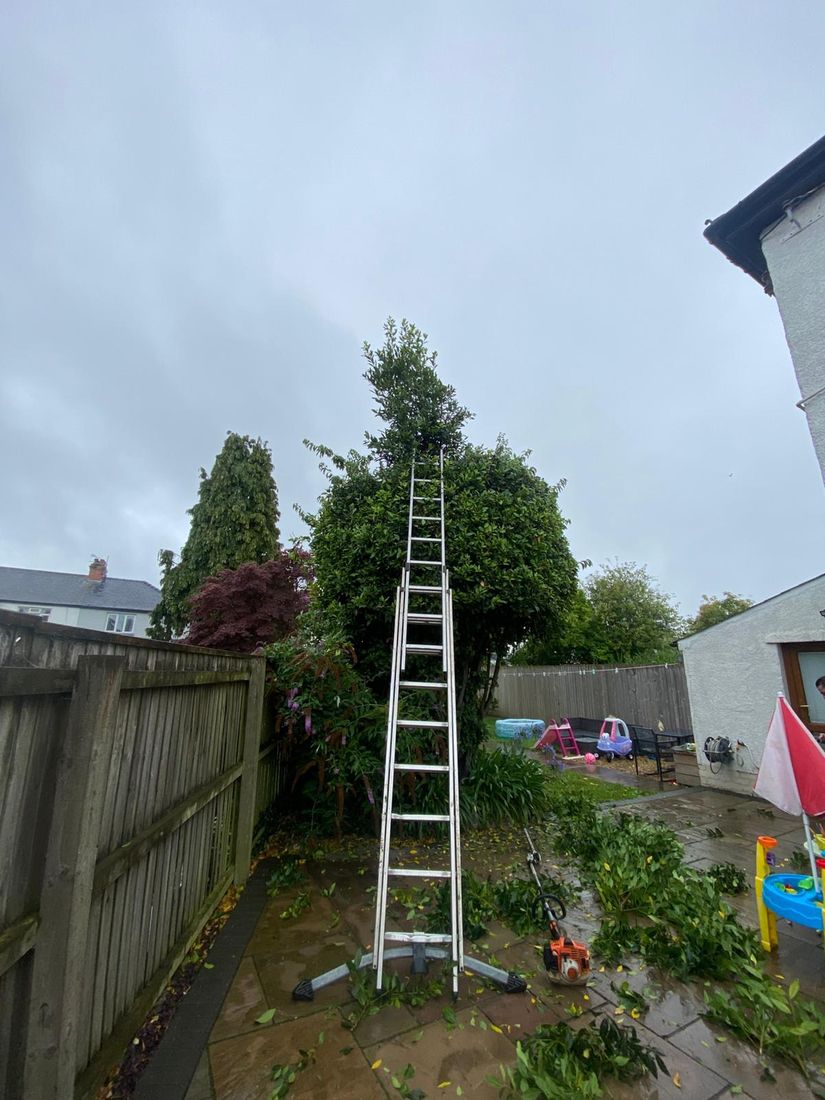
Cutting a tall hedge is a different job from trimming a low one. Height changes the equipment, the safety planning and the amount of waste, which is why it is usually best left to professionals.
Read the guide →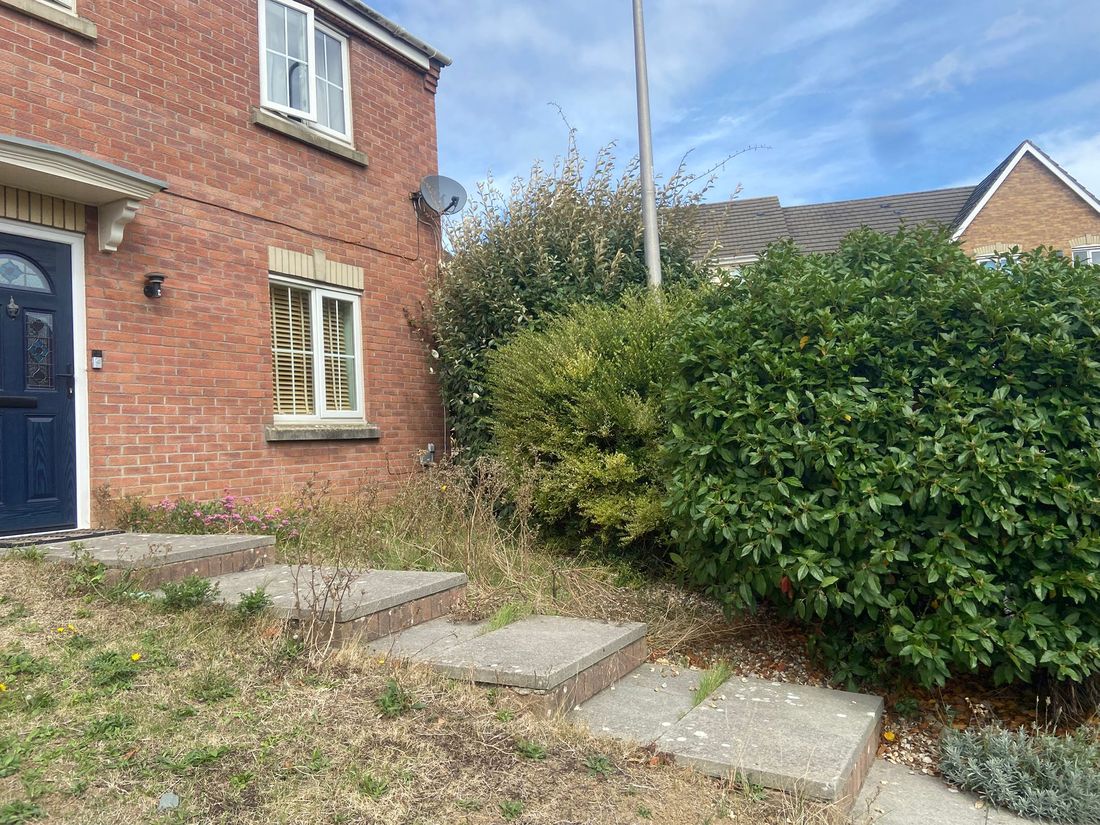
An overgrown hedge can be brought back under control, but the best way to do it depends on how far it has gone. Here is how restoration works and when it is better done in stages.
Read the guide →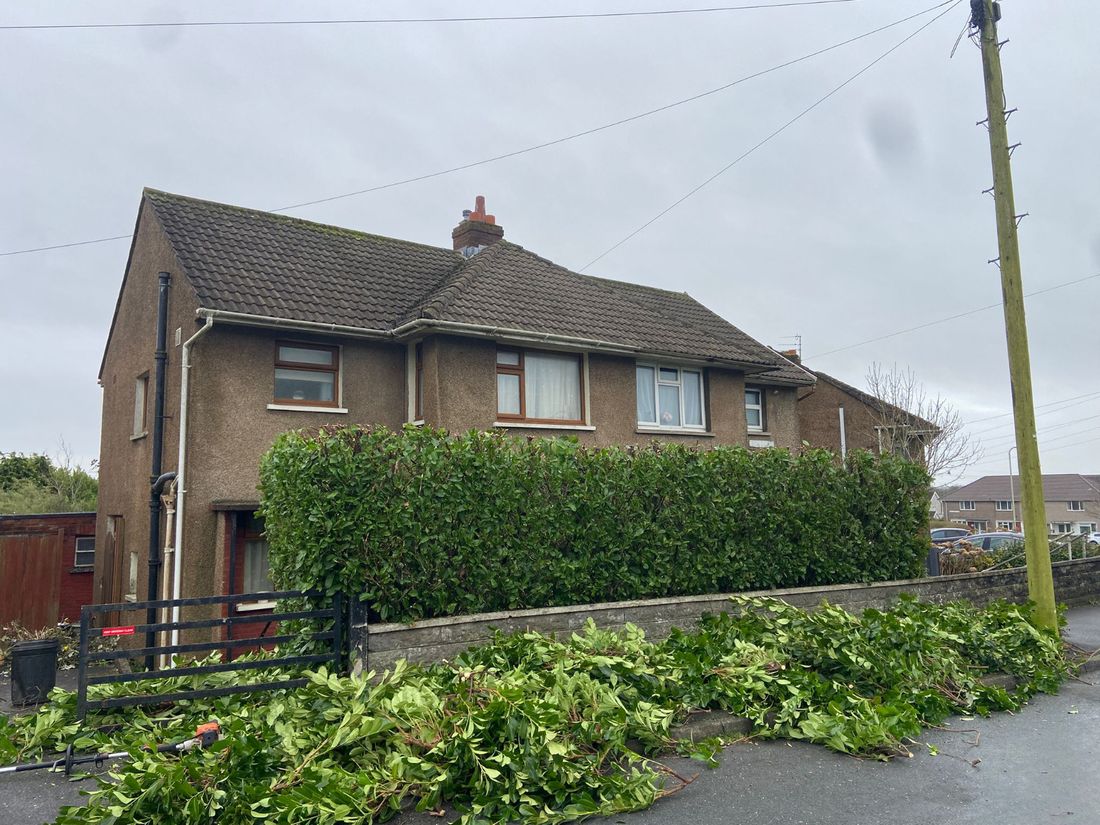
Hedge cutting prices in Cardiff depend on the hedge in front of us, not a fixed list. This guide explains what moves a quotation up or down and what to tell us so the figure is accurate.
Read the guide →Tell us what needs doing and where. We will come back to you, or call 07766 919630 if it is urgent.