
A gravel garden can cut mowing and weeding, but only if the ground is cleared and prepared properly first, and the planning matters more than the stones.
If you are tired of mowing, edging and weeding, a gravel garden has obvious appeal. It suits small front gardens, awkward sloping plots and shady corners where grass struggles. Done well, it looks tidy all year, copes with wet Welsh weather and leaves you more time to enjoy the space. Done badly, it becomes a weedy, patchy surface that is harder to look after than the lawn it replaced. Gravel also suits people who are away often, rent out a property or find the garden hard to manage. It stays presentable between visits, and there is no grass to outgrow its welcome in a warm, wet spell.
Be realistic. A gravel garden needs far less work than a lawn, but it is never entirely free of care. Leaves fall onto it, seeds blow in and weeds find a foothold in any thin layer of dirt. Occasional raking, a quick weed and a tidy now and then keep it looking good. The point is that these jobs take minutes, not hours, and can be done at any time of year.
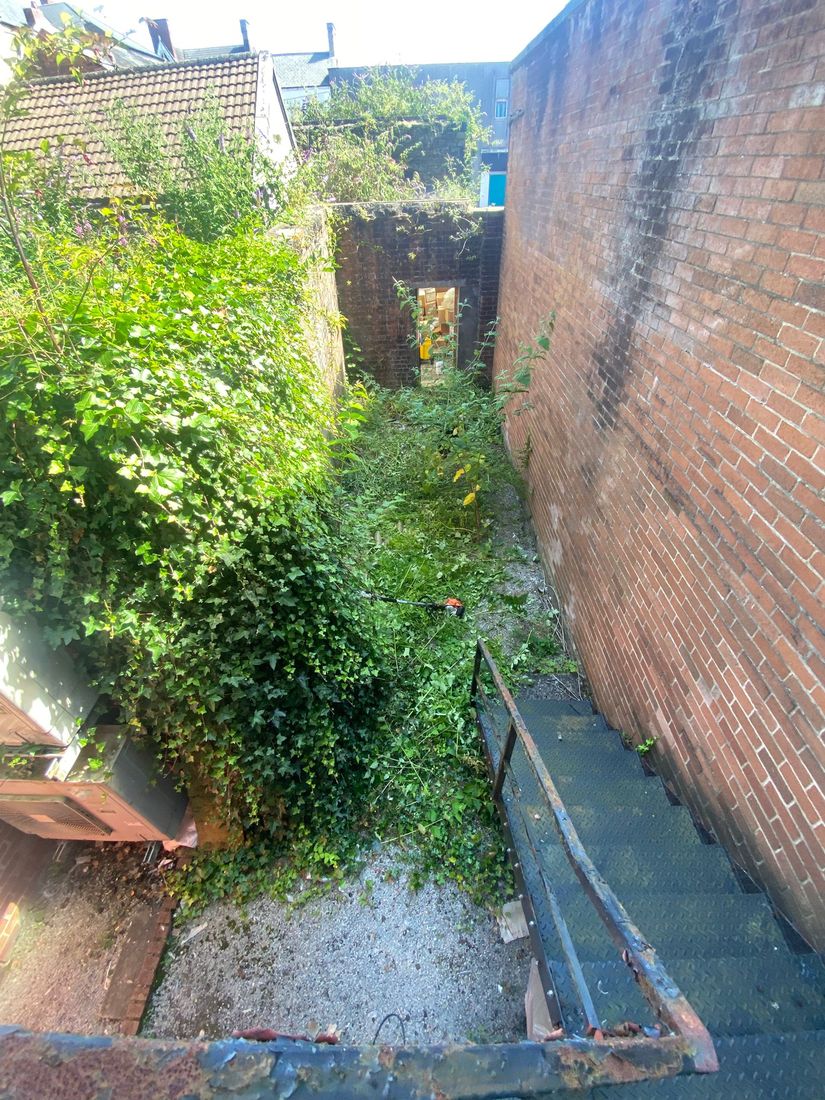
Almost all of the success of a gravel garden comes from what is underneath. Old turf, brambles, roots and weeds need to be cleared first, and the ground levelled and firmed. Perennial weeds left behind will come up through any membrane. This is where garden clearance helps, as we can strip the plot, take the waste away and leave a clean base ready for the next stage.
South Wales is wet, and many gardens slope. Gravel drains well, but only if water has somewhere to go. Think about where run-off will head, especially on hillside plots and near walls and doors. Heavy clay soils in some areas hold water, so the ground may need a proper base rather than stones laid straight on top. Avoid sending water towards the house or onto a neighbour's land. On steep valley plots, a gravel surface can wash or slide after heavy rain unless it is held in place by edging, steps or terracing. Planning for water before anything is laid saves a lot of regret later.
Gravel moves. Without firm edging it spreads onto lawns, paths and pavements, so a solid border is worth including. A weed membrane helps suppress growth but does not make the surface weed-proof, and it does its job under a decent depth of stone. Choose a size that is comfortable underfoot: very fine gravel is easier to walk on, while coarse stone locks together on slopes and in busy areas.
Gravel works well alongside other garden features. A patio or paved seating area gives you a solid surface for furniture, artificial grass gives a green patch for children and pets, and a few well-chosen plants, shrubs or pots add life and softness. Planning these together avoids tearing up finished work. Think too about fencing and screening, which can make a small plot feel more private.
Start by deciding how you will use the space, then work backwards to the ground work. Tell us the size of the plot, what is growing there now and what you would like to end up with. We will see the site, explain what clearing and preparation are needed, and give you a free quotation after seeing the job, so you can plan the stages sensibly.
We will visit, tell you honestly what is needed and give you a free, no-obligation quotation.
Some will. Seeds blow in and settle in leaf litter and dust, whatever is underneath. Proper clearing, a membrane and a good depth of stone reduce the problem a great deal, and a quick weed now and then is usually all it takes.
Yes, with care. Loose stone can slide on steep ground, so it helps to use edging, steps or terraces and to choose a coarser, angular gravel that locks together. Make sure that water drains away from the house and neighbouring land as well.
Yes. We can clear overgrown lawns, borders, brambles, old fences and rubbish, take everything away and leave a clean, clear plot. That gives whoever lays the surface a proper start, and helps the finished garden stay tidy and easy to look after for longer.
Usually not for gravel alone, but rules on drainage and on paving over front gardens, and any works near the road or in conservation areas, can apply. Check with your local council if you are in any doubt before any work begins on site.
The cost of garden clearance depends on how much there is to remove, how easily it can be reached and what has to be taken away.
Read the guide →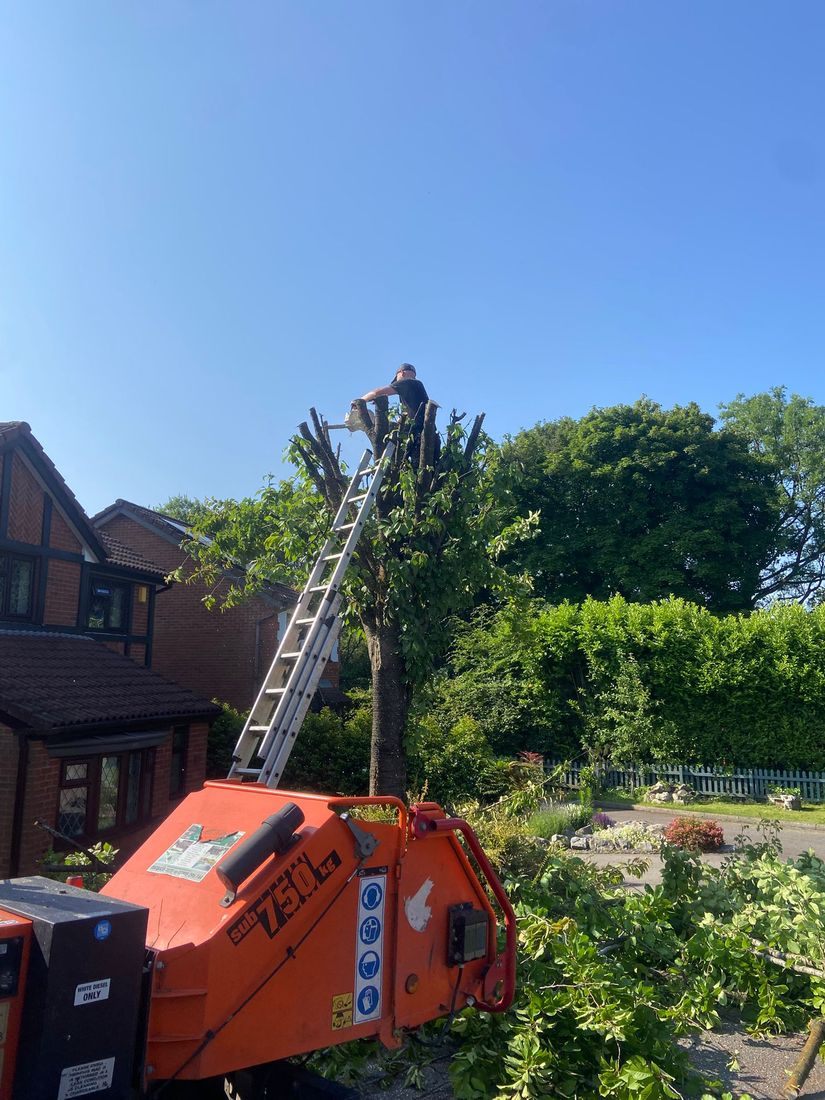
Tree surgery is priced job by job rather than from a fixed list, so this guide explains what moves the cost up or down and how to get a firm figure.
Read the guide →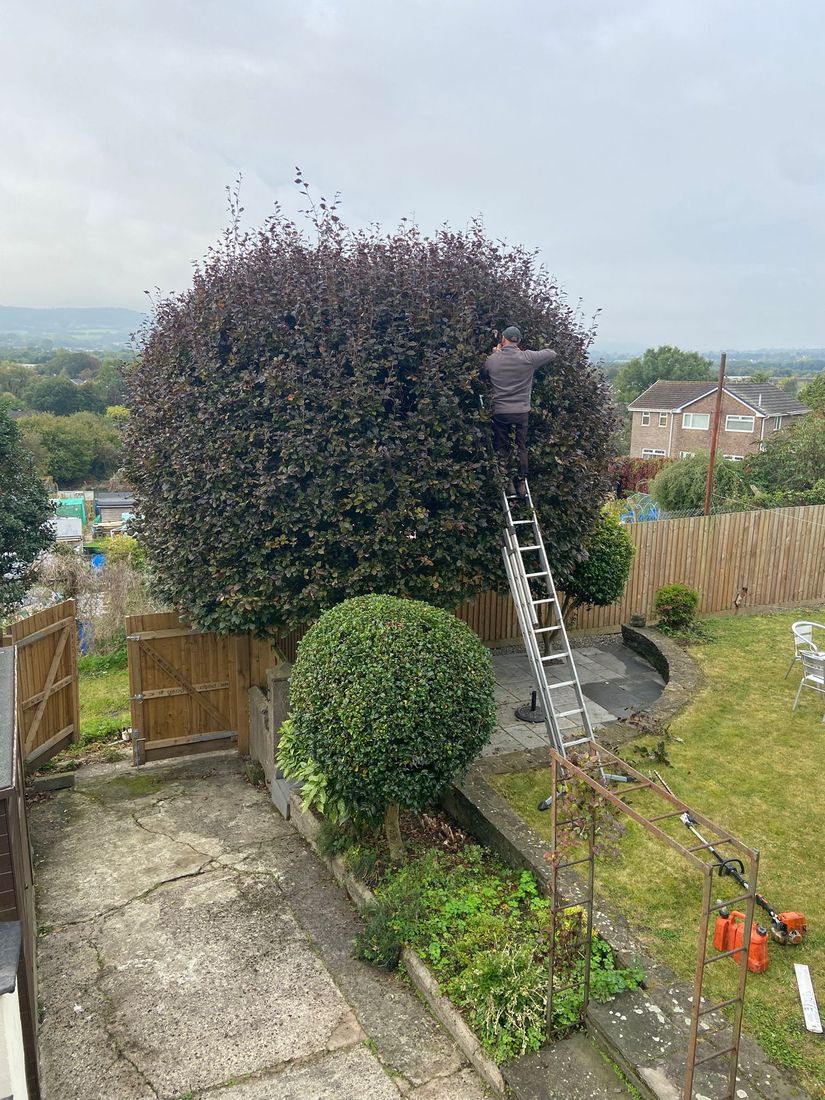
There is no single perfect month for every tree, but winter suits many species, and this guide shows how timing, nesting birds and weather affect the choice.
Read the guide →Tell us what needs doing and where. We will come back to you, or call 07766 919630 if it is urgent.