
The cost of garden clearance depends on how much there is to remove, how easily it can be reached and what has to be taken away.
Two gardens of the same size can need very different amounts of work. One might be a tidy lawn with a few shrubs and a pile of old fence panels, while the other hides years of brambles, ivy, rotten timber and builders' leftovers. Anyone quoting a figure without seeing the garden is guessing, and a guess tends to change once the work begins.
That is why we talk about what drives the cost rather than naming a number. Once you understand the factors, you can judge a quotation sensibly and spot anything that has been left out of it. Every garden is different, and that is a good reason to ask for a visit. We are glad to talk through the options with you in plain terms.
The bigger the area, the more time and labour it takes, but density matters even more than size. Thick bramble, waist-high weeds and tangled ivy must be cut, cleared in stages and carried out, which is slow work. A large garden that is mostly open grass can be quicker than a small, jungle-like back plot.
Hidden items add to the effort. Old paving, buried rubble, broken glass, abandoned sheds and wire fencing often come to light only once the growth is cut back, and each of them needs careful, safe handling before it can be removed. Taking the time to look first keeps the job safe. Experience of what lies under overgrowth makes a clear difference to planning.
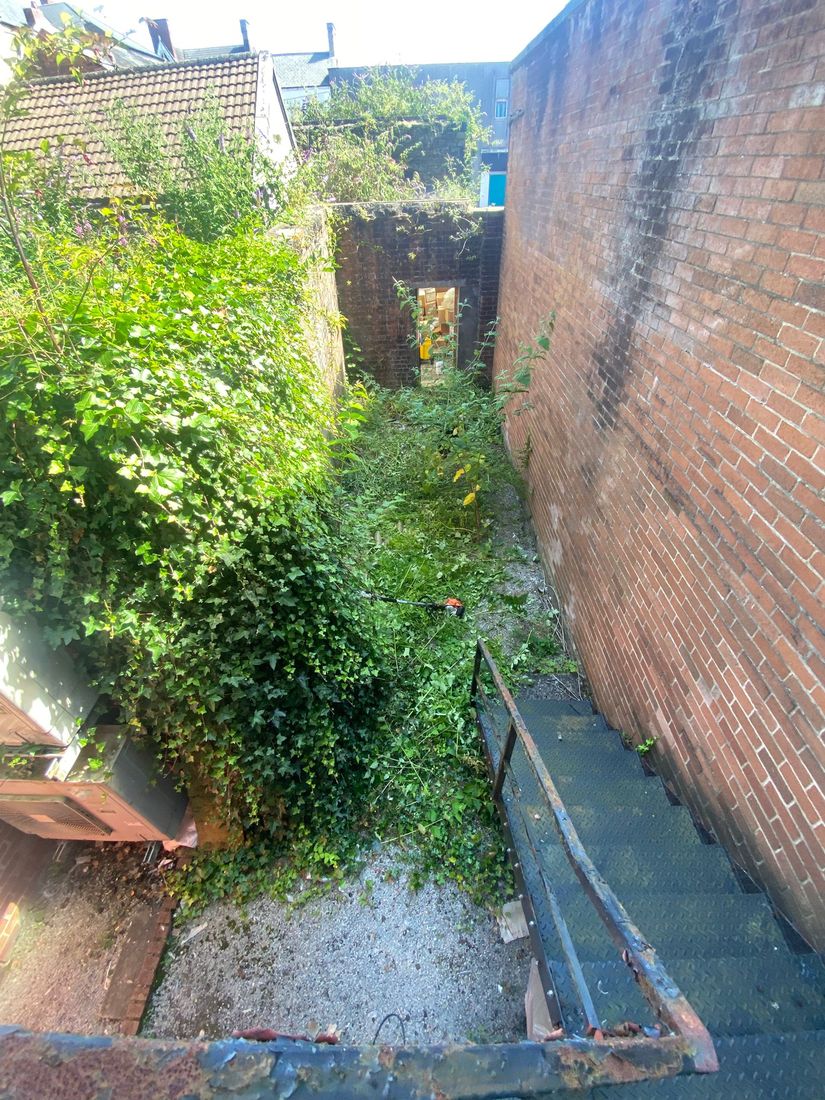
Access is one of the biggest factors in South Wales. A back garden reached only through a terraced house, or along a narrow shared lane, means every load is carried by hand to the vehicle. Steep valley gardens with steps and retaining walls are slower and more tiring than flat, open plots with a side gate.
Parking close by helps, as does a clear route for barrows. If your garden is on a slope or at the top of a long path, tell us when you ask for a quotation so that the job is planned realistically from the start. That small detail can change how long a visit takes. Narrow lanes and tight turns are worth mentioning.
Green waste, soil, rubble, timber and general rubbish are all handled differently, and taking them away responsibly has a real cost of its own. Heavy materials such as soil, concrete and stone add weight and extra trips. Mixed rubbish takes time to sort. A garden with a few bags of cuttings is a very different job from one with a skip's worth of old furniture, carpet and broken fencing.
Anything that must be disposed of through a licensed route is part of the work, and you should ask any firm how it deals with waste. We take rubbish away and leave the garden tidy. Sorting waste properly keeps the job responsible and avoids problems later. Rubbish left behind or dumped carelessly causes problems for everyone.
Sorting out what you want to keep makes a surprising difference. Mark any plants you wish to save, move personal items out of the way, and let us know about anything valuable or sentimental before work begins. Clearing small things yourself, such as loose toys, pots and furniture, can shorten the visit, though there is no need to prepare everything in advance.
Be cautious about hazards. Do not lift heavy slabs alone, avoid handling anything that looks like roofing sheets of unknown type, and keep well clear of overhead wires. If you are unsure what something is, leave it where it is and tell us. Safety comes before speed on every clearance. If something looks unstable, such as a leaning shed or a wall, keep away from it.
A clearance is usually the first step towards something else: a new lawn, a patio, fencing, artificial grass or simply a garden you can use again. It is worth deciding the next step early, because it affects how the ground should be left. Level ground for a patio or artificial lawn needs different preparation from a border that will be replanted.
Landlords and sellers often want a clean, neat finish for viewings or new tenants. Tell us the purpose and the deadline, and we will plan the work around it. A short, clear brief makes the quotation more accurate. Tell us too if the garden is going to be reseeded or landscaped soon, because it changes how we leave the soil.
The dependable way to know the cost is for us to look at the garden. We offer a free quotation after seeing the size, the access, the waste and anything awkward, and we will explain clearly what is included so that you can compare like with like if you are asking several firms. Please do ask us any questions about the process.
Photographs are a useful starting point, but a visit avoids surprises. If you have deadlines, such as a house sale or a tenant moving in, mention them early so we can fit the work in sensibly and agree a realistic finish date. It is also worth telling us if anything is likely to be sensitive, such as plants a neighbour shares.
We will visit, tell you honestly what is needed and give you a free, no-obligation quotation.
The amount of material, how dense the growth is, how easily we can reach the garden and how much waste has to be carried away and disposed of. Heavy items such as soil, concrete and old sheds add time and extra loads.
Not always. Once we have agreed the job and you have shown us what stays and what goes, we can often work without you there, provided we have safe access. Tell us about any plants or items you want kept beforehand. Access to the garden is the main thing we need.
Yes, though the work is slower because everything is carried by hand to the vehicle. Terraced houses and valley gardens often have exactly this problem, so it is one of the first things we look at when we visit and plan the job. Please mention the width of any gate or passage.
We remove green waste, rubbish, old fencing and other garden items and leave the area tidy. Some materials, such as suspected hazardous sheeting, are not something we would handle in the normal way, so please tell us if you find anything unusual. We are happy to explain exactly what is covered before you decide.
A gravel garden can cut mowing and weeding, but only if the ground is cleared and prepared properly first, and the planning matters more than the stones.
Read the guide →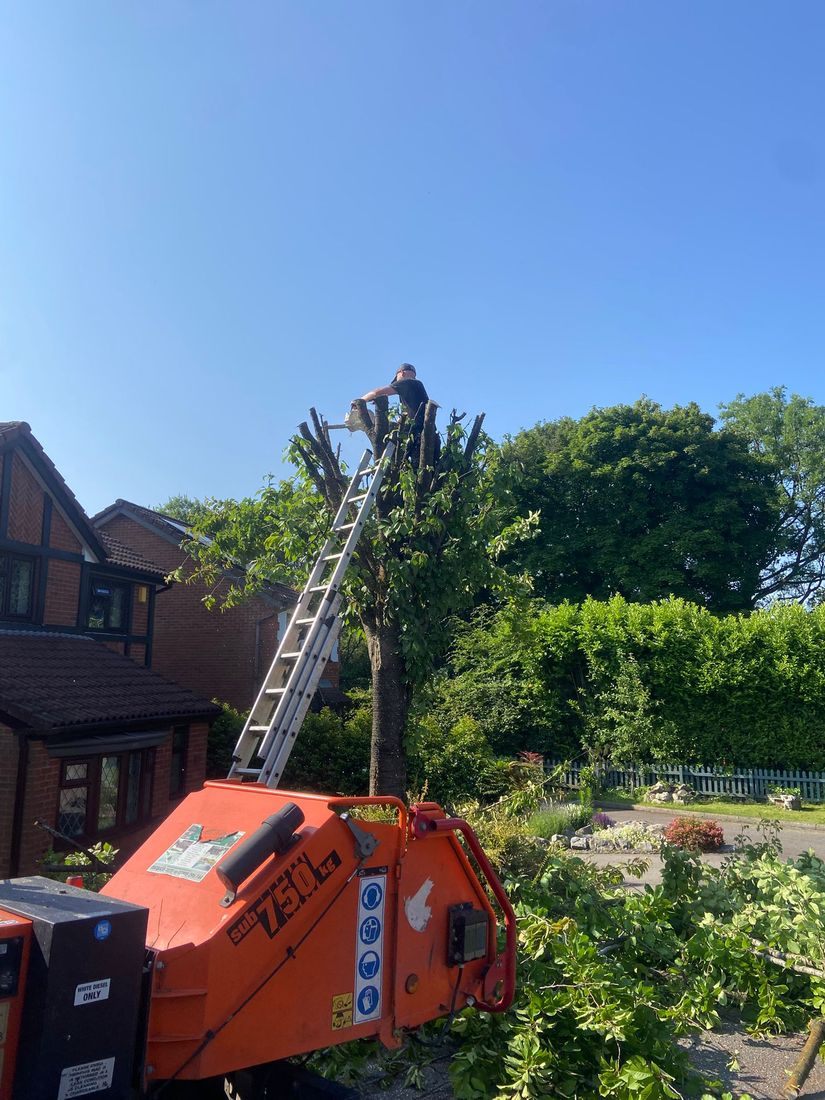
Tree surgery is priced job by job rather than from a fixed list, so this guide explains what moves the cost up or down and how to get a firm figure.
Read the guide →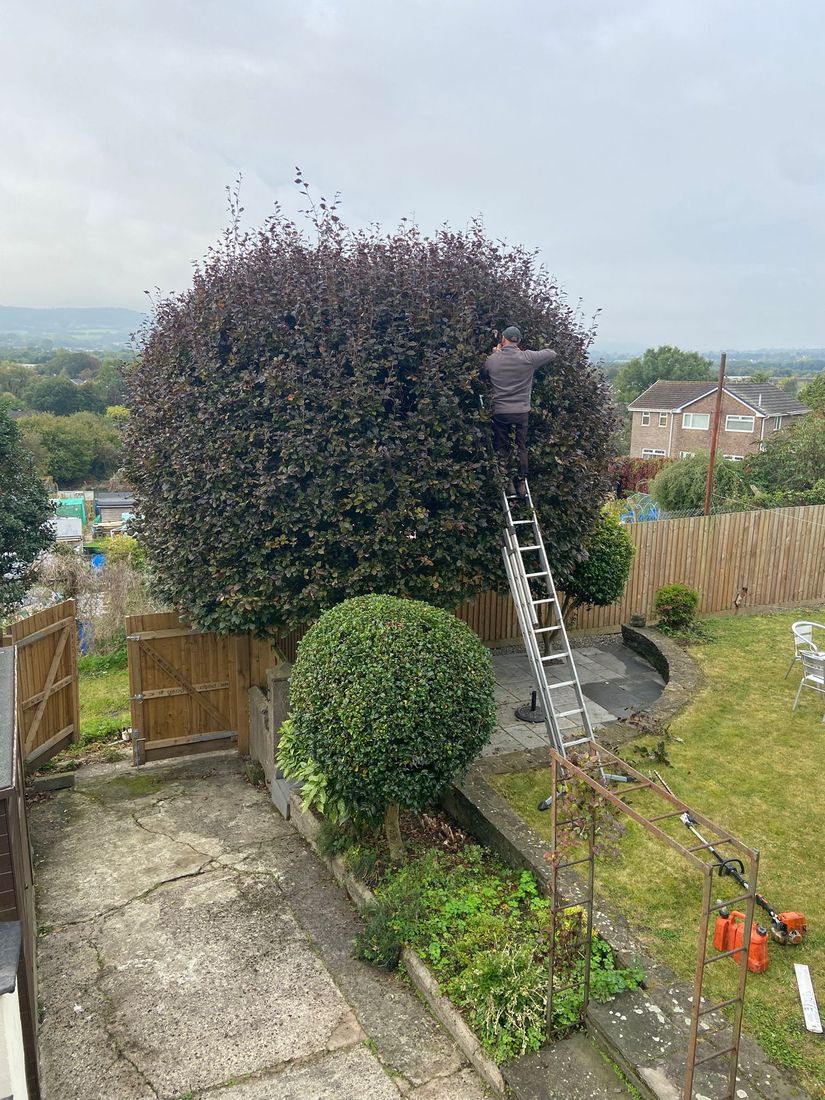
There is no single perfect month for every tree, but winter suits many species, and this guide shows how timing, nesting birds and weather affect the choice.
Read the guide →Tell us what needs doing and where. We will come back to you, or call 07766 919630 if it is urgent.