
Artificial grass suits small, shady or well-used gardens that are tiresome to mow, provided it is laid on a properly prepared, well-drained base.
Artificial grass divides opinion. Some people love a lawn that stays green and tidy all year with no mowing, while others miss the feel and life of real turf. Neither view is wrong. It comes down to how you use your garden, how much time you want to spend on it and what the space is like. This guide sets out the benefits and the drawbacks honestly, so you can decide whether it is worth it for your own garden rather than being talked into it by a glossy brochure or a persuasive neighbour.
Artificial grass earns its place in gardens where real grass struggles. Small town gardens with heavy use, shaded back yards where lawns turn patchy and mossy, and sloping plots that are awkward to mow are all good candidates. Play areas also benefit from a clean, even surface that dries quickly. It also suits people who are busy, older, or simply do not enjoy garden chores. A lawn that needs only occasional brushing and the odd rinse can make the whole garden feel easier to look after, and easier to enjoy.
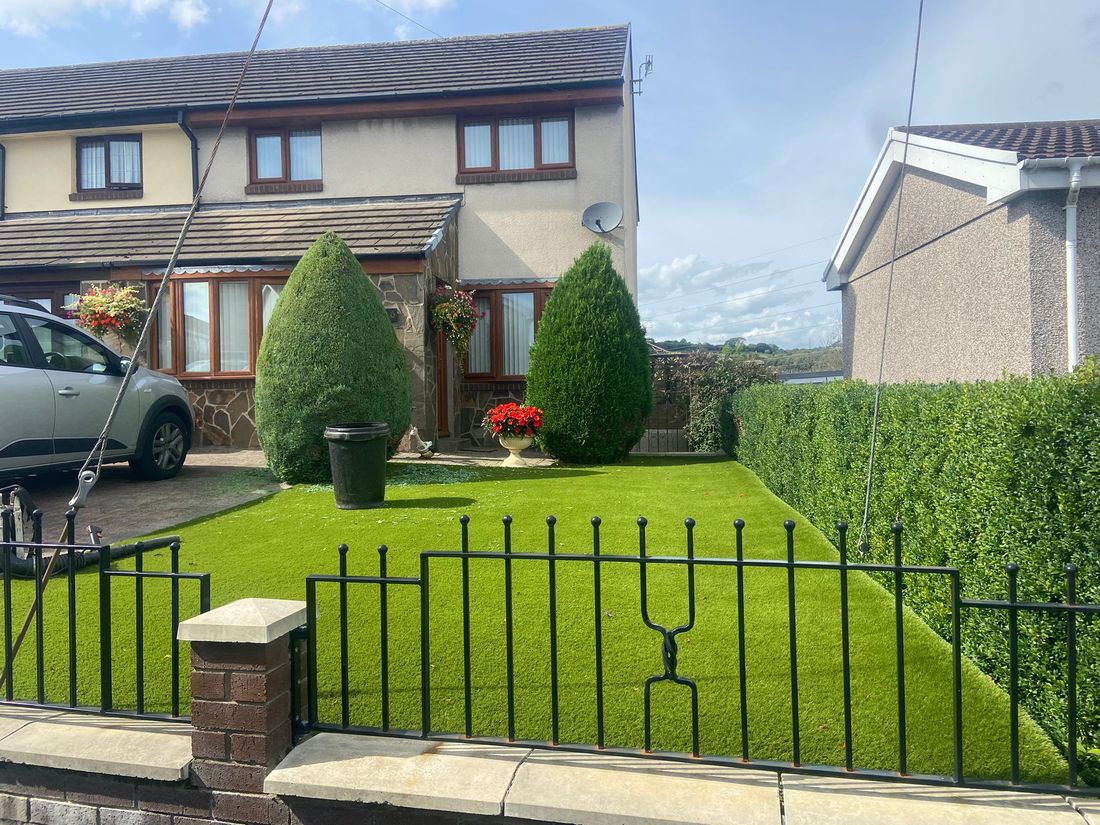
It is not a natural habitat. Real lawns support insects and soil life, and artificial grass does not. It can also get warm in strong sun, and lower-grade products can look shiny or flat. Choosing a good quality product with a natural-looking blend of colours and pile makes a visible difference. It is also a long-term decision, and removing it later is more work than re-turfing. Think about whether you may want planting beds, a vegetable plot or a different layout in future before you commit to covering the whole lawn.
Rain is a fact of life in South Wales, and drainage decides whether artificial grass is a success. The surface itself lets water through, but it needs a free-draining base underneath. On heavy clay or low-lying ground, standing water can build up unless the sub-base is designed to cope. That is why preparation matters. We remove old turf, build a compacted sub-base, shape it with a slight fall where needed and only then lay the grass. Cutting corners at this stage is what leads to puddles, dips and unhappy owners later on.
Most of a good installation is hidden. After clearing the area, we lay and compact the base, fit firm edging, add a weed membrane, then roll out, trim and fix the grass before brushing in the fibres. A well-prepared base keeps the surface flat and stable underfoot through every season. Trees nearby are worth mentioning. Roots, overhanging branches and leaf fall all affect how the lawn is prepared and cared for, and we can prune or cut back growth where it makes sense, so the new surface is not smothered in leaves.
Upkeep is light but not zero. Brush the pile occasionally, remove leaves and debris, and rinse off pet mess and spills. Moss and algae can still appear in damp, shaded corners, and are easily dealt with by brushing and washing during dry spells. Avoid hot items, such as barbecues, placed directly on the surface, and take care with sharp tools. Gentle, regular care helps the lawn keep its colour and shape for as long as possible.
Ask yourself how you use the garden, what the ground is like and how much work you want to do. If you are still unsure, visiting a neighbour's lawn or looking at samples in your own light can help you picture the result and judge whether you like it. The cost depends on area, ground conditions, access, old turf removal and edging. For a clear figure, ask us for a free quotation. We will see the garden, discuss the options and explain exactly what the job involves.
We will visit, tell you honestly what is needed and give you a free, no-obligation quotation.
The surface lets water through, but it must sit on a free-draining, compacted base. On clay or low-lying ground, the base needs extra care and thought. With proper preparation, wet weather is not a problem and the lawn dries quickly. We are happy to explain more when we visit.
Yes, shade is one of its strengths, since it stays green where real grass turns thin and mossy. Damp shaded corners can still grow algae on the surface, so occasional brushing and rinsing will keep it fresh. We are happy to explain more when we visit.
It is commonly used in play areas and in gardens with pets. Rinse it regularly, remove waste quickly and check that the product you choose is suited to the way you will use it. We can talk through the options when we visit.
Better products have varied tones and a natural pile, and a skilled installation hides seams and edges. Seeing samples outdoors in your own light is the surest way to judge whether you like the look before you commit. We are happy to explain more when we visit.
How long artificial grass lasts depends on the product, the base beneath it, how heavily it is used and how well it is looked after.
Read the guide →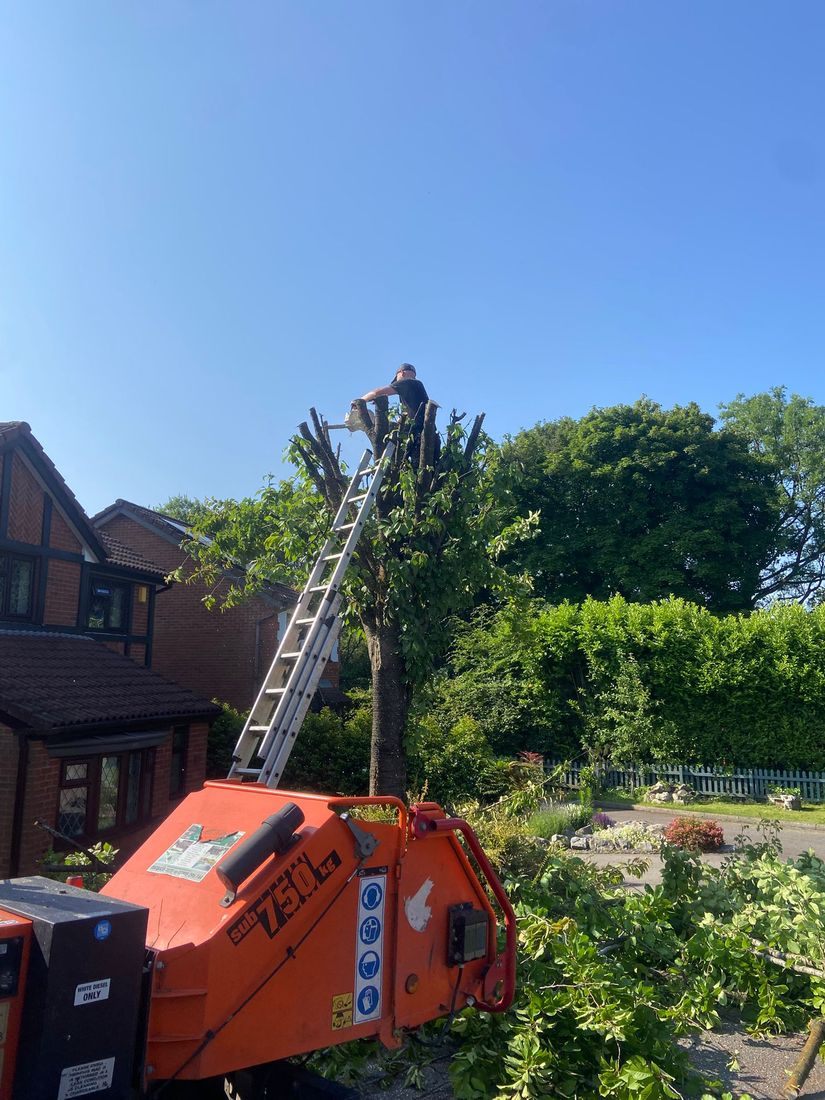
Tree surgery is priced job by job rather than from a fixed list, so this guide explains what moves the cost up or down and how to get a firm figure.
Read the guide →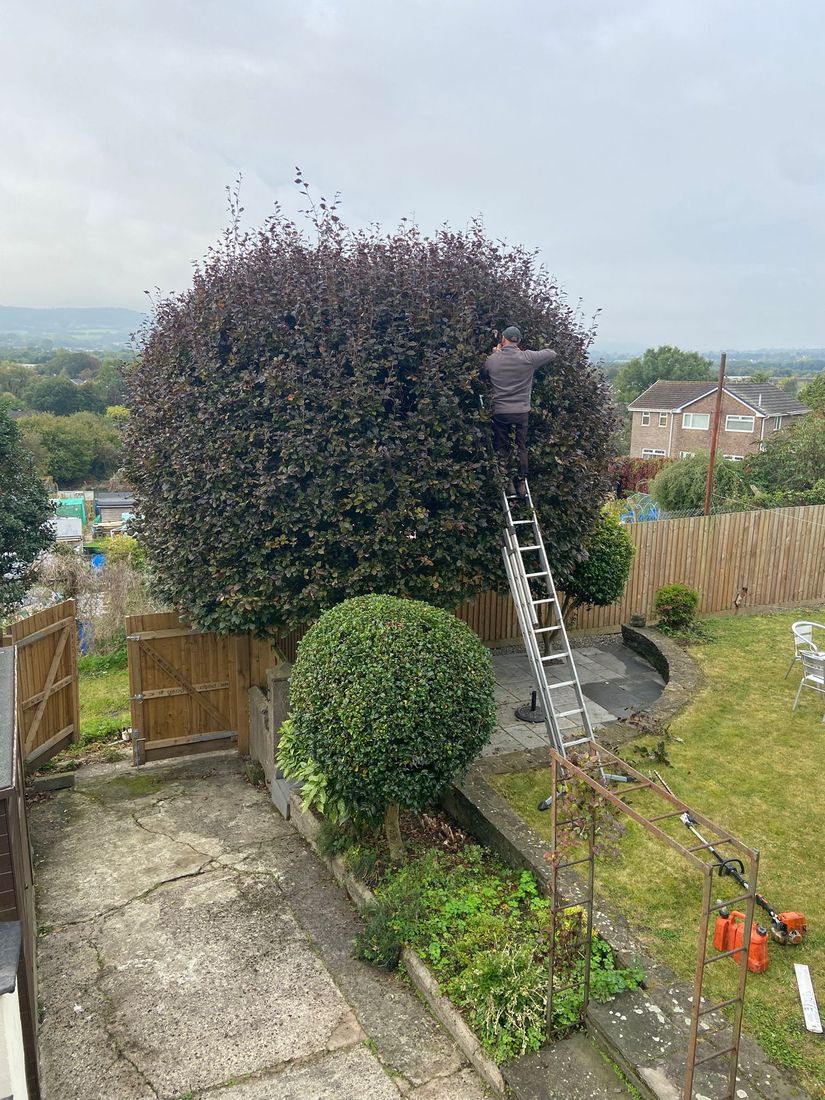
There is no single perfect month for every tree, but winter suits many species, and this guide shows how timing, nesting birds and weather affect the choice.
Read the guide →Tell us what needs doing and where. We will come back to you, or call 07766 919630 if it is urgent.