
How long artificial grass lasts depends on the product, the base beneath it, how heavily it is used and how well it is looked after.
People often ask for a number of years, but any figure would be a guess. Artificial grass varies greatly in quality, and gardens vary even more. A lightly used lawn in a sheltered garden will wear differently from a play area used every day or a sunny patch with heavy furniture on it. What we can say is what shapes its lifespan, and what you can do to help it look good for as long as possible. The factors are mostly within your control, and the biggest ones are decided on the day it is installed.
The grass itself is the first factor. Better products use denser, more resilient fibres, a stronger backing and good colour stability, so they hold their shape and tone. Thinner or lower-grade grass tends to flatten, fade or show wear sooner, especially in busy areas of the garden. Look at samples carefully, bend them, feel the backing and ask about the pile and fibres. A product that looks fine on a sample board may behave differently after seasons of use in a damp Welsh garden, so choose with the long term in mind.
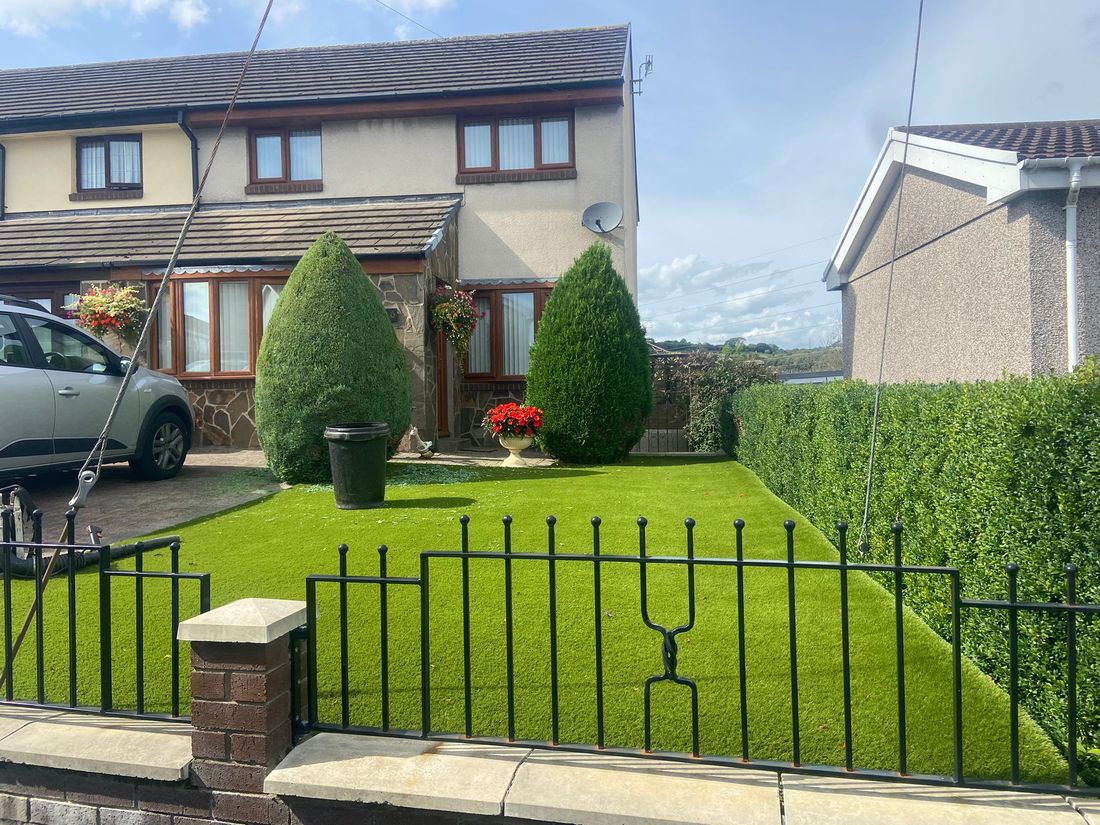
Many problems blamed on the grass are really base problems. If the sub-base was thin or poorly compacted, the surface will dip, ripple or hold puddles. Ground movement, tree roots and weeds pushing up from below can also spoil the finish and shorten its useful life. A proper installation removes the old turf, builds a compacted, free-draining base, fits firm edging and a weed membrane, and fixes the grass securely at the edges. That preparation is where much of the long-term performance comes from.
Heavy footfall in the same spot, such as a path to the shed or a goalmouth, compresses the fibres. Furniture legs, trampolines and heavy planters can leave dents. Spreading use around, moving items from time to time and using protective feet or mats helps the pile recover. Pets are fine on artificial grass if waste is cleared promptly and the surface is rinsed. Barbecues and hot items placed straight on the surface can melt or mark the fibres, so always use a stand or keep them on a paved area.
Strong sunlight can gradually fade colour and soften some fibres, while damp shaded areas encourage algae and moss on the surface. South Wales has plenty of rain and mild winters, which suit moss, so regular brushing and rinsing keeps the lawn clean and fresh. Wind rarely troubles a well-fixed lawn, but loose edges can lift. Checking the edges and seams once in a while, especially after storms, catches small problems before they spread and become bigger repairs.
Simple habits make the biggest difference. Brush the pile against its lean to keep it upright, remove leaves and debris so they do not rot and feed weeds, and rinse off spills and pet mess. In shaded or damp spots, a gentle scrub with a treatment suitable for artificial surfaces may help. Avoid sharp tools, strong chemicals and wire brushes. If a seam or edge lifts, deal with it quickly, because water and wind will make it worse. We can repair small areas and re-fix edges for you.
If you are thinking of installing artificial grass, ask about the product, the base and how it will be fixed, not only the look. If you already have a lawn that is showing its age, we can inspect it and tell you honestly whether repair or replacement makes sense. Ask us for a free quotation and we will see the garden, explain the options plainly and describe what the job would involve, from preparation to the final brushing, so that nothing comes as a surprise.
We will visit, tell you honestly what is needed and give you a free, no-obligation quotation.
Low-grade fibres, a poorly prepared base, heavy use in one spot, hot items, strong sun and neglect. Most of these can be limited by choosing a good product, installing it properly and keeping the surface brushed and clean throughout the year. We are happy to explain more when we visit.
Some fading from sunlight is normal over the seasons, and quality varies between products. Better grass is made to hold its colour. Shade, rain and regular cleaning keep it looking fresher for longer, so it is worth caring for gently. We are happy to explain more when we visit.
Often, yes. Small damaged areas, lifted seams and loose edges can usually be repaired or re-fixed without replacing the whole lawn. If the base has sunk, it may need to be lifted and rebuilt, which we would check on a visit. We are happy to explain more when we visit.
Brush it regularly, clear leaves and mess, avoid placing hot items on it, spread heavy use around and check the edges after storms. Starting with a good product and a well-built base matters most of all, and everything else follows. We are happy to explain more when we visit.
Artificial grass suits small, shady or well-used gardens that are tiresome to mow, provided it is laid on a properly prepared, well-drained base.
Read the guide →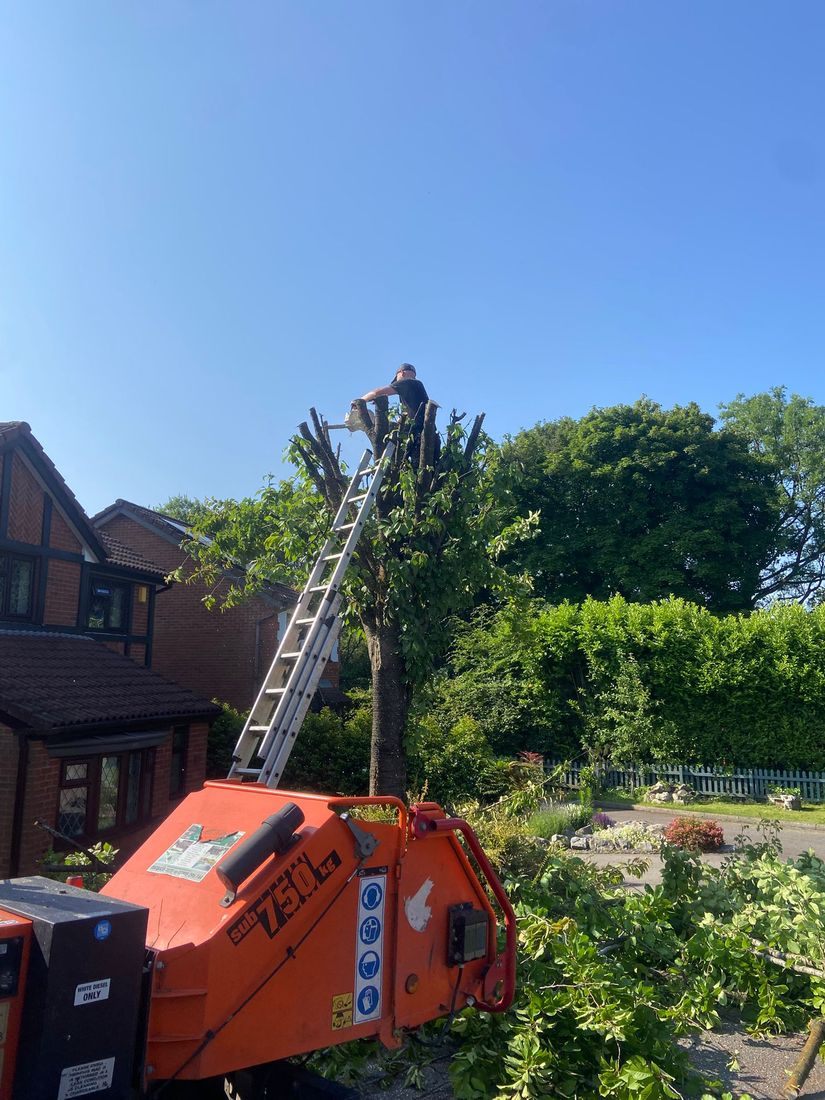
Tree surgery is priced job by job rather than from a fixed list, so this guide explains what moves the cost up or down and how to get a firm figure.
Read the guide →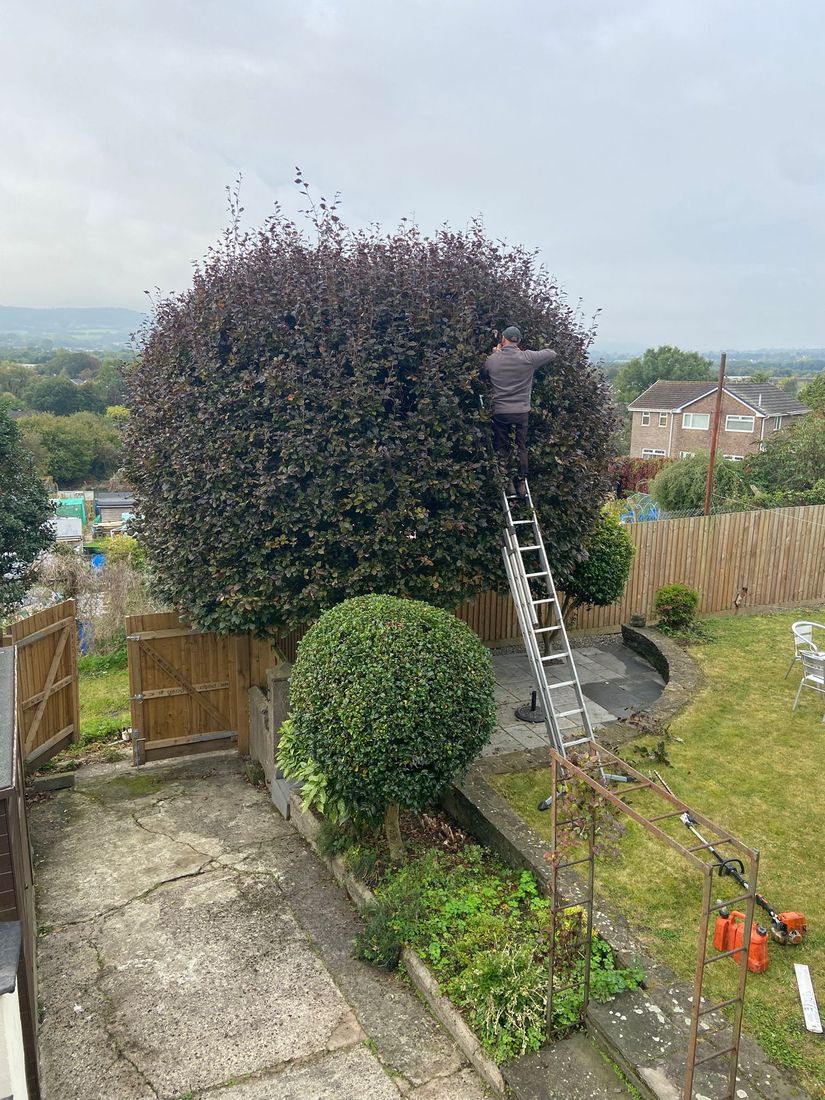
There is no single perfect month for every tree, but winter suits many species, and this guide shows how timing, nesting birds and weather affect the choice.
Read the guide →Tell us what needs doing and where. We will come back to you, or call 07766 919630 if it is urgent.