
Most South Wales patios need a proper clean about once a year, though shade, damp and nearby trees can mean more often or a little less.
For most gardens, one thorough pressure wash a year keeps a patio looking sound and stops algae and moss taking hold. South Wales is mild and wet for much of the year, so paving stays damp for long periods, and that is exactly what green growth likes. A patio in full sun with a clear sky above may stay clean for well over a year. One tucked under a wall or a tree may look tired again within months. Use the surface itself as your guide rather than the calendar.
Patios do not all age at the same rate. Shade is the biggest factor, followed by drainage and what is growing overhead. Valley gardens that sit in the shadow of the hillside often stay damp well into spring, and coastal gardens collect salt and grit on the wind. Fallen leaves left sitting on the slabs stain them and feed the algae underneath.
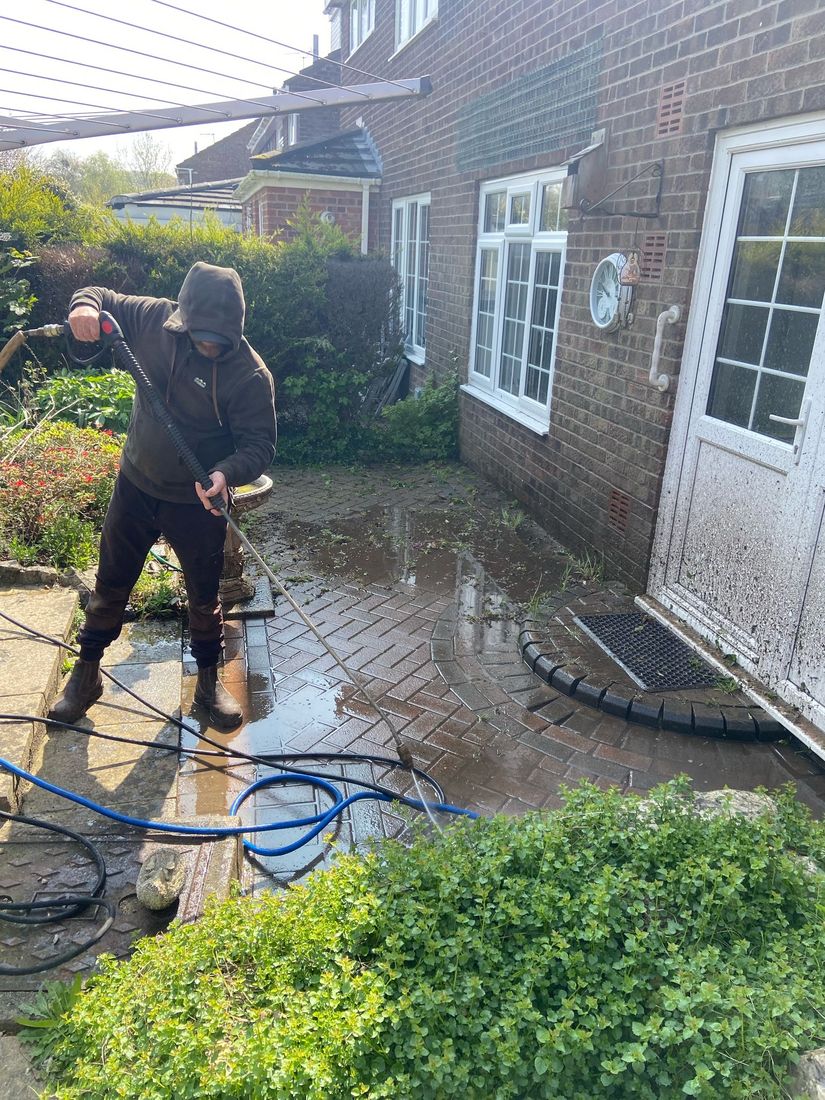
You rarely need to guess. A green or black film, a slippery feel underfoot after rain, dark patches in the joints and moss creeping along the edges all mean the surface is ready for a wash. Slipperiness matters most, because wet algae on slabs and steps is a real trip hazard, especially for older relatives and children. If you notice that puddles linger longer than they used to, check that the joints and surface are not clogged with growth.
A light clean each year is easier on the paving than a heavy blast every five years. Heavily built-up growth takes more time and more pressure to lift, and the longer it sits, the more it can stain porous slabs. Regular cleaning also lets you spot loose joints, sunken slabs and cracked edges early. Many people book a wash in spring, once the worst of winter is over, so the patio is ready for the first warm weekends.
A few small habits stretch the time between professional cleans. None of them involve ladders or anything risky, and they cost very little effort. Aim to do them little and often rather than in one big session, and pay most attention to the shadiest corners, where growth starts first and spreads outwards across the slabs.
Pressure washing looks simple, but the wrong pressure or nozzle can scar soft sandstone, blast the sand from between the joints and send grime up the house wall or across a neighbour's fence. We match the pressure to the stone, protect plants, doors and drains, and leave the area tidy. Once the paving is clean and dry, it can also be re-sanded and sealed if you want to slow regrowth and keep the colour fresh.
If your patio has not been touched for several years, expect it to need a little more time, and possibly a repeat visit for stubborn staining. Tell us the size of the area, the type of paving, how much shade it gets and whether there are steps or awkward corners. Those details drive the time and effort involved, and a free quotation after seeing the job is the reliable way to know what is needed.
We will visit, tell you honestly what is needed and give you a free, no-obligation quotation.
It can if the pressure is too high or the nozzle too close, particularly on soft sandstone, older slabs and weak pointing. A trained operator adjusts pressure to suit the stone and tests a small area first. If your paving is old or crumbly, say so when you ask for a quotation.
Spring and early autumn both work well. Spring clears winter growth before you start using the garden, and autumn removes summer dirt before the damp months. Avoid frosty days, as water left on the surface can freeze and make the patio slippery.
Yes, eventually, particularly in shade. Cleaning removes what is there but does not stop spores landing again. Sweeping regularly, trimming overhanging growth, keeping drainage clear and sealing the surface after cleaning can all slow it down, though some regrowth in damp areas is normal.
Usually not, as long as we can reach the patio and have access to an outside tap. Please tell us about anything fragile, such as loose pots or garden furniture, and how to deal with side gates. We will protect plants, doors and drains as we go.
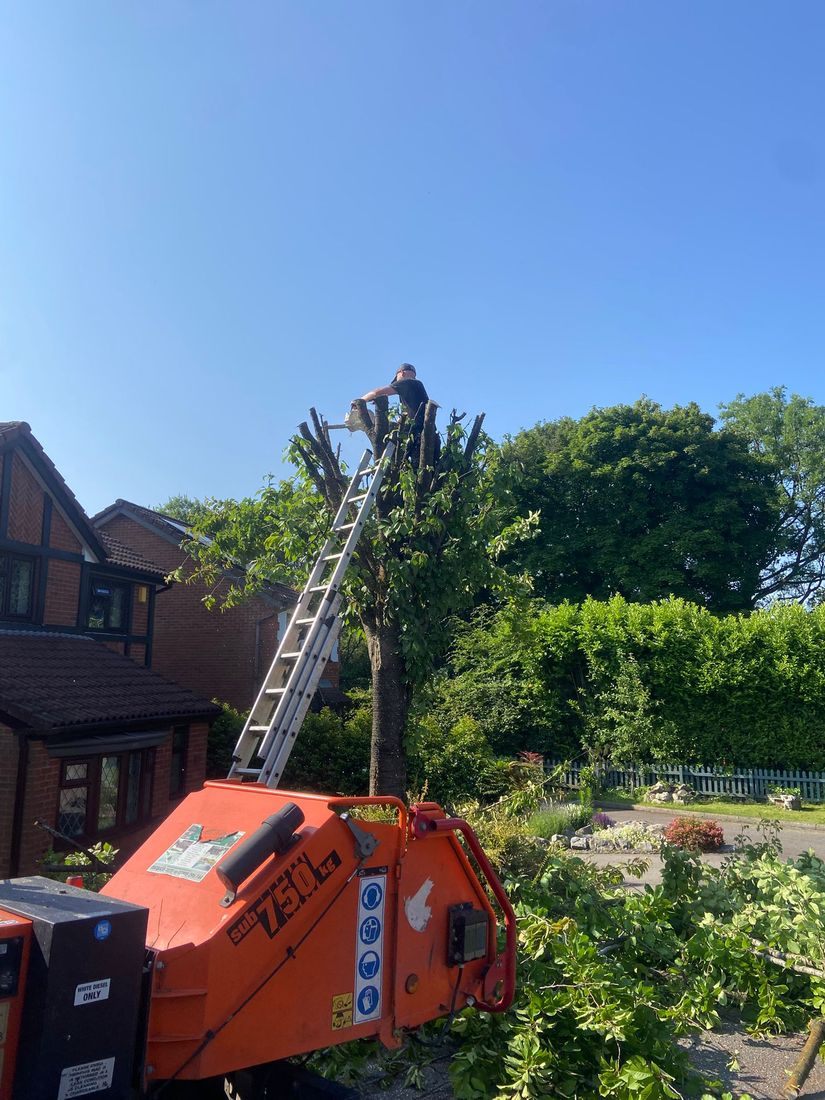
Tree surgery is priced job by job rather than from a fixed list, so this guide explains what moves the cost up or down and how to get a firm figure.
Read the guide →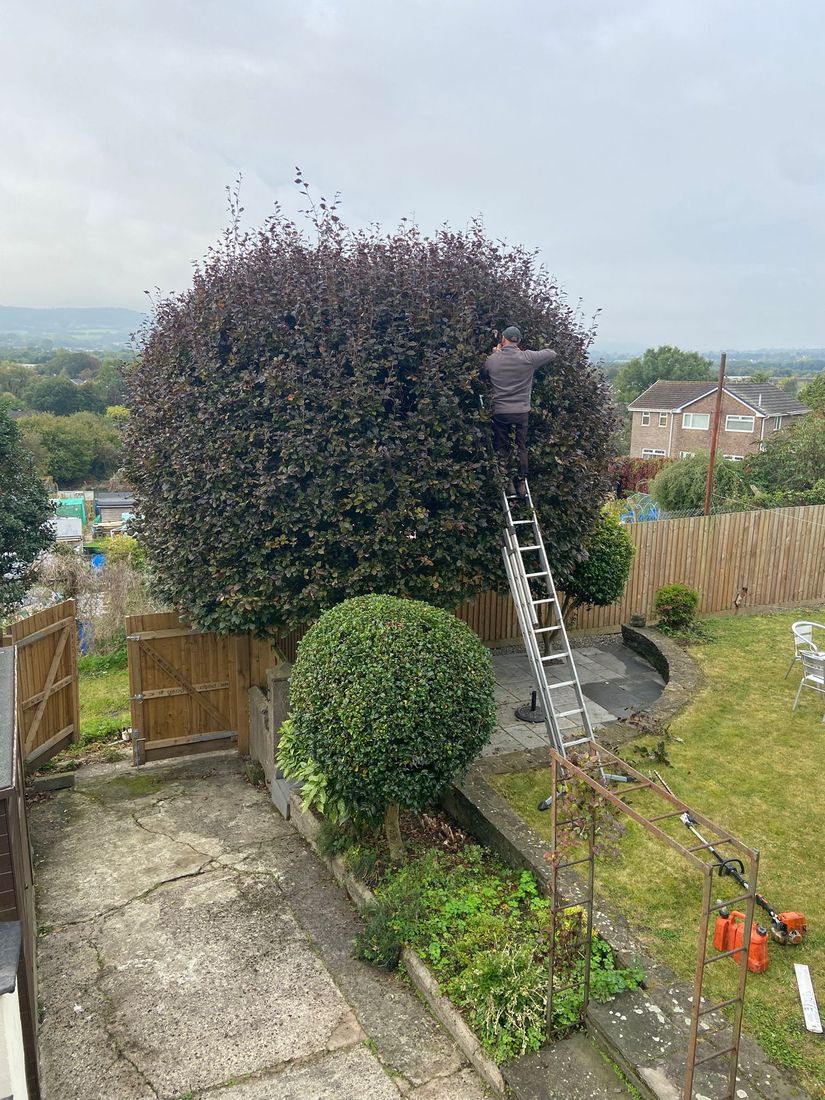
There is no single perfect month for every tree, but winter suits many species, and this guide shows how timing, nesting birds and weather affect the choice.
Read the guide →Most trees are perfectly safe, but certain signs suggest a tree is weakened, and knowing what to look for helps you act before something falls.
Read the guide →Tell us what needs doing and where. We will come back to you, or call 07766 919630 if it is urgent.